Season 7
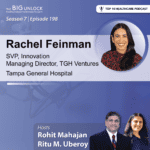
In this episode, Rachel Feinman, SVP of Innovation and Managing Director, TGH Ventures at Tampa General Hospital, shares how the organization is breaking out of “pilot purgatory” to turn digital innovation into measurable impact. With a clear mandate to move beyond endless experimentation, the focus is on starting with a strong thesis, partnering intentionally, and scaling quickly when results are proven.
Rachel reflects on her journey from law to healthcare, bringing a unique lens on strategy, execution, and deal-making. She highlights the balance healthcare must strike that is moving fast in operational and administrative workflows while taking a deliberate, governance-led approach to clinical innovation. This “go slow to go fast” mindset enables both safety and speed.
She also underscores the growing role of AI in improving logistics, supporting care teams, and unlocking real-time insights, while emphasizing responsible deployment. Beyond technology, the real opportunity lies in connecting fragmented care journeys and extending care beyond hospital walls to create a more seamless, patient-centered experience. Through strategic investments and a focus on outcomes, Tampa General is building an innovation model designed to scale impact, not just ideas. Take a listen.
About Our Guest
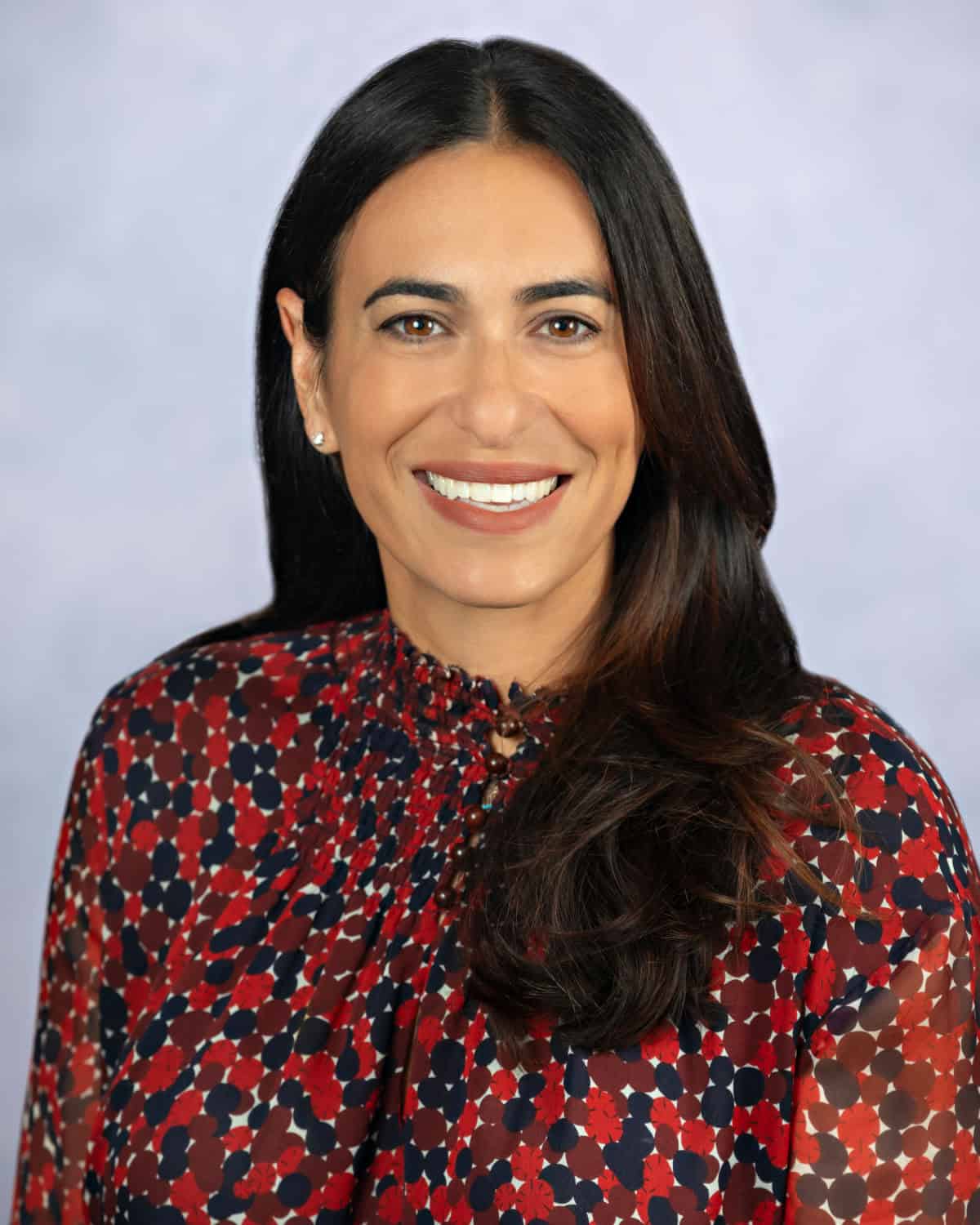
Rachel Feinman is the Senior Vice President of Innovation, Ventures and Digital Solutions at Tampa General Hospital and the Managing Director of TGH Ventures, the innovation, investment and commercialization arm of the Tampa General Hospital system. In her role, Rachel leads innovation at TGH, including strategic partnerships focused on driving value creation for the system. Rachel also oversees the organization’s venture investment strategy, managing a portfolio of early-to-growth stage startups and sourcing additional opportunities.
Rachel has a passion for influencing strategy and driving the action that enables impactful innovation to truly transform the delivery of healthcare. She also enjoys working with and mentoring early-stage startups and emerging entrepreneurs, most recently having served as the Executive Director of the Florida-Israel Business Accelerator, an organization focused on helping high impact Israeli startups penetrate the U.S. healthcare market. Rachel is a fully recovered business attorney with a long career advising clients raising from private investment funds to startups to large corporate organizations. As an attorney, Rachel specialized in business transactions of all kinds, with a specialization in private equity and venture capital transactions, as well as intellectual property protection and technology licensing deals. Rachel also has varied philanthropic interests, serving on non-profit boards like the Gasparilla International Film Festival and the Florida Venture Forum. Rachel lives in Tampa with her husband Josh and her two sons, Asher and Ezra, as well as her stepson, Brooks. She enjoys traveling with her family, having quiet time at the beach and watching her sons play baseball.
Recent Episodes
Ritu: Hi everyone. Welcome to The Big Unlock podcast, and today we are really happy to have with us Rachel Feinman, a leader at Tampa General Hospital who’s helping shape the future of digital health innovation. She works at the intersection of clinical operations, digital transformation, and emerging technologies such as AI. And she brings a thoughtful perspective on how health systems can move from technology experimentation to real operational impact. And like we were talking about at HIMSS, get out of pilot purgatory. So really looking forward to having Rachel with us here today. And welcome to all our listeners. My name is Ritu Roy. I am the co-host of The Big Unlock podcast along with Rohit. I’ll ask Rohit to quickly introduce himself, and then it’s all yours, Rachel. Thank you for joining us today.
Rohit: Thank you, Rachel, and thank you, Ritu. I’m Rohit Mahajan. I’m the co-host of The Big Unlock Podcast along with Ritu and also the CEO at BigRio. So, super excited to have this conversation. And over to you, Rachel.
Rachel: Thank you so much for having me. I’m excited to be here to talk to you guys today. It’s funny, Ritu, you started talking about pilot purgatory, and at TGH we don’t do pilots. It was a mandate from our CEO, John Couris, after a lot of frustration with the fact that a lot of pilots are akin to a slow no, or an inability to show alignment or drive results. And so some of it’s a little bit tongue in cheek, I think, in terms of naming it a pilot versus something else, because of course we don’t just initiate everything at scale right away. Yeah. But the concept is we’re not going to be in the business of endless pilots. What we’re going to do is we’re going to start with a thesis. We’re going to identify a partner, a solution, start in a place where we think we can drive results, measure those results, and then if it works and it’s driving the results that we are anticipating and wanting to see, then we’re going to scale it quickly. We’re not going to stay in that purgatory that you were talking about. So I think it’s really important from a system perspective for us to think like that. Think about trying things, scaling quickly, driving impact, and really why we’re doing what we do. And it’s about impact.
Ritu: No, that’s great. Thank you, Rachel. I think the listeners would be really interested to hear your origin story because you have a very unusual background with law, and then you pivoted to healthcare. So we would love to hear how you got where you are and what it is that you really love doing about your job, and specifically about innovation.
Rachel: Sure. Yeah. This is something I love talking about because I think there are plenty of people who find themselves professionally feeling stuck or maybe feeling like they went down a path and they weren’t necessarily using all of the skills that they have, or experiencing kind of professional joy in what they’re doing, and that was really the case for me when I was practicing law. There’s so much about it that I like. I loved the people I worked with. I loved serving clients and helping them solve problems, something that I still do today, but there were a lot of aspects of it that I didn’t enjoy. Really, as an M&A and business lawyer, I always felt like the conversation with the lawyer ended right at the good parts. It was kind of like, just as they started talking about or thinking about strategy and solving operational challenges, I was like, okay, we’re charging by the minute — or, we’re getting charged by the minute — so we’re going to hang up with you now and go draft that document we talked about. For me, it was just that feeling like I was always being excused from the party right as the good parts were starting, and then realizing and connecting the fact that as a partner within a law firm, I was actually driving the strategy and some operational decisions within our law firm. But I wanted to do that as my full-time job. And at that time I was really engaged with startups in the startup ecosystem and here in Tampa. We’re really kind of part of that rise-of-the-rest mentality that I think took shape in the last decade or two, where innovation and startups can exist and be supported in places outside of Boston, New York, and Silicon Valley. So I guess it was probably 10 or so years ago, I started advising a number of startups, doing a lot of volunteering, and that led me to my first role outside of law, which was to stand up an accelerator program focused on Israeli companies that were looking to soft-land in Florida. And one of the verticals that we ultimately focused on was healthcare. And I was just fascinated by the challenges of building a health tech startup or a med device startup and selling into health systems like the one I currently work for. And so helping those startups was great, but I really felt limited in the ability to help them from the outside. And so I had the opportunity at the time — I’m a builder, I like building new things — and this was at the same time that our CEO had the vision to create an innovation and a venture function within Tampa General. So because I had gotten to know him, I somehow convinced him — I’m so happy I did that — that I could help stand up what’s now TGH Ventures and translate his vision into practice and build a team around all of it. And it’s just been so much fun. This industry that we’re in is plagued, fortunately or unfortunately, with endless challenges. It’s also an industry that touches every one of us as a patient or a family member. And so the opportunity to really dive in and solve challenges in an industry that I know touches everyone is really impactful. So I have fun every day.
Ritu: That’s an amazing origin story, and we are so happy you kind of combined all your skills. I think the lawyer path came in very handy when you were convincing, right? You have those skills to work.
Rachel: Yeah. I like to say I’m not officially a lawyer in my job, but I get to play one on a very frequent basis because we’re negotiating deals regularly with partners that we work with, and of course when we make our investments. So it definitely still comes in handy.
Ritu: Great. So Rachel, I would like to circle a little bit back to the pilots again because we were talking to somebody else and they made a very good point that with all these new innovations, especially with AI coming out, sometimes the mentality is, okay, fail fast and innovate. But in healthcare you’re like zero risk and you really have to look at the safety aspects of it, which leads to a very bipolar situation because these two things are so much at odds. And you talked about how at Tampa you’re not doing pilots and you really look for that scaling. So how do you kind of resolve or make those two meet in the middle? We would love to know.
Rachel: Yeah, that’s a great question, and I think you hit on the reason why, as an industry, we have in the past not moved as quickly. I mean, there are good reasons for it, right? When you’re talking about patient care and safety, and oftentimes the potential for medical errors and things that can have a really significant impact, of course you need to be incredibly safe and focus in on that. Fails around safety are not okay. Right? So when we talk about failing fast, which we do often, it’s really around the fact that there’s so much opportunity to improve the system and the logistics and the administrative and operational aspects of what we do even before you get to the idea of patient care or clinical care. So that’s not to say that there are not opportunities to innovate around that, and we do, and we touch aspects of clinical care, but I think that there absolutely are opportunities to recognize challenges and move fast as it relates to — I always think about it like we’re one giant logistics company, right? When we’re coordinating care of patients, whether it’s within the walls of a hospital or it is in that connective tissue between transactional visits for patients, there’s tons of opportunity for us to look at new care delivery models and new ways of leveraging technology to make scheduling more efficient. So I think moving fast in those areas, looking at what works, seeing successes, and then scaling those is absolutely doable. And then when it comes to aspects of safety and patient care, I always like to say the old expression: go slow to go fast. So in those instances, you start at the outset with the right governance, the right people around the table, but with the end goal of going fast in mind. And then I think you can get yourself out of those cycles of admiring things and getting hung up on what-ifs and what if this happened or that happened. Get all the right people around the table, go slow in the beginning to set the right guardrails to ensure safety. And then move fast to see if something is actually going to work and make a difference.
Rohit: I was thinking about the wonderful experience I had, Rachel, at the NEXT Summit, which was a very good learning experience and very energizing. Thank you for inviting us over there. Would you like to tell us more about what’s next for next year? And also, the report was crowdsourced, so I’m sure the audience would love to hear how that was done as well.
Rachel: Yeah, sure. I’d love to share a little bit about that. So this was our very first year putting on our NEXT Summit, and really we settled on calling it NEXT because we’re focused on driving what’s next in our industry, really around innovating the business aspects of healthcare. And so we brought together around 300 attendees, made up of leaders from within our organization, investors, other health system executives, politicians, payers, folks who are involved in retail healthcare, and academia. So we had a very robust and varied audience coming together across two days to talk about and hear: what can we do? Our goal was to really be solution-oriented. A lot of times you go to some of these conferences or you hear panelists, and it’s a lot of griping about what’s wrong with our industry, what are the problems. And I think we have to recognize and name those. But our goal was, and I think we achieved it with all of our discussions, to quickly move on from, here are all of our problems, to actually focusing on solutions. That was what we did. We are going to be having the NEXT Summit again in Tampa next year, again in February. We’re really excited about that. Of the 300 people who attended, almost half of them actually came from outside of the Tampa Bay area. So that was really great, to have done this the first time without really a proven product and with a lot of people not knowing what we were going to be doing. We had so many people travel in to participate, and it was really, really great. One of the key outputs, I think, Rohit, that you were alluding to was that we worked with a frequent partner of ours, Vu Studios, that’s focused and based here in Tampa. They’re incredible at the forefront of all things AI, and their expertise really is AI and digital and film, but they do a lot. They’ve got robust partnerships with Accenture and some other groups, including us. And so what we thought was, we’ve got all these incredible minds in healthcare for two days together in one space. How can we harness this great group of people to try to drive that change that we were talking about? So we brought Vu and their intelligence hub to bear. We had one of those little phone booths — I don’t know, Rohit, if you got in it.
Rohit: I did.
Rachel: Okay. It was great. But the goal was, let’s have the first AI-generated white paper from a conference. I don’t know if we were actually the first, but I think it was the first I’d heard of it, and no one else had told me that anyone else had done it. So we centered on a topic really near and dear to many of us, which is affordability. That’s a huge challenge in healthcare. We see healthcare costs continuing to rise. And what are we, as the leaders in this industry, going to do about it? So we put everyone together and we captured thousands of insights and were able to synthesize those, leveraging AI, and generate this white paper that we sent around and published on LinkedIn and other places while people were, frankly, probably still on their flights home. So the power of AI — really excited about it.
Rohit: It was almost in real time. Yeah, it was in real time.
Ritu: Yeah. I haven’t looked at it. I would love to read it. I’ll look it up now and find it.
Rohit: Yeah. So if I may ask one more question, Rachel. You mentioned how you set up the ventures at Tampa General Hospital. So could you tell us a little bit more about the lens or the screening process, or what your vision is with this venture? And so far, have you had any successes that you would like to talk about?
Rachel: Sure. Yeah. So we do a number of things, but one of the core things is we invest in emerging startups in healthcare as a health system venture arm. Our primary focus is on driving the strategy of the health system forward. So we do significant financial diligence. We want to make sure that the companies we are investing in, we feel confident about the likelihood of a strong financial return on those investments, but we are also very focused on whether or not that company is going to help us advance our strategy as a system in one way or another. And really more specific than just improving care or driving patient experience, we’re looking very specifically and tied into our organizational action plan, which drives our organization’s strategy and those specific tactics. So a good example of that is a company that we recently invested in called Reimagine Care. Unfortunately, I’ve lived this experience this past year with my own father, who was diagnosed with esophageal cancer, and he was a patient at TGH. Unfortunately, we hadn’t yet gone live with Reimagine Care, but it really crystallized for me going through the process of managing the complex health needs and symptoms of oncology patients who are going through chemo and immunotherapy. Just trying to understand and manage what is causing these symptoms at once — I mean, it’s like a puzzle. Trying to figure out and manage the care of these patients, and the burden on our care teams is significant in terms of the number of in-basket messages going to our doctors, the nurses answering the nurse care line. It’s not 24 hours a day. They stop answering the phones at a certain amount of time, and my mom knew that. She knew, okay, if I don’t hear back the answer to these questions by this certain amount of time, I’ve got to call again because I know the nurse line is closing. And what Reimagine Care does is leverage AI coupled with 24/7 clinical support to help these patients manage their care. And one of the key drivers for us is the number of admissions of our medical oncology patients in the ED. And you have very sick patients — the last place you need them to be is in the emergency room. So what Reimagine Care has been able to do at a number of institutions where they’re already live, and where we hope they’ll be able to drive the same outcomes for us, is drive up to a 70% reduction in avoidable emergency room visits for these oncology patients, improve the satisfaction of our patients, and also help eliminate the burnout of our providers. So that’s an example of a company that we’re invested in, and I think in the next few weeks we will be live with at TGH, helping patients like my dad who are battling cancer.
Rohit: That’s wonderful to hear.
Ritu: Yeah. Great story. Thank you for sharing that, Rachel. I mean, that really hits home when you have a personal anecdote to share. So Rachel, really interesting to hear about the report as well. Would you like to share, from all the research and the published report, are there any specific areas within healthcare that you feel are very underutilized, or where the real opportunities are, say in the next one to three years? Any advice for startups or people who are building? What do you think you would really love to see, or something you haven’t seen so far, and you feel that the market is ripe for that?
Rachel: Yeah, I mean, I hate to go where everyone goes around AI, but I mean, I have to. At TGH, we are deploying AI solutions at a rapid rate. I’m very excited about that. I’m very bullish on our opportunities to leverage AI across domains to be able to support our teams and our patients. So I think that’s one of the things. I think the other thing that’s really important, and folks who are building, I would encourage them to focus on, is that we still have opportunities to improve the way that we deliver care. More and more care is going into the home. More and more care is going to settings outside of the health system. And like I mentioned, that kind of fabric between transactions — we’re very focused on that as a system, not really being transactional with you and seeing you at these particular places, but how can we make sure that we thread all of those together for a seamless experience for you and, frankly, one that’s going to enhance your care, make sure nothing falls through the cracks, make sure all different care providers are communicating with one another, and you don’t feel like you’re in different specialist silos. I think there’s still a ton of opportunity to make an impact around that.
Ritu: Great. Thank you so much. I think we are almost at the end of time, so Rohit, would you like to ask any final questions?
Rohit: Yeah, sure. So Rachel, from a Tampa General Hospital perspective, would you like to share any big plans on expansion or new things that are happening over in your system?
Rachel: TGH is constantly growing. We just had a big announcement of our partnership on the east coast of Florida with Mass General. We’re really excited to be able to serve the east coast of Florida with that partnership and a growing network of specialists. We continue to grow and expand as a system in terms of our market as well as our research and our clinicians. There’s so much growth going on. I think we’re very excited about all of that.
Rohit: That was great to hear.
Ritu: Yeah.
Rachel: Well, thank you guys so much for having me.
Ritu: Thank you so much.
————
Subscribe to our podcast series at www.thebigunlock.com and write us at [email protected]
Disclaimer: This Q&A has been derived from the podcast transcript and has been edited for readability and clarity.
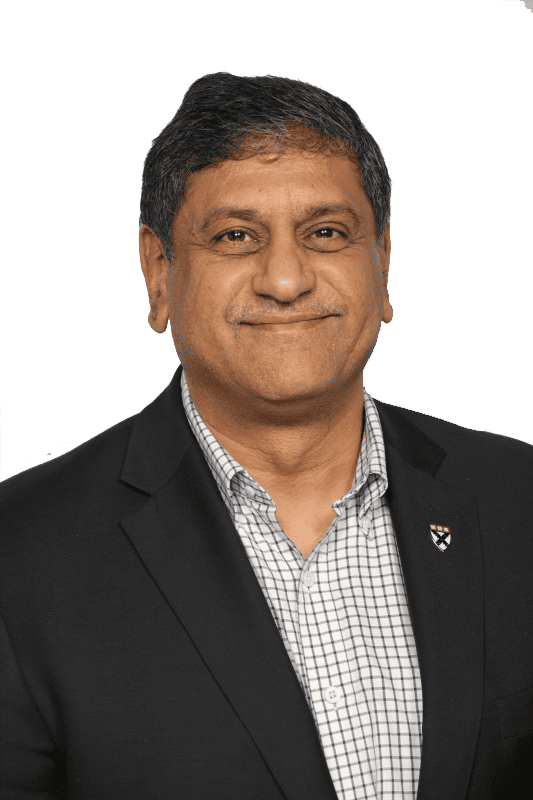
Rohit Mahajan is an entrepreneur and a leader in the information technology and software industry. His focus lies in the field of artificial intelligence and digital transformation. He has also written a book on Quantum Care, A Deep Dive into AI for Health Delivery and Research that has been published and has been trending #1 in several categories on Amazon.
Rohit is skilled in business and IT strategy, M&A, Sales & Marketing and Global Delivery. He holds a bachelor’s degree in Electronics and Communications Engineering, is a Wharton School Fellow and a graduate from the Harvard Business School.
Rohit is the CEO of Damo, Managing Partner and CEO of BigRio, the President at Citadel Discovery, Advisor at CarTwin, Managing Partner at C2R Tech, and Founder at BetterLungs. He has previously also worked with IBM and Wipro. He completed his executive education programs in AI in Business and Healthcare from MIT Sloan, MIT CSAIL and Harvard School of Public Health. He has completed the Global Healthcare Leaders Program from Harvard Medical School.
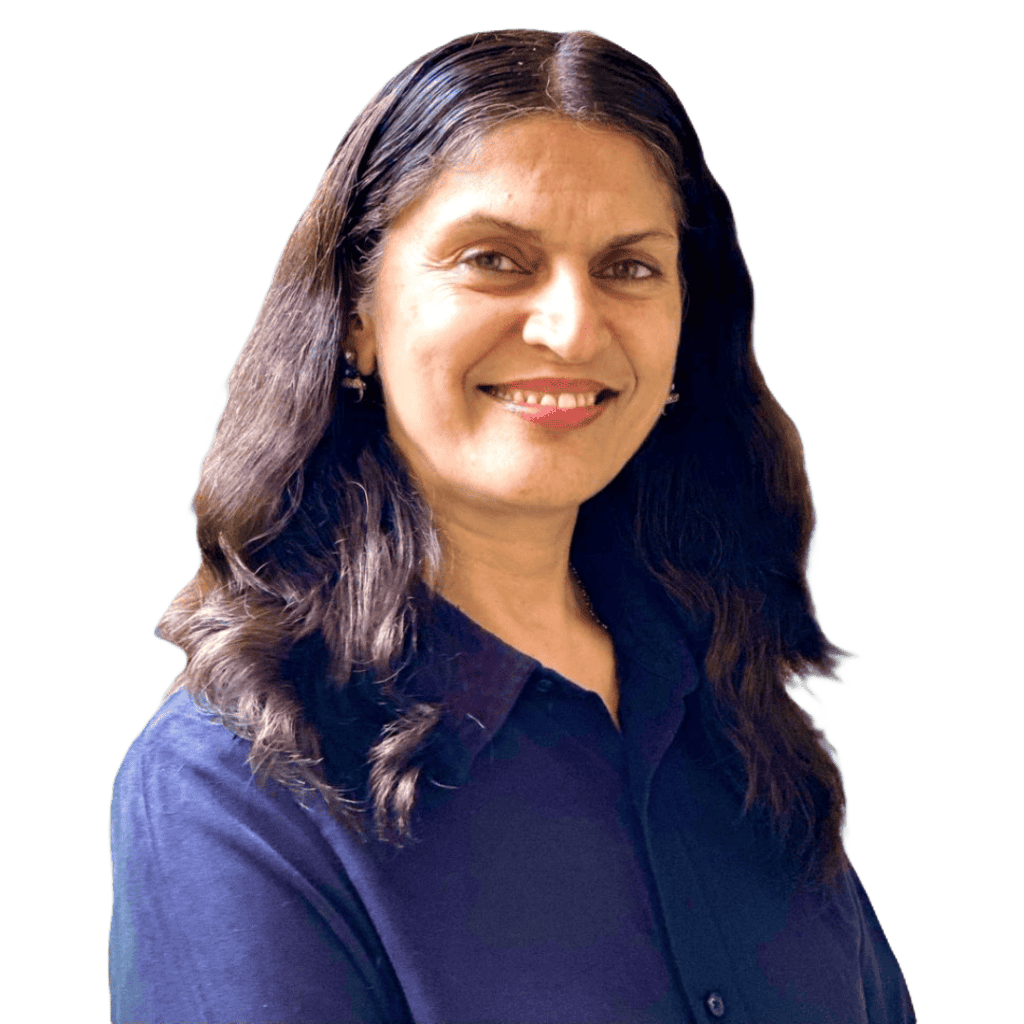
Ritu M. Uberoy has over twenty-five years of experience in the software and information technology industry in the United States and in India. She established Saviance Technologies in India and has been involved in the delivery of several successful software projects and products to clients in various industry segments.
Ritu completed AI for Health Care: Concepts and Applications from the Harvard T.H. Chan School of Public Health and Applied Generative AI for Digital Transformation from MIT Professional Education. She has successfully taught Gen AI concepts in a classroom setting in Houston and in workshop settings to C-Suite leaders in Boston and Cleveland. She attended HIMSS in March 2024 at Orlando and the Imagination in Action AI Summit at MIT in April 2024. She is also responsible for the GenAI Center of Excellence at BigRio and DigiMTM Digital Maturity Model and Assessment at Damo.
Ritu earned her Bachelor’s degree in Computer Science from Delhi Institute of Technology (now NSIT) and a Master’s degree in Computer Science from Santa Clara University in California. She has participated in the Fellow’s program at The Wharton School, University of Pennsylvania.
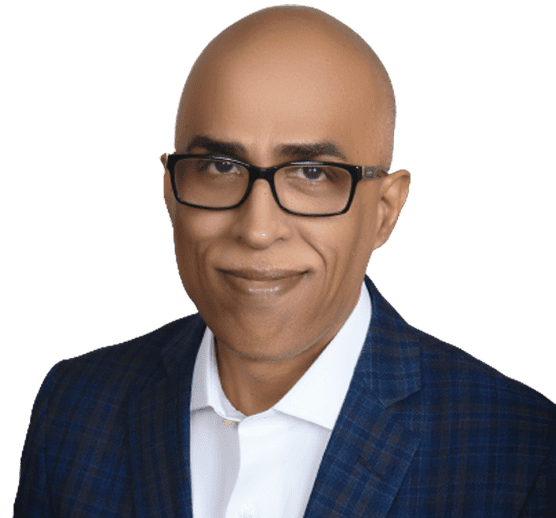
Paddy was the co-author of Healthcare Digital Transformation – How Consumerism, Technology and Pandemic are Accelerating the Future (Taylor & Francis, Aug 2020), along with Edward W. Marx. Paddy was also the author of the best-selling book The Big Unlock – Harnessing Data and Growing Digital Health Businesses in a Value-based Care Era (Archway Publishing, 2017). He was the host of the highly subscribed The Big Unlock podcast on digital transformation in healthcare featuring C-level executives from the healthcare and technology sectors. He was widely published and had a by-lined column in CIO Magazine and other respected industry publications.
Stay informed on the latest in digital health innovation and digital transformation