By Ritu M. Uberoy
Co-Host, The Big Unlock Podcast
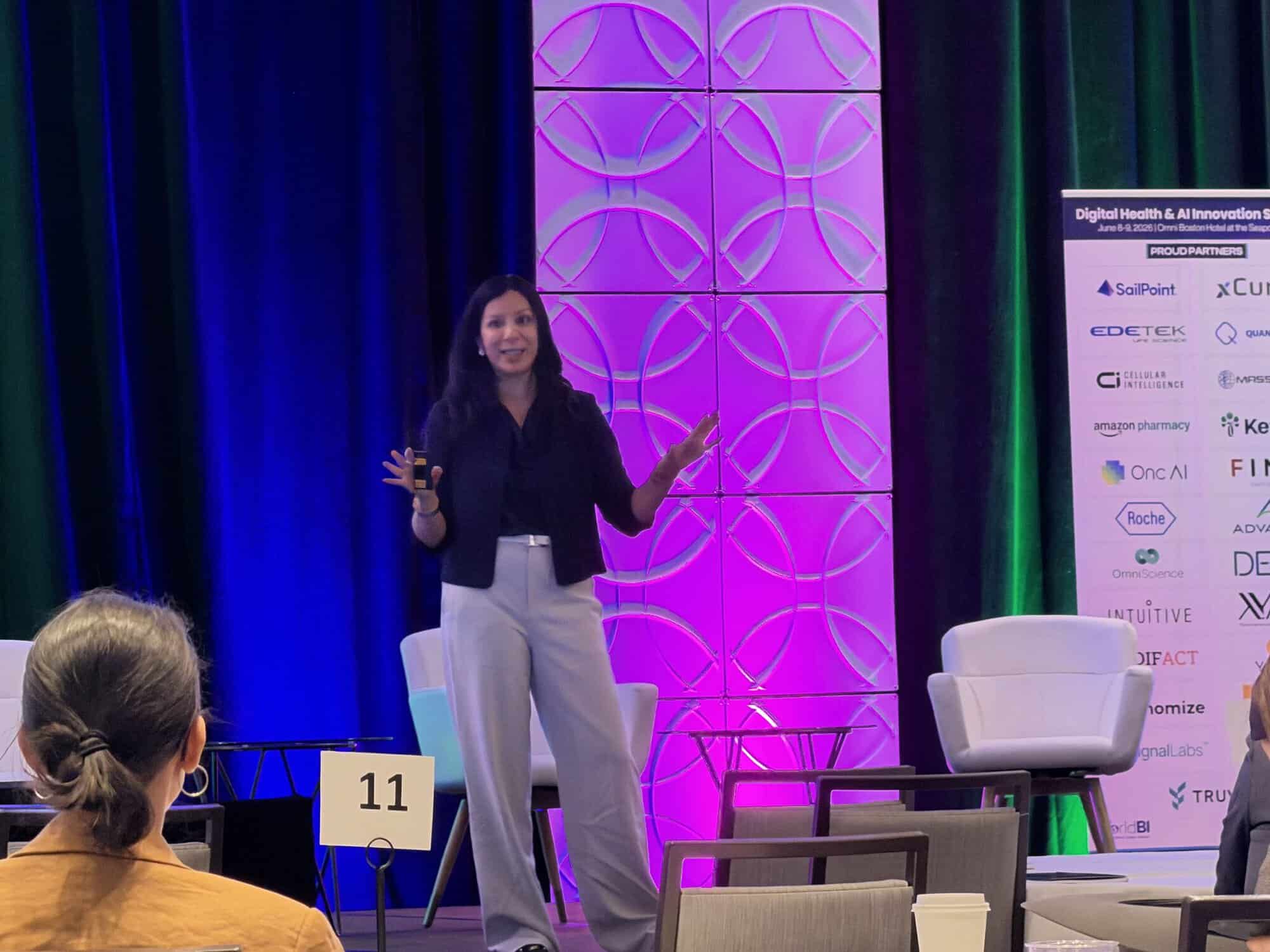
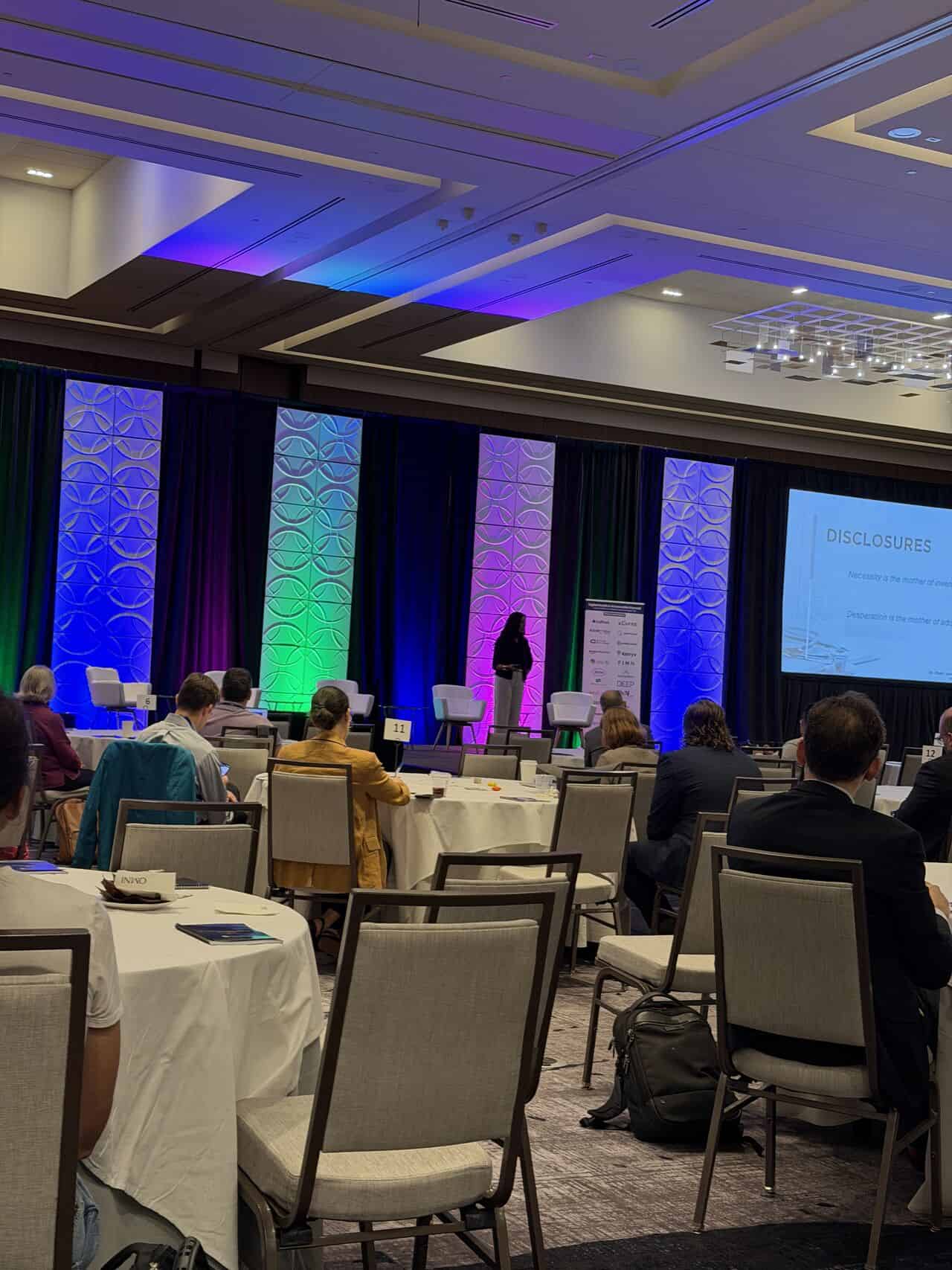
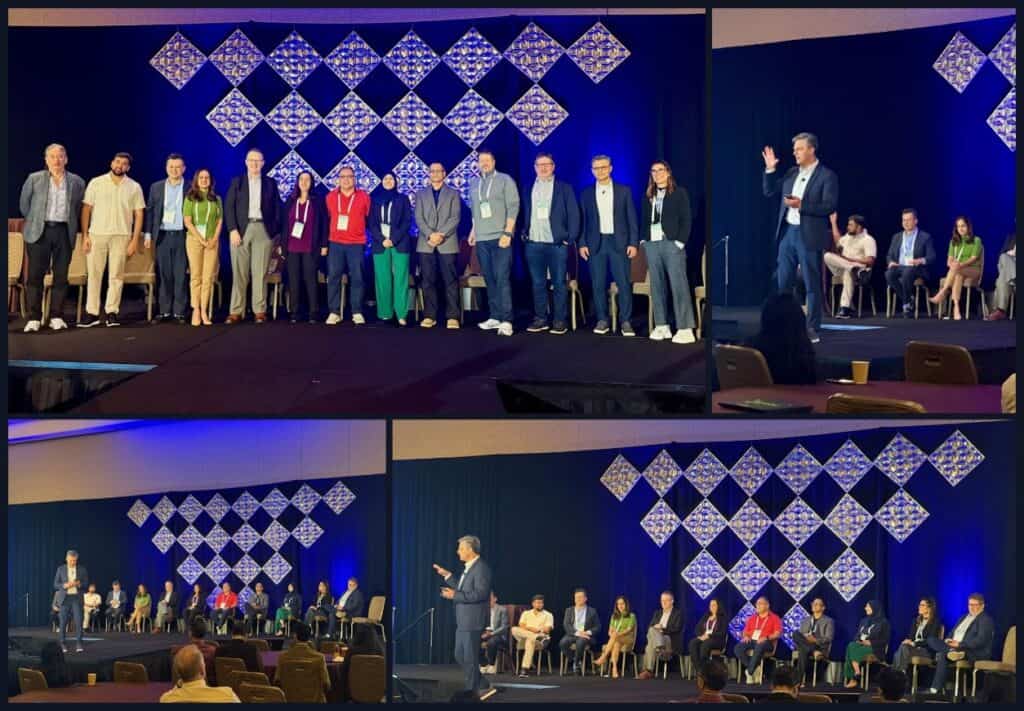
I came out of a wonderful panel with Chief AI Officers at AIMed 2026 thinking about how quickly the role has evolved. Health systems are making decisions about where AI belongs in patient care, who should oversee it, and what evidence they need before expanding its use. The panel brought those decisions together in one conversation. The question I kept coming back to was simple: Who owns the decision when AI becomes part of the way care is delivered?
One of the questions on the AIMed agenda was how to protect patients while giving teams room to make progress. That balance can feel abstract until you put it in the context of a real workflow. If an AI tool flags a patient message as urgent, who reviews it? Where does it go if the first person is unavailable? Who can pause the workflow if the team sees a pattern of missed or misrouted messages?
These are questions a team can answer before a pilot begins. Clear answers give clinicians and staff a way to raise concerns and give leadership a basis for deciding whether to expand the pilot. To me, that’s where governance earns its place in the day-to-day work.
The panel also made me think about what changes when AI can take an action. Think about patient access. An agent could help a caller find the right department, confirm an appointment, or route a request to staff. Each action raises a practical question about what the agent is authorized to do and when a person needs to step in.
I’d start by looking closely at the handoff. When a caller’s situation falls outside the agent’s scope, can they reach someone who can help? Does that person have enough context to pick up the conversation without making the caller start over? Those details tell you a great deal about whether the workflow will hold up on a busy day.
The AIMed session raised another question that comes up in our work at BigRio and in conversations on The Big Unlock: what does value look like to both the board and the care team? For a patient access workflow, one place to start is to ask whether callers reach the right person with fewer transfers and whether staff spend less time untangling misrouted requests. Then ask whether those gains hold up during the busiest hours.
My takeaway from AIMed is that ownership and measurement belong in the same conversation. Before expanding an AI workflow, I’d want to be able to name whose day it improves, how we’ll know it helped, and who can change course if it falls short. Those are the questions I’m bringing back to our work.
“HLTH brings together the brightest minds in healthcare to drive real-world transformation through AI, data, and workflow innovation. The energy, collaboration, and actionable insights here are truly reshaping the future of care at scale.”
– Rohit Mahajan, Co-host of The Big Unlock Podcast
Recent Events
Stay informed on the latest in digital health innovation and digital transformation