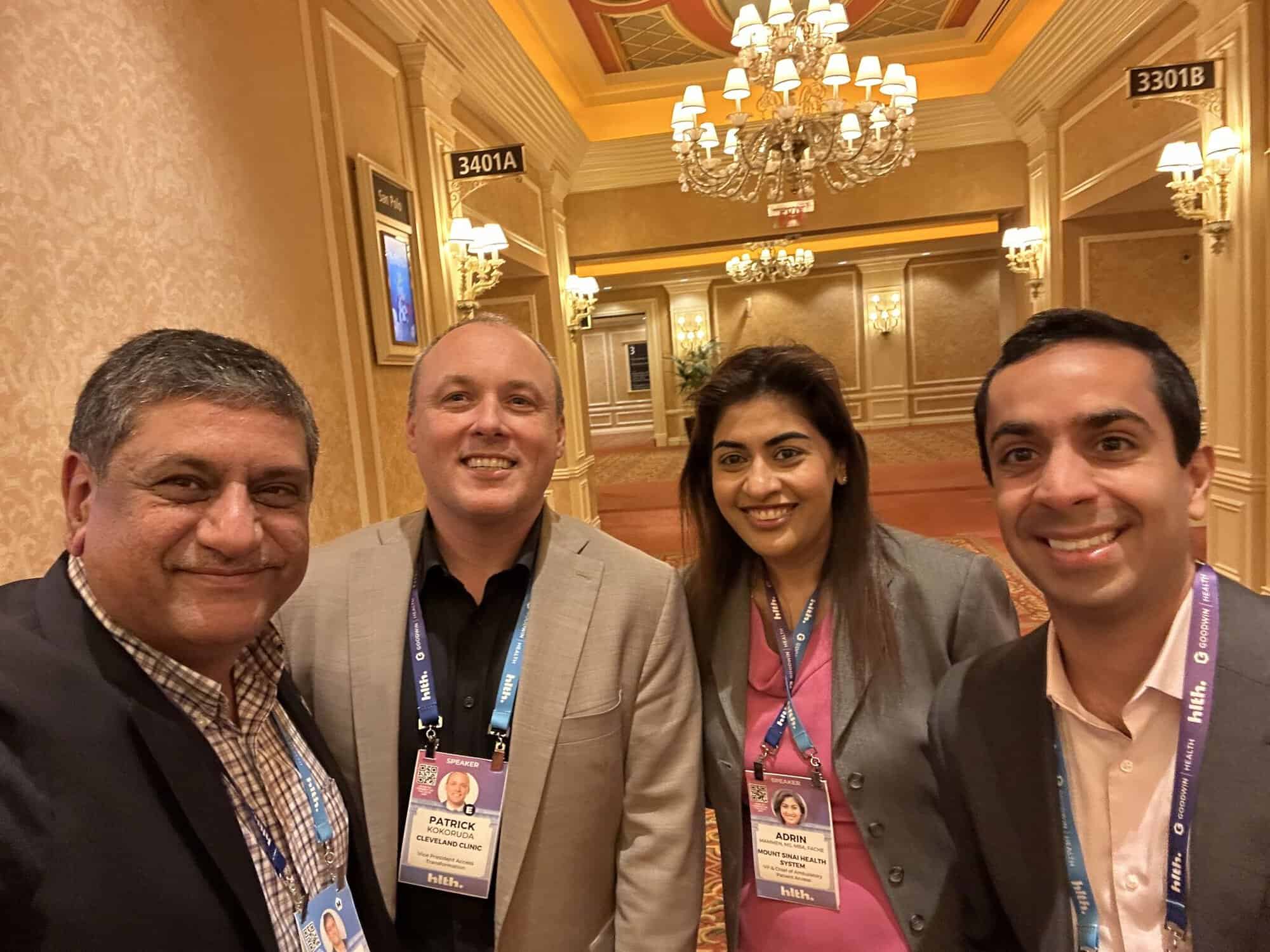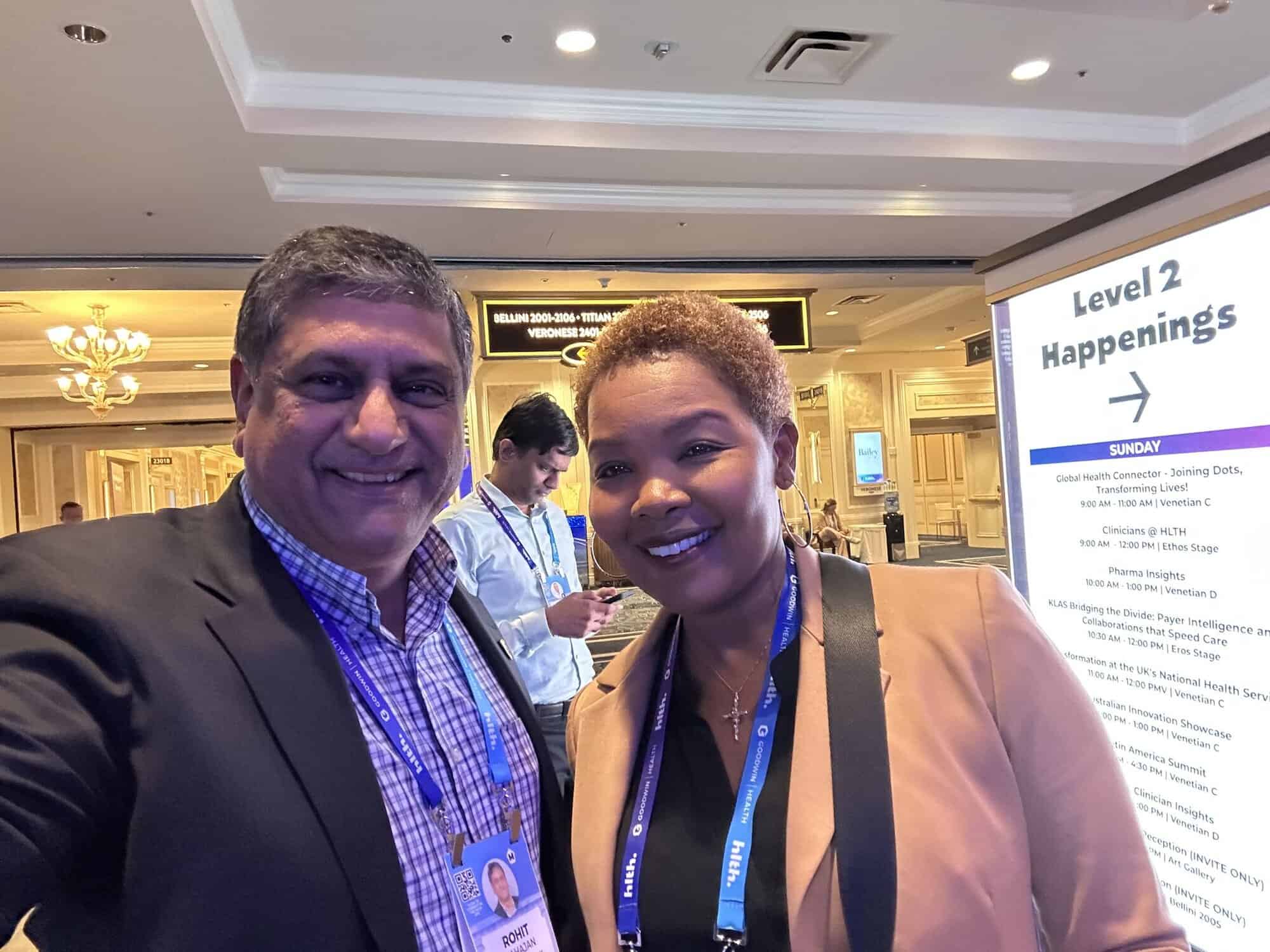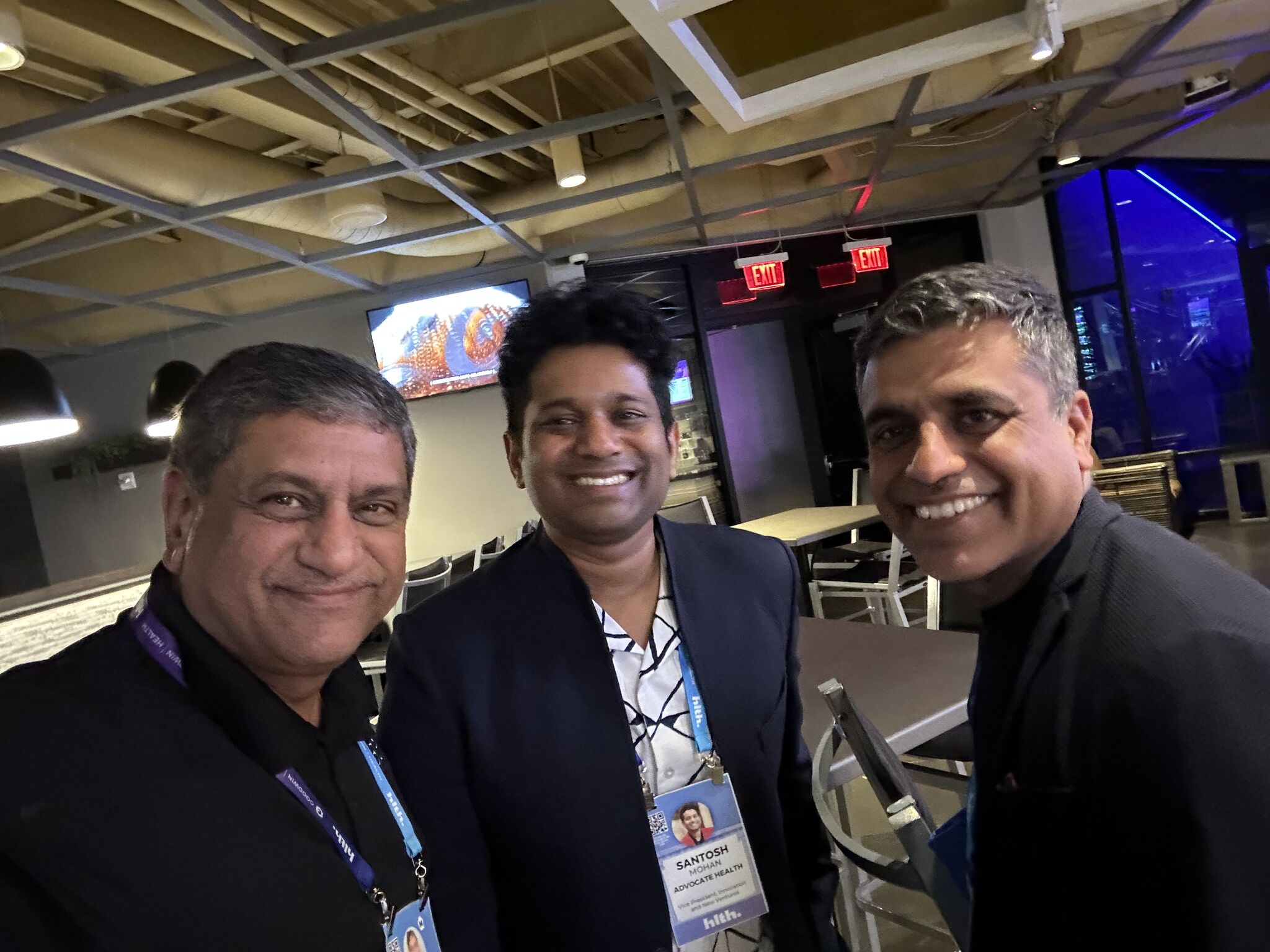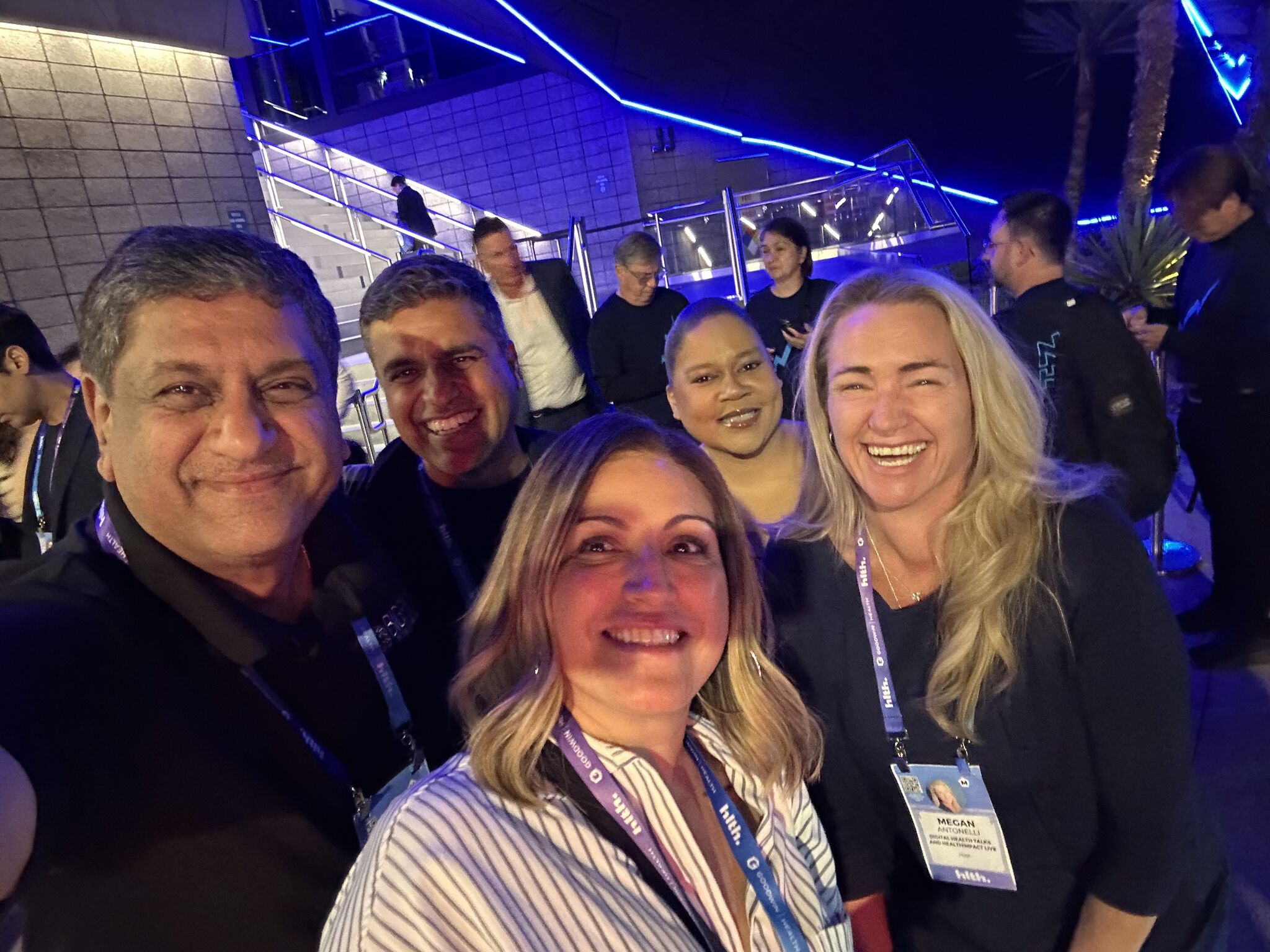
Month: March 2026

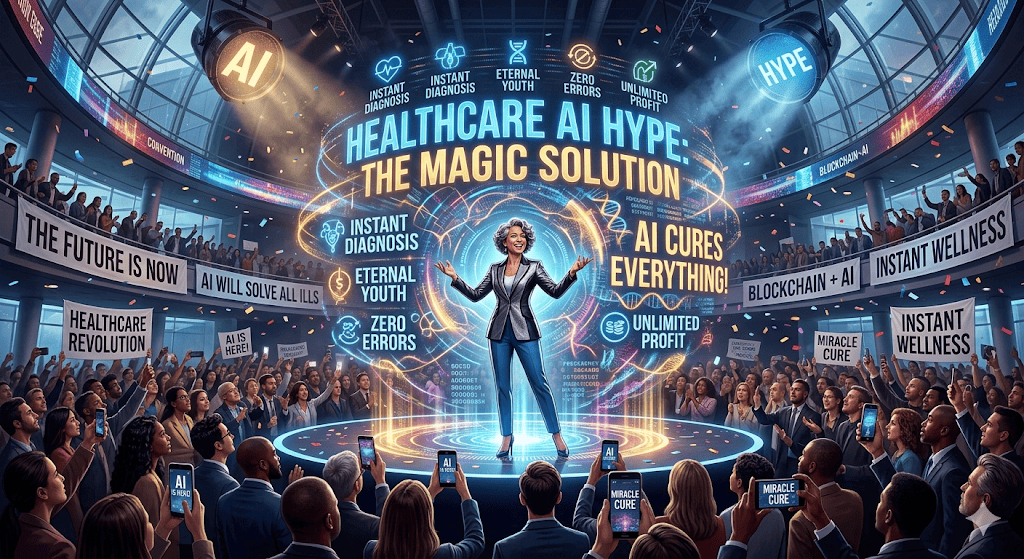
Turning Healthcare AI Hype into Real-World Execution

Turning Healthcare AI Hype into Real-World Execution

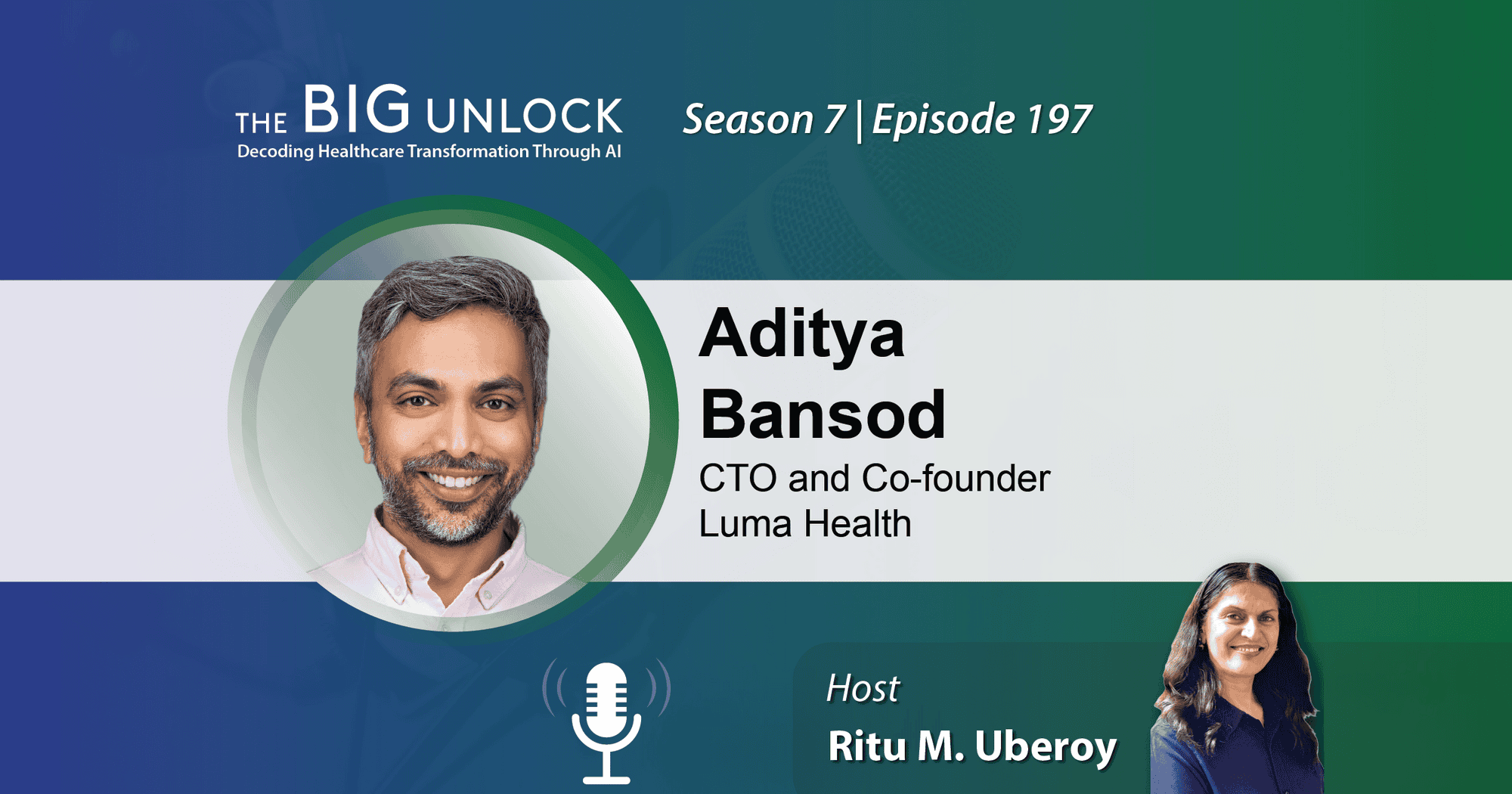
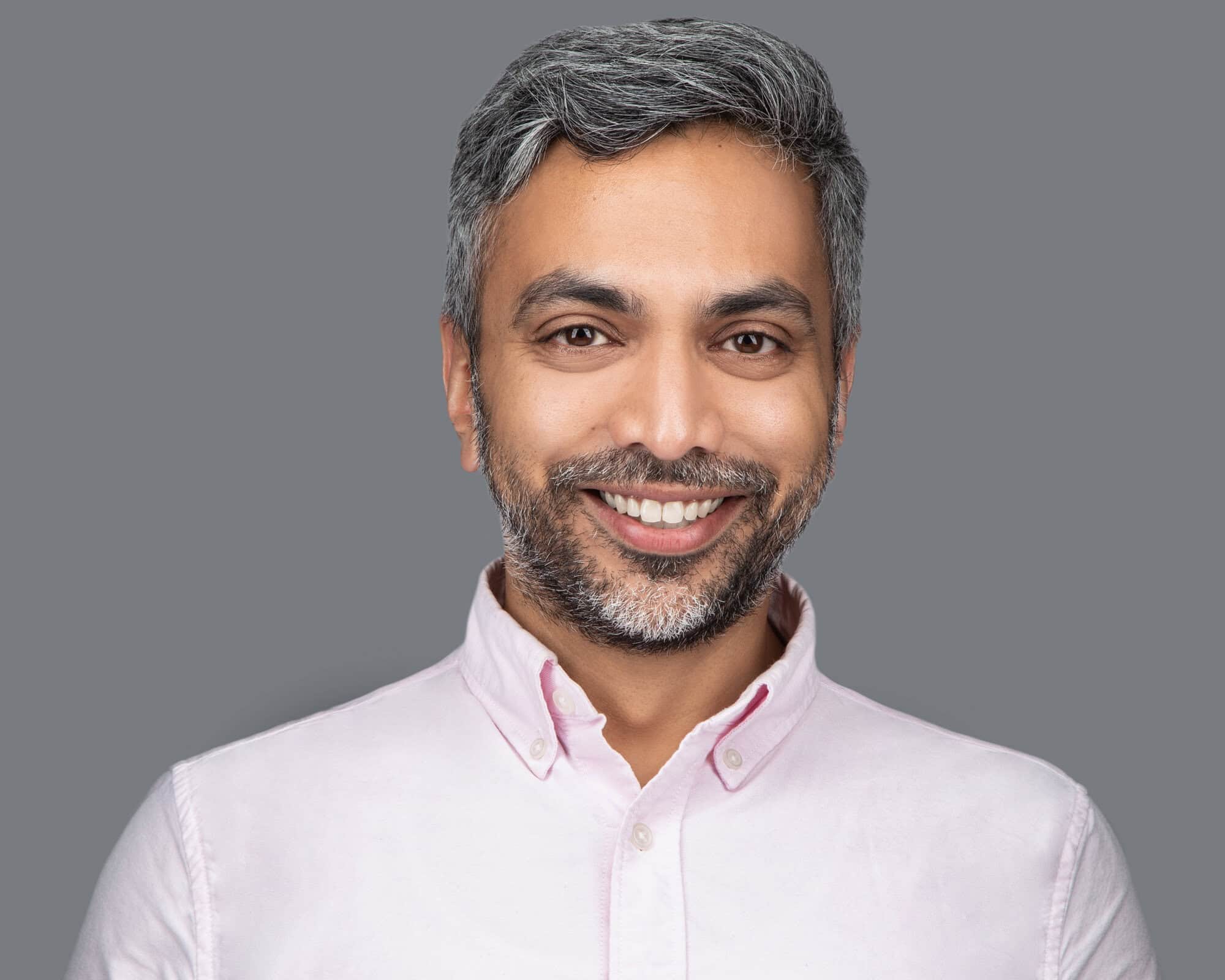
Insights by Aditya Bansod, CTO and Co-Founder of Luma Health

“Healthcare doesn’t have an ‘AI imagination’ problem. It has an execution problem…” said Aditya Bansod, CTO and co-founder of Luma Health, on a recent episode of The Big Unlock podcast. It was a point that he made repeatedly as he discussed why healthcare AI often underdelivers, and what leaders must do to turn promise into performance with our host, Ritu M. Uberoy.

With a lifelong passion for building software, Aditya leads Luma Health’s technical vision and strategic direction for building a platform that empowers healthcare providers to better serve their patients and improve healthcare outcomes. His central claim is simple: many AI tools underperform in healthcare not because the models are weak, but because the workflows are messy, the handoffs are human, and the infrastructure is stitched together with a mix of modern platforms, legacy systems, and unstructured communication.

Or as the episode hints early on: healthcare still runs on “cutting-edge tech and clipboards.”

Aditya’s perspective is grounded in a very specific mission. Luma doesn’t “do medicine” or “do science,” as he puts it. Its job is to make it easier for patients to see their doctor. It sounds simple. It’s not. And that “unsexy last mile” is exactly where AI hype either becomes real—or collapses under the weight of reality.

As he told Ritu, “We don’t do medicine, we don’t do science. Our simple job is to make it easy for the patient to see their doctor… and that is just like such a hard part of the healthcare experience.”

Healthcare AI Often Fails at the “Handoff Problem”

One of Aditya’s most practical insights is that healthcare isn’t a single workflow. It’s a chain of workflows, where patient care passes from Medical Assistant to RN, RN to physician, physician to billing, etc.

He describes it as the “connective tissue” of healthcare operations. And he argues that humans, for all their imperfections, are still better than software at passing context along.

“The amount of connectivity and the amount of tissue inside the health system that exists to do that. It’s honestly, kind of unbelievable. And it works because humans are exceptionally good at passing context along – in fact, despite what most people may think, they’re better than computers at it.”

That becomes a direct critique of many AI “point solutions,” especially those that operate with limited connectivity to the broader system. You can build an AI voice agent that schedules an appointment. But what happens to the nuance a human would capture in the call? Does it land in the chart? Does it trigger transportation assistance? Does it cue interpreter services? Does it flag a mobility issue that affects how the patient should arrive? Aditya’s argument is that these details are often the difference between “automation” and “execution.” “All the little nuances that a human would pick up… do those make it into the chart?”

He gives a simple example: a patient might mention pain, difficulty walking, or barriers to getting into the car. In a human handoff, someone says, “Get them a wheelchair.” In a disconnected automation, that context can evaporate.

In other words, AI isn’t failing because it can’t talk. It’s failing because it can’t reliably connect that talk to the operational reality of healthcare.


Why “More AI Tools” Can Make Execution Worse

A second theme in the episode is what Aditya calls a “Cambrian explosion” of AI solutions, which he defines as “massive funding and rapid product creation aimed at a limited set of problems.”

The result is predictable. CIOs and CTOs are now flooded with tools that overlap. In real health systems, that means multiple vendors trying to solve adjacent workflow steps, each with its own UI, logic, and integration story.

Aditya describes the situation bluntly: health systems often end up buying overlapping “Venn diagrams.”

“You’ve effectively purchased eight overlapping Venn diagrams.”

This isn’t just annoying. It’s operationally dangerous. It can create fragmented workflows where each tool works “in isolation,” but the overall journey breaks.

He uses colonoscopy scheduling and prep as a vivid example. Even when a patient shows up, if prep wasn’t done correctly, it’s functionally a no-show. That’s a workflow with multiple inputs: patient outreach, prep instructions, prior authorizations in some cases, outside medical records, follow-up confirmations, and staff readiness.

The lesson is that patient access is not a single “AI function.” It’s an orchestration problem.

Aditya argues that most health systems do not want to become software companies. They don’t want to build massive development competencies. They want to deliver care. But they will need something in between which he explained is “an integration and workflow-orchestration competency.”

“Most CIOs… don’t want to build a software competency… but they ultimately have to build an integration competency.”

He makes a useful comparison to the post-2020 rush. “Many systems rapidly bought telehealth, texting, and remote monitoring platforms during COVID, then spent the following years rationalizing app sprawl.” He predicts healthcare AI will follow the same path, except this time the emphasis won’t be only rationalization. It will be workflow-level orchestration.

The implication for leaders is uncomfortable but clear: the “AI era” will create more integration work before it creates less.


Autonomy is Coming Faster Than Expected, and it’s Already “Exception-Driven.”

In the episode, Aditya also tackles one of the biggest tensions in healthcare AI right now: “human in the loop” versus agentic autonomy. The CTO offers a nuanced and very practical way to reconcile it. He jokingly compares health systems to Maslow’s hierarchy of needs. Each system has its own “AI hierarchy.” Some are just trying to help physicians with basic burden reduction. Others are experimenting with agents handling more autonomous interactions.

“Every health system has their AI hierarchy… everyone’s kind of converging.”

What surprised him was how quickly organizations are moving up that hierarchy.

He shares a recent conversation where a health system was already letting AI agents perform medication reconciliation with patients. His reaction is basically: “Already?” That moment captures the acceleration happening in 2026: many organizations are moving toward autonomy faster than the cautious voices predicted.

One reason is consumer normalization. Patients are already using AI tools in their own lives, sometimes even connecting personal health records to ask questions. The gap between consumer behavior and health system adoption is shrinking.

“Consumers are demanding it… patients are consumers.”

The second reason is more operational: exception-based work is already how healthcare runs in many places, especially in the revenue cycle. That pattern is now being applied to AI.

Aditya describes Luma’s AI fax and order-processing workflows. He expected customers would want humans verifying everything. Instead, some asked for exception-only review: let the system handle what it’s confident about, and route low-confidence cases to people.

“Just give us the exceptions… the stuff where we have like 95% confidence, let it ride.”

That’s an execution mindset, not a hype mindset. It treats AI as a workflow engine with adjustable controls not some kind of a “magic brain.”

Aditya explains how Luma approaches guardrails in two layers:

First, compliance and standards. He points to emerging frameworks and programs that are beginning to create “best practice” scaffolding for AI governance and auditability.

Second, product design. Different health systems want different thresholds. Some want higher automation earlier. Others want more human review. The software needs to let clients “turn the knob” and increase autonomy over time as confidence grows.

He even offers a clear Luma opinion: full automation above 90% confidence, based on a “judge” pattern where one model produces output and another evaluates it.

“If the AI thinks it’s 90% right… fully automate anything above 90%.”

It’s a practical approach to what he says is a practical reality; healthcare doesn’t require perfection to move forward, but it does require controllable risk.


The Messy Middle of Healthcare AI: Platform Promises vs Real Connectivity

If there’s one phrase that captures Aditya’s overall stance, it’s “messy middle.”

He argues that the true “platform moment” in healthcare AI doesn’t exist yet. Not fully. Not in a way that makes workflows seamlessly orchestrated across systems.

He points to signs of progress such as vendors talking about workflow frameworks, others exposing the capabilities that agents can do, but he emphasizes that connectivity is still the bottleneck. A standalone capability doesn’t solve orchestration.

“I don’t think that platform exists today.”

His timeline is realistic: likely two to three years before the market rationalizes from “a vendor for every job” to “a few vendors covering most jobs,” creating a workable ecosystem.

He describes it as moving from 70 vendors solving 70 tasks to a small number of vendors solving most of the jobs-to-be-done between “I need care” and “care delivered.”

That’s a clear execution thesis: healthcare AI won’t win by stacking more tools. It will win by consolidating, integrating, and orchestrating.


The Takeaway

Aditya Bansod’s message is one we do not hear often enough: healthcare doesn’t need more AI hype or more “shiny” point solutions. It needs workflow-level execution that actually gets patients from intent to appointment to completed care. In his view, AI underperforms when it can’t carry context across human handoffs, when it adds another disconnected tool into an already fragmented ecosystem, and when health systems are forced to stitch together overlapping solutions without a true orchestration layer. The path forward is practical: build integration competency, design AI to work as an exception-driven engine rather than a brittle automation and give health systems adjustable guardrails so autonomy expands as confidence grows. The winners won’t be the organizations with the most pilots. They’ll be the ones that can connect the dots because their technology choices are aligned to real workflows, real handoffs, and real execution.

Sitting at the intersection of Silicon Valley product discipline and the unglamorous “last mile” of healthcare access, Aditya Bansod’s unique insights are especially valuable:

  • Healthcare AI fails most often at the handoff—because context is passed through humans, not systems, and disconnected tools lose nuance.
  • AI voice and scheduling agents won’t scale as point solutions unless they can push meaningful context into downstream workflows (charting, services, escalation).
  • The market is experiencing a “Cambrian explosion” of overlapping tools, forcing CIOs into integration and rationalization—whether they want it or not.
  • The near-term goal isn’t one perfect platform; it’s workflow orchestration across multiple tools until consolidation catches up.
  • Autonomy is arriving faster than expected, and exception-based work queues are the practical bridge between “human in the loop” and agentic workflows.
  • Responsible scaling requires adjustable confidence thresholds and clear guardrails—so automation increases gradually as systems build trust in performance.
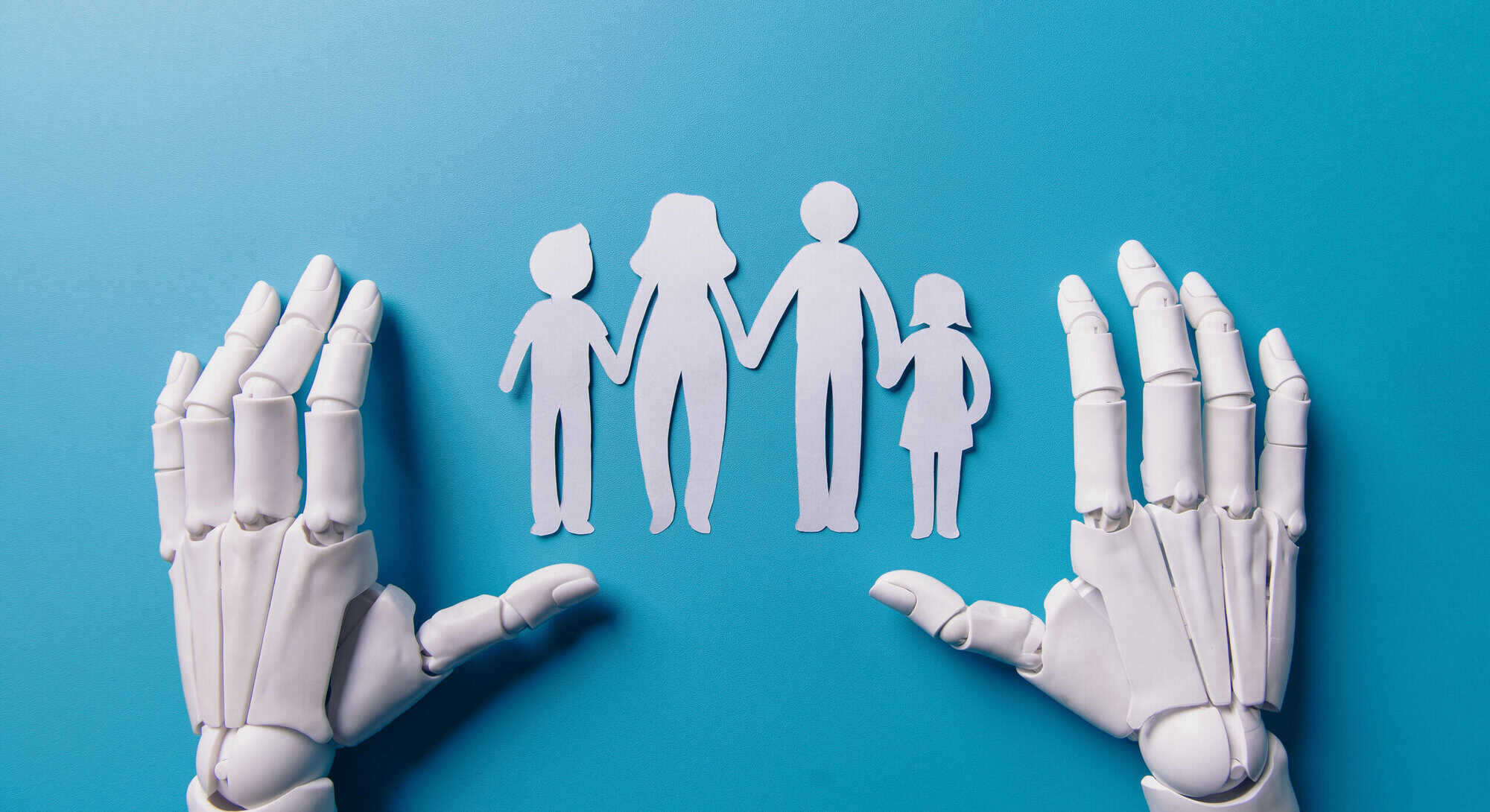
Augmenting Care and Strengthening Trust with Healthcare AI

Augmenting Care and Strengthening Trust with Healthcare AI

Insights by Dr. Andrea Willis, SVP & Chief Medical Officer, BlueCross BlueShield of Tennessee

Healthcare AI is often discussed through a provider lens, hospitals, clinician workflows, documentation, and bedside impact. A recent episode of the Big Unlock Podcast showcased a different perspective, when Dr. Andrea Willis, Senior Vice President and Chief Medical Officer at BlueCross BlueShield of Tennessee, brought a “payer-and-population-health” view of what “responsible AI adoption” actually looks like in the real world. As she explained to host Ritu M. Uberoy, “AI doesn’t live in a demo. It lives inside care management, utilization management, pharmacy, quality, equity, member experience, privacy, and governance.”

Since those areas sit at the center of trust in healthcare, Dr. Willis’s definition of “responsible AI” is grounded in practicality. For her AI must make the system feel more supportive, more understandable, and more transparent, without creating new fear, confusion, or skepticism.

The conversation also opens with an origin story that subtly signals how she approaches healthcare itself. Growing up in Athens, Alabama, a young Andrea heard a mother cat in distress in her grandparents’ shed. She grabbed dishwashing gloves and scissors and went to help. With a little massage, the kitten was delivered successfully.

“That was my first delivery,” she says, and she knew from that moment she would become a doctor.

It’s a memorable story, but it also works as a metaphor for the episode: responsible AI should help reduce pain, reduce fear, and make the system more responsive, without stripping away the human support people need most.

Where Payers Apply AI First: Care Management and Utilization Management

When asked where AI sits today and how organizations move beyond pilots, Dr. Willis points to two areas where payers can drive real, scalable change: care management and utilization management.

In care management, her focus is not “automation for automation’s sake.” It’s the quality of human interaction. She describes an AI-enabled care management experience that compiles what the organization knows about a member so the care manager can stay “fully present” during the conversation. AI can summarize history, capture interaction context, and prompt next steps, reducing the invisible work that usually surrounds member outreach.

In other words, the AI isn’t there to replace the care manager. It’s there to remove the background burden so the care manager can listen, respond, and connect.

That matters because Dr. Willis repeatedly emphasizes a human reality that is members often are scared. They want to feel heard. They want to feel like the system understands what’s happening and what happens next. When a care manager has to spend the call searching, toggling screens, and trying to piece together context, the member can feel the distance.

Responsible AI adoption, in her framing, is partly about creating space for humanity. It helps care teams spend more energy on the person and less energy on the process.

In utilization management, she is unusually direct about the purpose of AI. She acknowledges that across the industry, AI is being explored in utilization management workflows. But she draws a clear line: AI is not meant to deny care. The goal is to bring relevant information forward, so approvals happen faster and decisions are clearer.

“We already have some pilots in place for utilization management and are looking at where we need to make tweaks before we scale it out broader, but that is something we’re looking at on the utilization management side of the house. Where we can bring all the information that we have in the system to bear so that we can get to approvals faster.”

Dr. Willis’s position is that responsible AI in utilization management must balance speed and transparency, enabling faster, more accurate decisions by surfacing the right context, while keeping accountability and evidence-based criteria at the center.

She also notes that beyond these outward-facing use cases, her organization is collecting employee ideas broadly to identify other innovation opportunities. That’s an important point for scale: responsible adoption is not only a single “AI project.” It’s an evolving capability built across teams, with shared learning and shared accountability.


Designing for Relevance: Why “All Data” is Not the Same as “Useful Data”

One of the most practical segments of the episode comes when Dr. Willis talks about learning from limitations early before an AI-enabled workflow becomes widely used.

She describes the importance of testing in controlled environments prior to broader rollout, and then she names a scaling challenge that shows up quickly in healthcare operations: relevance.

AI can compile a member’s information, but compiling “everything we have” isn’t the same as delivering what’s helpful in the moment. A diagnosis from years ago or medications that were once relevant may not reflect what the person is dealing with now. Without smart parameters, AI output can become cluttered, distracting, and potentially misleading.

Her point is simple, responsible AI needs guardrails that focus on what still matters clinically and operationally.

“This is a scalability insight hiding in plain sight. Many AI pilots fail not because the model can’t do the task, but because the output is too broad, too noisy, or too unfiltered to be usable at speed. In payer environments where teams manage large populations with long histories, relevance becomes everything,” she explained to Ritu.

Dr. Willis extends this mindset into digital care management more broadly. She notes that digital self-service can be very appealing. She says members do want convenience, but healthcare is complicated, and self-service cannot be the only answer. That’s why she emphasizes guided self-service, a model where members can complete routine tasks digitally, but the system can detect when someone needs more support than self-service can provide.

Guided self-service is a responsible adoption strategy because it avoids a common pitfall, pushing people into digital tools that feel like dead ends. It respects the fact that some needs are simple and some are not and the experience should be designed to escalate appropriately when the situation requires more help.


Measuring Success the Payer Way: Outcomes, Closed gaps, and Real Engagement

Dr. Willis grounds the conversation in successful metrics that actually translate into operational value. In care management, success isn’t “AI adoption” as a vanity metric. It’s whether member goals are met.

That could mean resolving an acute need, supporting a chronic care plan, closing a gap in care, or helping someone navigate a safe transition home after hospitalization. It’s practical and member centered. AI should answer: did the person get what they needed, and did the system help them move forward?

She also talks about engagement in ways that feel directly applicable. When members are informed that care management support is available, engagement rises and the downstream outcome is more gaps closed and more needs met.

She adds something many operational leaders recognize as a “quiet success metric”: when teams see what’s possible, they start generating better ideas. Innovation becomes a flywheel. Staff bring forward new use cases, new workflow improvements, and new ways to reduce friction because they can see the system improving.

In payer environments, that matters. Scaling isn’t just a technical process. It’s an organizational learning process. The more people understand the tools, the more they can apply them responsibly. This leads naturally into the broader adoption strategy she describes, which is making AI literacy a shared responsibility rather than a niche expertise.


Transparency and Governance are the Real “Scale Engines” for Responsible AI

Dr. Andrea Willis makes a point that she feels often gets lost in the excitement around new models, responsible AI at scale is less about flashy capability and more about the operational conditions that make people trust the system.

From a payer perspective, trust is built when decisions can be explained clearly, in plain language, and when the process feels consistent and evidence based. It’s also built when information can flow to and from all involved parties so fewer decisions are made in an “information vacuum,” and fewer stakeholders feel like someone else is acting without the full story.

What stands out in this conversation is her insistence that AI should reduce friction, not create new confusion. In care management, that means AI should help care teams stay present with members by handling background work like summarization and next-step prompting. In utilization management, it means AI should accelerate clarity and approvals by surfacing the right context faster, never functioning as a tool designed to deny, but as a tool designed to move the right decisions forward efficiently and transparently.

And finally, she offers a useful metaphor, mobile banking. People didn’t trust it immediately. They adopted it gradually as it became more helpful, more friendly, and more aligned with their needs. Healthcare isn’t banking, but the adoption lesson is real; people use what they trust, and they trust what they can understand.


The Takeaway

Dr. Andrea Willis’s message is refreshingly practical – responsible AI adoption in healthcare is not about chasing the newest model or launching endless pilots, it’s about building trust through real-world usefulness, relevance, and transparency. From a payer perspective, AI earns the right to scale when it helps care managers stay fully present with members, filters information so teams focus on what matters now, and accelerates approvals by bringing evidence-based context forward rather than creating new friction. In her framing, responsible adoption also depends on the infrastructure most people overlook, clearer explanations in plain language, stronger interoperability so decisions aren’t made with missing information, and cross-functional governance that protects privacy while enabling progress. The organizations that lead won’t be the ones experimenting the most. They’ll be the ones that can standardize, explain, and scale what works because their workflows, transparency practices, and oversight are built for trust at scale.

Sitting at the intersection of clinical accountability and large-scale operational impact, Dr. Willis’s key insights are especially valuable:

  • Responsible AI must reduce cognitive burden, not increase it.
  • Responsible AI is often the most human use of AI: it helps care managers stay present while the system handles summarization, organization, and next-step prompting.
  • Scaling fails when relevance fails. AI must filter out old or non-actionable history so teams focus on what matters now.
  • Guided self-service is the practical middle path: empower members digitally, but escalate to human support when needs are complex.
  • In utilization management, AI should be used to speed clarity and approvals, not as a mechanism to deny care.
  • Transparency in plain language is a trust engine—especially for prior authorization outcomes and denials.
  • Responsible scaling requires interoperability, governance, and AI literacy so adoption moves from pilots to repeatable, trusted impact.

Moving Beyond Pilots to Scale Impact in Healthcare

Season 7

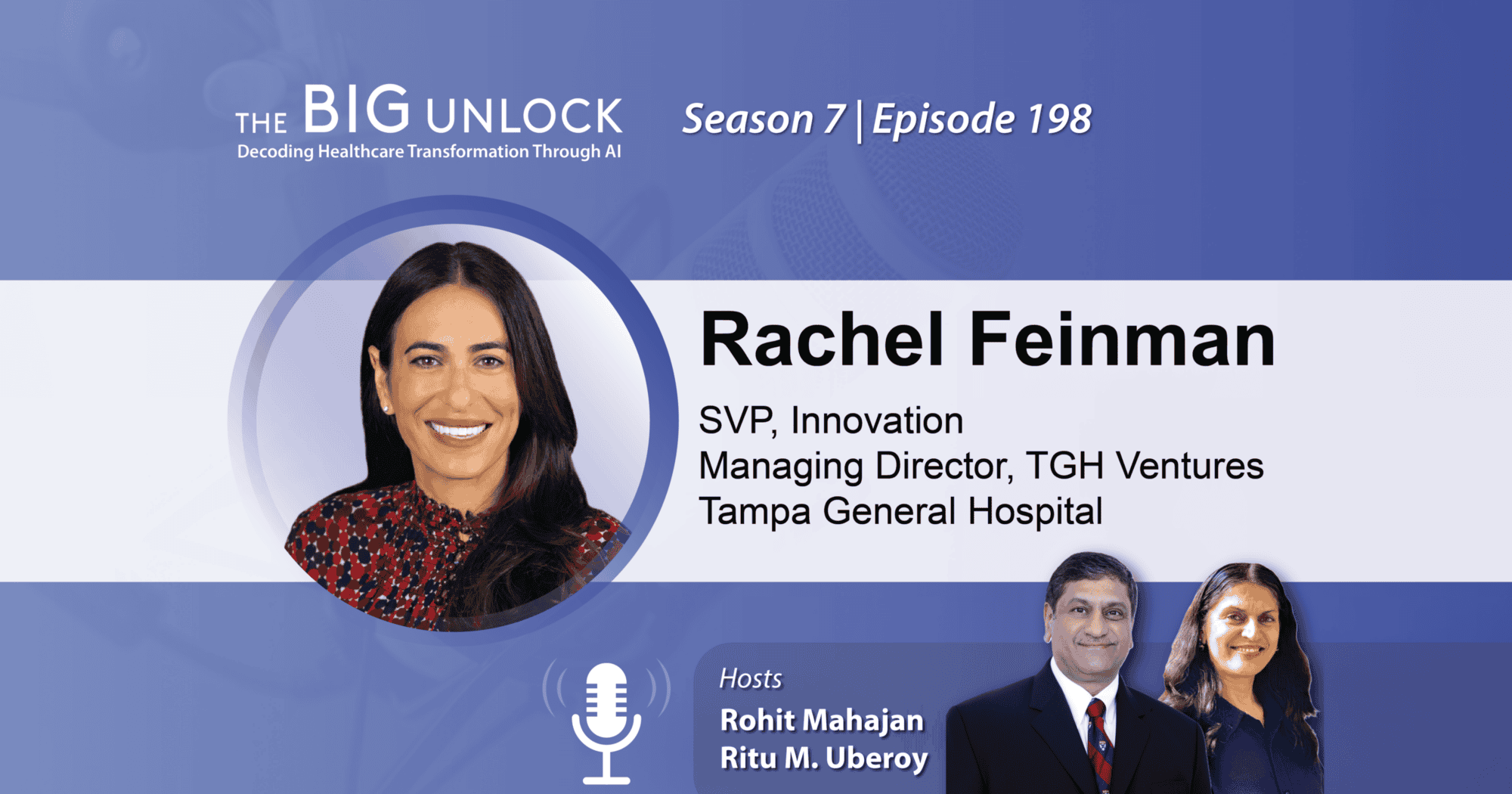
Episode 198 - Podcast with Rachel Feinman, SVP of Innovation and Managing Director of TGH Ventures,
Tampa General Hospital - Moving Beyond Pilots to Scale Impact in Healthcare

The Big Unlock
The Big Unlock
Moving Beyond Pilots to Scale Impact in Healthcare
Loading
/

In this episode, Rachel Feinman, SVP of Innovation and Managing Director, TGH Ventures at Tampa General Hospital, shares how the organization is breaking out of “pilot purgatory” to turn digital innovation into measurable impact. With a clear mandate to move beyond endless experimentation, the focus is on starting with a strong thesis, partnering intentionally, and scaling quickly when results are proven.

Rachel reflects on her journey from law to healthcare, bringing a unique lens on strategy, execution, and deal-making. She highlights the balance healthcare must strike that is moving fast in operational and administrative workflows while taking a deliberate, governance-led approach to clinical innovation. This “go slow to go fast” mindset enables both safety and speed.

She also underscores the growing role of AI in improving logistics, supporting care teams, and unlocking real-time insights, while emphasizing responsible deployment. Beyond technology, the real opportunity lies in connecting fragmented care journeys and extending care beyond hospital walls to create a more seamless, patient-centered experience. Through strategic investments and a focus on outcomes, Tampa General is building an innovation model designed to scale impact, not just ideas. Take a listen.

About Our Guest

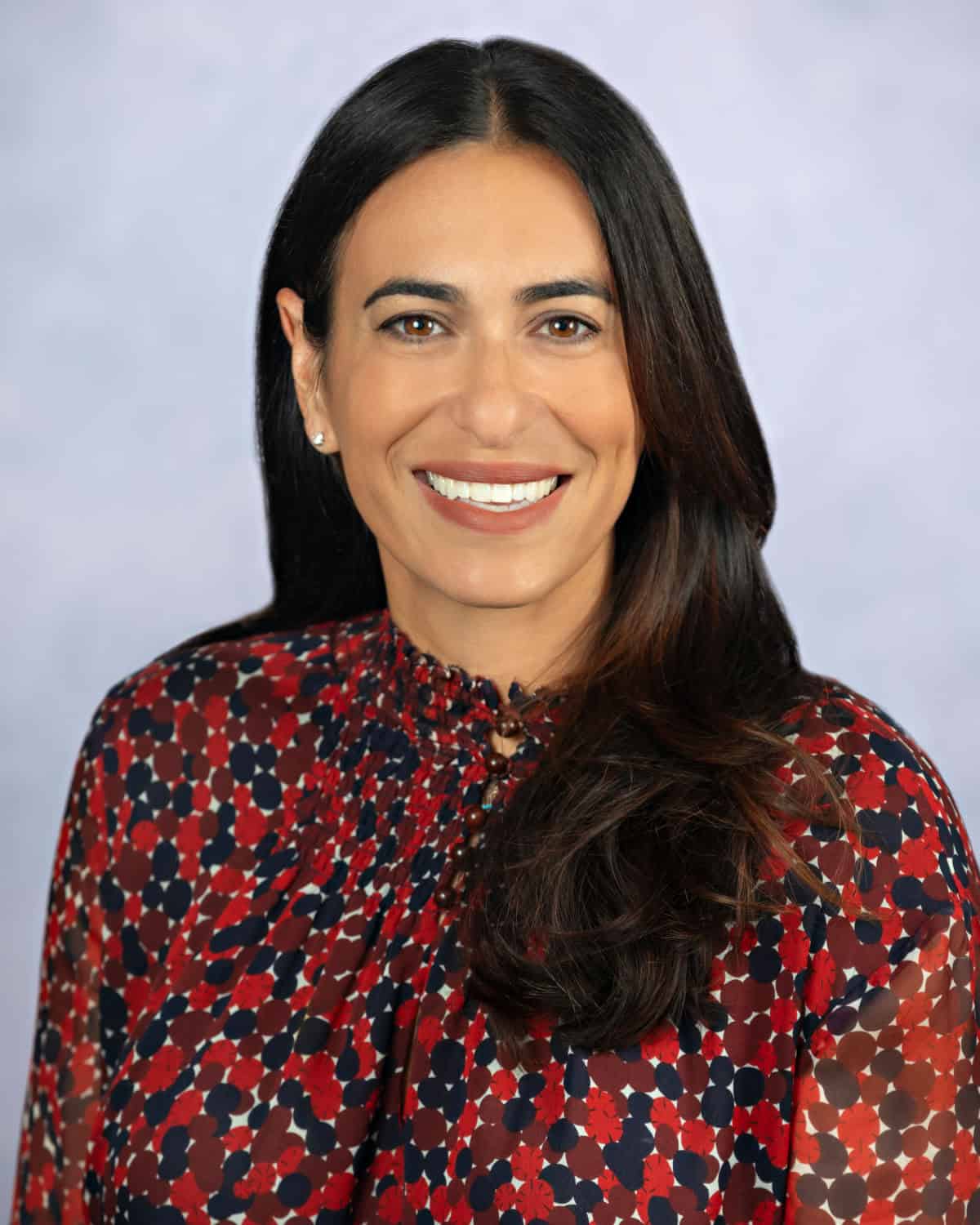
Rachel Feinman is the Senior Vice President of Innovation, Ventures and Digital Solutions at Tampa General Hospital and the Managing Director of TGH Ventures, the innovation, investment and commercialization arm of the Tampa General Hospital system. In her role, Rachel leads innovation at TGH, including strategic partnerships focused on driving value creation for the system. Rachel also oversees the organization’s venture investment strategy, managing a portfolio of early-to-growth stage startups and sourcing additional opportunities.

Rachel has a passion for influencing strategy and driving the action that enables impactful innovation to truly transform the delivery of healthcare. She also enjoys working with and mentoring early-stage startups and emerging entrepreneurs, most recently having served as the Executive Director of the Florida-Israel Business Accelerator, an organization focused on helping high impact Israeli startups penetrate the U.S. healthcare market. Rachel is a fully recovered business attorney with a long career advising clients raising from private investment funds to startups to large corporate organizations. As an attorney, Rachel specialized in business transactions of all kinds, with a specialization in private equity and venture capital transactions, as well as intellectual property protection and technology licensing deals. Rachel also has varied philanthropic interests, serving on non-profit boards like the Gasparilla International Film Festival and the Florida Venture Forum. Rachel lives in Tampa with her husband Josh and her two sons, Asher and Ezra, as well as her stepson, Brooks. She enjoys traveling with her family, having quiet time at the beach and watching her sons play baseball.


Ritu: Hi everyone. Welcome to The Big Unlock podcast, and today we are really happy to have with us Rachel Feinman, a leader at Tampa General Hospital who’s helping shape the future of digital health innovation. She works at the intersection of clinical operations, digital transformation, and emerging technologies such as AI. And she brings a thoughtful perspective on how health systems can move from technology experimentation to real operational impact. And like we were talking about at HIMSS, get out of pilot purgatory. So really looking forward to having Rachel with us here today. And welcome to all our listeners. My name is Ritu Roy. I am the co-host of The Big Unlock podcast along with Rohit. I’ll ask Rohit to quickly introduce himself, and then it’s all yours, Rachel. Thank you for joining us today.

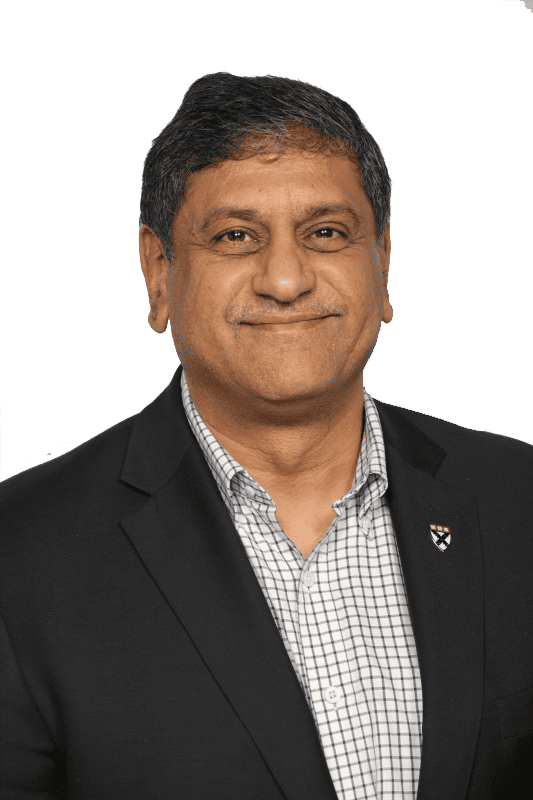
Rohit: Thank you, Rachel, and thank you, Ritu. I’m Rohit Mahajan. I’m the co-host of The Big Unlock Podcast along with Ritu and also the CEO at BigRio. So, super excited to have this conversation. And over to you, Rachel.

Rachel: Thank you so much for having me. I’m excited to be here to talk to you guys today. It’s funny, Ritu, you started talking about pilot purgatory, and at TGH we don’t do pilots. It was a mandate from our CEO, John Couris, after a lot of frustration with the fact that a lot of pilots are akin to a slow no, or an inability to show alignment or drive results. And so some of it’s a little bit tongue in cheek, I think, in terms of naming it a pilot versus something else, because of course we don’t just initiate everything at scale right away. Yeah. But the concept is we’re not going to be in the business of endless pilots. What we’re going to do is we’re going to start with a thesis. We’re going to identify a partner, a solution, start in a place where we think we can drive results, measure those results, and then if it works and it’s driving the results that we are anticipating and wanting to see, then we’re going to scale it quickly. We’re not going to stay in that purgatory that you were talking about. So I think it’s really important from a system perspective for us to think like that. Think about trying things, scaling quickly, driving impact, and really why we’re doing what we do. And it’s about impact.

Ritu: No, that’s great. Thank you, Rachel. I think the listeners would be really interested to hear your origin story because you have a very unusual background with law, and then you pivoted to healthcare. So we would love to hear how you got where you are and what it is that you really love doing about your job, and specifically about innovation.

Rachel: Sure. Yeah. This is something I love talking about because I think there are plenty of people who find themselves professionally feeling stuck or maybe feeling like they went down a path and they weren’t necessarily using all of the skills that they have, or experiencing kind of professional joy in what they’re doing, and that was really the case for me when I was practicing law. There’s so much about it that I like. I loved the people I worked with. I loved serving clients and helping them solve problems, something that I still do today, but there were a lot of aspects of it that I didn’t enjoy. Really, as an M&A and business lawyer, I always felt like the conversation with the lawyer ended right at the good parts. It was kind of like, just as they started talking about or thinking about strategy and solving operational challenges, I was like, okay, we’re charging by the minute — or, we’re getting charged by the minute — so we’re going to hang up with you now and go draft that document we talked about. For me, it was just that feeling like I was always being excused from the party right as the good parts were starting, and then realizing and connecting the fact that as a partner within a law firm, I was actually driving the strategy and some operational decisions within our law firm. But I wanted to do that as my full-time job. And at that time I was really engaged with startups in the startup ecosystem and here in Tampa. We’re really kind of part of that rise-of-the-rest mentality that I think took shape in the last decade or two, where innovation and startups can exist and be supported in places outside of Boston, New York, and Silicon Valley. So I guess it was probably 10 or so years ago, I started advising a number of startups, doing a lot of volunteering, and that led me to my first role outside of law, which was to stand up an accelerator program focused on Israeli companies that were looking to soft-land in Florida. And one of the verticals that we ultimately focused on was healthcare. And I was just fascinated by the challenges of building a health tech startup or a med device startup and selling into health systems like the one I currently work for. And so helping those startups was great, but I really felt limited in the ability to help them from the outside. And so I had the opportunity at the time — I’m a builder, I like building new things — and this was at the same time that our CEO had the vision to create an innovation and a venture function within Tampa General. So because I had gotten to know him, I somehow convinced him — I’m so happy I did that — that I could help stand up what’s now TGH Ventures and translate his vision into practice and build a team around all of it. And it’s just been so much fun. This industry that we’re in is plagued, fortunately or unfortunately, with endless challenges. It’s also an industry that touches every one of us as a patient or a family member. And so the opportunity to really dive in and solve challenges in an industry that I know touches everyone is really impactful. So I have fun every day.

Ritu: That’s an amazing origin story, and we are so happy you kind of combined all your skills. I think the lawyer path came in very handy when you were convincing, right? You have those skills to work.

Rachel: Yeah. I like to say I’m not officially a lawyer in my job, but I get to play one on a very frequent basis because we’re negotiating deals regularly with partners that we work with, and of course when we make our investments. So it definitely still comes in handy.

Ritu: Great. So Rachel, I would like to circle a little bit back to the pilots again because we were talking to somebody else and they made a very good point that with all these new innovations, especially with AI coming out, sometimes the mentality is, okay, fail fast and innovate. But in healthcare you’re like zero risk and you really have to look at the safety aspects of it, which leads to a very bipolar situation because these two things are so much at odds. And you talked about how at Tampa you’re not doing pilots and you really look for that scaling. So how do you kind of resolve or make those two meet in the middle? We would love to know.

Rachel: Yeah, that’s a great question, and I think you hit on the reason why, as an industry, we have in the past not moved as quickly. I mean, there are good reasons for it, right? When you’re talking about patient care and safety, and oftentimes the potential for medical errors and things that can have a really significant impact, of course you need to be incredibly safe and focus in on that. Fails around safety are not okay. Right? So when we talk about failing fast, which we do often, it’s really around the fact that there’s so much opportunity to improve the system and the logistics and the administrative and operational aspects of what we do even before you get to the idea of patient care or clinical care. So that’s not to say that there are not opportunities to innovate around that, and we do, and we touch aspects of clinical care, but I think that there absolutely are opportunities to recognize challenges and move fast as it relates to — I always think about it like we’re one giant logistics company, right? When we’re coordinating care of patients, whether it’s within the walls of a hospital or it is in that connective tissue between transactional visits for patients, there’s tons of opportunity for us to look at new care delivery models and new ways of leveraging technology to make scheduling more efficient. So I think moving fast in those areas, looking at what works, seeing successes, and then scaling those is absolutely doable. And then when it comes to aspects of safety and patient care, I always like to say the old expression: go slow to go fast. So in those instances, you start at the outset with the right governance, the right people around the table, but with the end goal of going fast in mind. And then I think you can get yourself out of those cycles of admiring things and getting hung up on what-ifs and what if this happened or that happened. Get all the right people around the table, go slow in the beginning to set the right guardrails to ensure safety. And then move fast to see if something is actually going to work and make a difference.

Rohit: I was thinking about the wonderful experience I had, Rachel, at the NEXT Summit, which was a very good learning experience and very energizing. Thank you for inviting us over there. Would you like to tell us more about what’s next for next year? And also, the report was crowdsourced, so I’m sure the audience would love to hear how that was done as well.

Rachel: Yeah, sure. I’d love to share a little bit about that. So this was our very first year putting on our NEXT Summit, and really we settled on calling it NEXT because we’re focused on driving what’s next in our industry, really around innovating the business aspects of healthcare. And so we brought together around 300 attendees, made up of leaders from within our organization, investors, other health system executives, politicians, payers, folks who are involved in retail healthcare, and academia. So we had a very robust and varied audience coming together across two days to talk about and hear: what can we do? Our goal was to really be solution-oriented. A lot of times you go to some of these conferences or you hear panelists, and it’s a lot of griping about what’s wrong with our industry, what are the problems. And I think we have to recognize and name those. But our goal was, and I think we achieved it with all of our discussions, to quickly move on from, here are all of our problems, to actually focusing on solutions. That was what we did. We are going to be having the NEXT Summit again in Tampa next year, again in February. We’re really excited about that. Of the 300 people who attended, almost half of them actually came from outside of the Tampa Bay area. So that was really great, to have done this the first time without really a proven product and with a lot of people not knowing what we were going to be doing. We had so many people travel in to participate, and it was really, really great. One of the key outputs, I think, Rohit, that you were alluding to was that we worked with a frequent partner of ours, Vu Studios, that’s focused and based here in Tampa. They’re incredible at the forefront of all things AI, and their expertise really is AI and digital and film, but they do a lot. They’ve got robust partnerships with Accenture and some other groups, including us. And so what we thought was, we’ve got all these incredible minds in healthcare for two days together in one space. How can we harness this great group of people to try to drive that change that we were talking about? So we brought Vu and their intelligence hub to bear. We had one of those little phone booths — I don’t know, Rohit, if you got in it.

Rohit: I did.

Rachel: Okay. It was great. But the goal was, let’s have the first AI-generated white paper from a conference. I don’t know if we were actually the first, but I think it was the first I’d heard of it, and no one else had told me that anyone else had done it. So we centered on a topic really near and dear to many of us, which is affordability. That’s a huge challenge in healthcare. We see healthcare costs continuing to rise. And what are we, as the leaders in this industry, going to do about it? So we put everyone together and we captured thousands of insights and were able to synthesize those, leveraging AI, and generate this white paper that we sent around and published on LinkedIn and other places while people were, frankly, probably still on their flights home. So the power of AI — really excited about it.

Rohit: It was almost in real time. Yeah, it was in real time.

Ritu: Yeah. I haven’t looked at it. I would love to read it. I’ll look it up now and find it.

Rohit: Yeah. So if I may ask one more question, Rachel. You mentioned how you set up the ventures at Tampa General Hospital. So could you tell us a little bit more about the lens or the screening process, or what your vision is with this venture? And so far, have you had any successes that you would like to talk about?

Rachel: Sure. Yeah. So we do a number of things, but one of the core things is we invest in emerging startups in healthcare as a health system venture arm. Our primary focus is on driving the strategy of the health system forward. So we do significant financial diligence. We want to make sure that the companies we are investing in, we feel confident about the likelihood of a strong financial return on those investments, but we are also very focused on whether or not that company is going to help us advance our strategy as a system in one way or another. And really more specific than just improving care or driving patient experience, we’re looking very specifically and tied into our organizational action plan, which drives our organization’s strategy and those specific tactics. So a good example of that is a company that we recently invested in called Reimagine Care. Unfortunately, I’ve lived this experience this past year with my own father, who was diagnosed with esophageal cancer, and he was a patient at TGH. Unfortunately, we hadn’t yet gone live with Reimagine Care, but it really crystallized for me going through the process of managing the complex health needs and symptoms of oncology patients who are going through chemo and immunotherapy. Just trying to understand and manage what is causing these symptoms at once — I mean, it’s like a puzzle. Trying to figure out and manage the care of these patients, and the burden on our care teams is significant in terms of the number of in-basket messages going to our doctors, the nurses answering the nurse care line. It’s not 24 hours a day. They stop answering the phones at a certain amount of time, and my mom knew that. She knew, okay, if I don’t hear back the answer to these questions by this certain amount of time, I’ve got to call again because I know the nurse line is closing. And what Reimagine Care does is leverage AI coupled with 24/7 clinical support to help these patients manage their care. And one of the key drivers for us is the number of admissions of our medical oncology patients in the ED. And you have very sick patients — the last place you need them to be is in the emergency room. So what Reimagine Care has been able to do at a number of institutions where they’re already live, and where we hope they’ll be able to drive the same outcomes for us, is drive up to a 70% reduction in avoidable emergency room visits for these oncology patients, improve the satisfaction of our patients, and also help eliminate the burnout of our providers. So that’s an example of a company that we’re invested in, and I think in the next few weeks we will be live with at TGH, helping patients like my dad who are battling cancer.

Rohit: That’s wonderful to hear.

Ritu: Yeah. Great story. Thank you for sharing that, Rachel. I mean, that really hits home when you have a personal anecdote to share. So Rachel, really interesting to hear about the report as well. Would you like to share, from all the research and the published report, are there any specific areas within healthcare that you feel are very underutilized, or where the real opportunities are, say in the next one to three years? Any advice for startups or people who are building? What do you think you would really love to see, or something you haven’t seen so far, and you feel that the market is ripe for that?

Rachel: Yeah, I mean, I hate to go where everyone goes around AI, but I mean, I have to. At TGH, we are deploying AI solutions at a rapid rate. I’m very excited about that. I’m very bullish on our opportunities to leverage AI across domains to be able to support our teams and our patients. So I think that’s one of the things. I think the other thing that’s really important, and folks who are building, I would encourage them to focus on, is that we still have opportunities to improve the way that we deliver care. More and more care is going into the home. More and more care is going to settings outside of the health system. And like I mentioned, that kind of fabric between transactions — we’re very focused on that as a system, not really being transactional with you and seeing you at these particular places, but how can we make sure that we thread all of those together for a seamless experience for you and, frankly, one that’s going to enhance your care, make sure nothing falls through the cracks, make sure all different care providers are communicating with one another, and you don’t feel like you’re in different specialist silos. I think there’s still a ton of opportunity to make an impact around that.

Ritu: Great. Thank you so much. I think we are almost at the end of time, so Rohit, would you like to ask any final questions?

Rohit: Yeah, sure. So Rachel, from a Tampa General Hospital perspective, would you like to share any big plans on expansion or new things that are happening over in your system?

Rachel: TGH is constantly growing. We just had a big announcement of our partnership on the east coast of Florida with Mass General. We’re really excited to be able to serve the east coast of Florida with that partnership and a growing network of specialists. We continue to grow and expand as a system in terms of our market as well as our research and our clinicians. There’s so much growth going on. I think we’re very excited about all of that.

Rohit: That was great to hear.

Ritu: Yeah.

Rachel: Well, thank you guys so much for having me.

Ritu: Thank you so much.


————

Subscribe to our podcast series at www.thebigunlock.com and write us at [email protected]  

Disclaimer: This Q&A has been derived from the podcast transcript and has been edited for readability and clarity.


About the Host

Rohit Mahajan is an entrepreneur and a leader in the information technology and software industry. His focus lies in the field of artificial intelligence and digital transformation. He has also written a book on Quantum Care, A Deep Dive into AI for Health Delivery and Research that has been published and has been trending #1 in several categories on Amazon.

Rohit is skilled in business and IT  strategy, M&A, Sales & Marketing and Global Delivery. He holds a bachelor’s degree in Electronics and Communications Engineering, is a  Wharton School Fellow and a graduate from the Harvard Business School. 

Rohit is the CEO of Damo, Managing Partner and CEO of BigRio, the President at Citadel Discovery, Advisor at CarTwin, Managing Partner at C2R Tech, and Founder at BetterLungs. He has previously also worked with IBM and Wipro. He completed his executive education programs in AI in Business and Healthcare from MIT Sloan, MIT CSAIL and Harvard School of Public Health. He has completed  the Global Healthcare Leaders Program from Harvard Medical School.

Ritu M. Uberoy has over twenty-five years of experience in the software and information technology industry in the United States and in India. She established Saviance Technologies in India and has been involved in the delivery of several successful software projects and products to clients in various industry segments.

Ritu completed AI for Health Care: Concepts and Applications from the Harvard T.H. Chan School of Public Health and Applied Generative AI for Digital Transformation from MIT Professional Education. She has successfully taught Gen AI concepts in a classroom setting in Houston and in workshop settings to C-Suite leaders in Boston and Cleveland. She attended HIMSS in March 2024 at Orlando and the Imagination in Action AI Summit at MIT in April 2024. She is also responsible for the GenAI Center of Excellence at BigRio and DigiMTM Digital Maturity Model and Assessment at Damo.

Ritu earned her Bachelor’s degree in Computer Science from Delhi Institute of Technology (now NSIT) and a Master’s degree in Computer Science from Santa Clara University in California. She has participated in the Fellow’s program at The Wharton School, University of Pennsylvania.

About the Legend

Paddy was the co-author of Healthcare Digital Transformation – How Consumerism, Technology and Pandemic are Accelerating the Future (Taylor &  Francis, Aug 2020), along with Edward W. Marx. Paddy was also the author of the best-selling book The Big Unlock – Harnessing Data and Growing Digital Health Businesses in a Value-based Care Era (Archway Publishing, 2017). He was the host of the highly subscribed The Big Unlock podcast on digital transformation in healthcare featuring C-level executives from the healthcare and technology sectors. He was widely published and had a by-lined column in CIO Magazine and other respected industry publications.

HIMSS 2026 Dispatch: Day 3 Reflections from the Floor

HIMSS 2026 Dispatch: Day 3 Reflections from the Floor

HIMSS 2026 Dispatch: Day 3 Reflections from the Floor

By Ritu M. Uberoy

Co-Host, The Big Unlock Podcast

By the third day, a familiar rhythm begins to set in. The early-morning sessions, the steady flow of meetings, spontaneous hallway discussions, and those quick but meaningful connections that often lead to bigger ideas later.
And yet, the energy across HIMSS still feels as strong as Day 1.

The Power of Community at HIMSS

One of the most rewarding aspects of the day was continuing to meet people who recognize and follow The Big Unlock Podcast.

Over the years, the podcast has become a platform for conversations with healthcare leaders about digital transformation, AI adoption, and the realities of implementing innovation inside complex health systems. The goal has always been simple: learn directly from those building the future of healthcare and share those insights with the broader community.

At HIMSS, it’s incredibly gratifying to hear attendees say that the podcast helps them stay connected to what leaders across health systems, payers, and digital health companies are actually doing—not just what they are planning.

Several people also reached out expressing interest in joining us for Season 7, which is always exciting. HIMSS truly is one of the best places to discover new voices and fresh perspectives for the podcast.

AI Conversations Continue to Dominate

If there is one theme that has consistently dominated conversations throughout HIMSS 2026, it is artificial intelligence.

But the tone of the conversation has evolved.

Healthcare leaders are no longer just discussing the potential of AI—they are focusing on how to operationalize it at scale across clinical and operational workflows. Across the conference, discussions have centered on enterprise AI deployments, automation across hospital operations, and governance frameworks to ensure responsible adoption. 

In many ways, the industry appears to be moving beyond the hype cycle. Leaders are asking practical questions:

  • How do we integrate AI into clinical workflows without adding friction?
  • How do we govern AI responsibly while maintaining innovation speed?
  • How do we ensure AI actually reduces administrative burden for clinicians?

Those questions reflect a broader shift happening across healthcare. The focus is no longer simply about what AI can do, but about how it can create measurable impact inside real care environments

From AI Insights to AI Execution

Another theme emerging strongly this year is the rise of agentic AI systems—AI tools that can execute tasks across healthcare workflows rather than simply generating insights.

For example, new technologies showcased at HIMSS are exploring how AI agents can coordinate tasks across the revenue cycle, helping automate complex administrative processes. 

This represents a significant shift in how healthcare organizations think about automation. Instead of using AI solely for analytics or decision support, many organizations are exploring how intelligent systems can actively participate in operational processes—from patient engagement to clinical documentation to financial workflows.

It’s a trend that aligns closely with many of the conversations we’ve had on The Big Unlock Podcast with healthcare CIOs, CMIOs, and digital leaders.

Transformation Requires More Than Technology

Another important point that surfaced repeatedly during discussions at HIMSS is that technology alone will not transform healthcare.

Leaders emphasized that successful AI adoption requires workflow redesign, workforce engagement, and organizational change—not just new tools. 

In other words, healthcare transformation is as much about process and people as it is about technology.

That insight resonates deeply with what we hear from digital leaders across the industry. The organizations that succeed with AI are the ones that approach it not as a technology project, but as a strategic transformation initiative.

The Value of Conversations Between Sessions

One thing I’ve learned over the years attending HIMSS is that some of the most valuable insights come outside the official sessions.

Day 3 was full of those moments—quick introductions that turned into longer conversations, reconnecting with past podcast guests, and meeting innovators working on fascinating new ideas in digital health.

These interactions are what make HIMSS special. With tens of thousands of healthcare leaders gathered in one place, the conference becomes a powerful forum for sharing ideas and accelerating collaboration across the industry. 

Looking Ahead

As we move toward the final day of HIMSS 2026, I’m reflecting on how much the conversation around healthcare technology has matured.

AI is no longer just an exciting possibility. It is rapidly becoming a core capability that health systems are actively integrating into care delivery, operations, and patient engagement.

At the same time, the industry is becoming more thoughtful about governance, trust, and responsible implementation—ensuring that innovation ultimately benefits both clinicians and patients.

Until next time at HIMSS27, signing off here as Ritu M. Uberoy. And if you have a story about digital transformation, AI implementation, or healthcare innovation, do get in touch with us. At The Big Unlock Podcast we would love to hear it—and maybe feature you on a future episode.

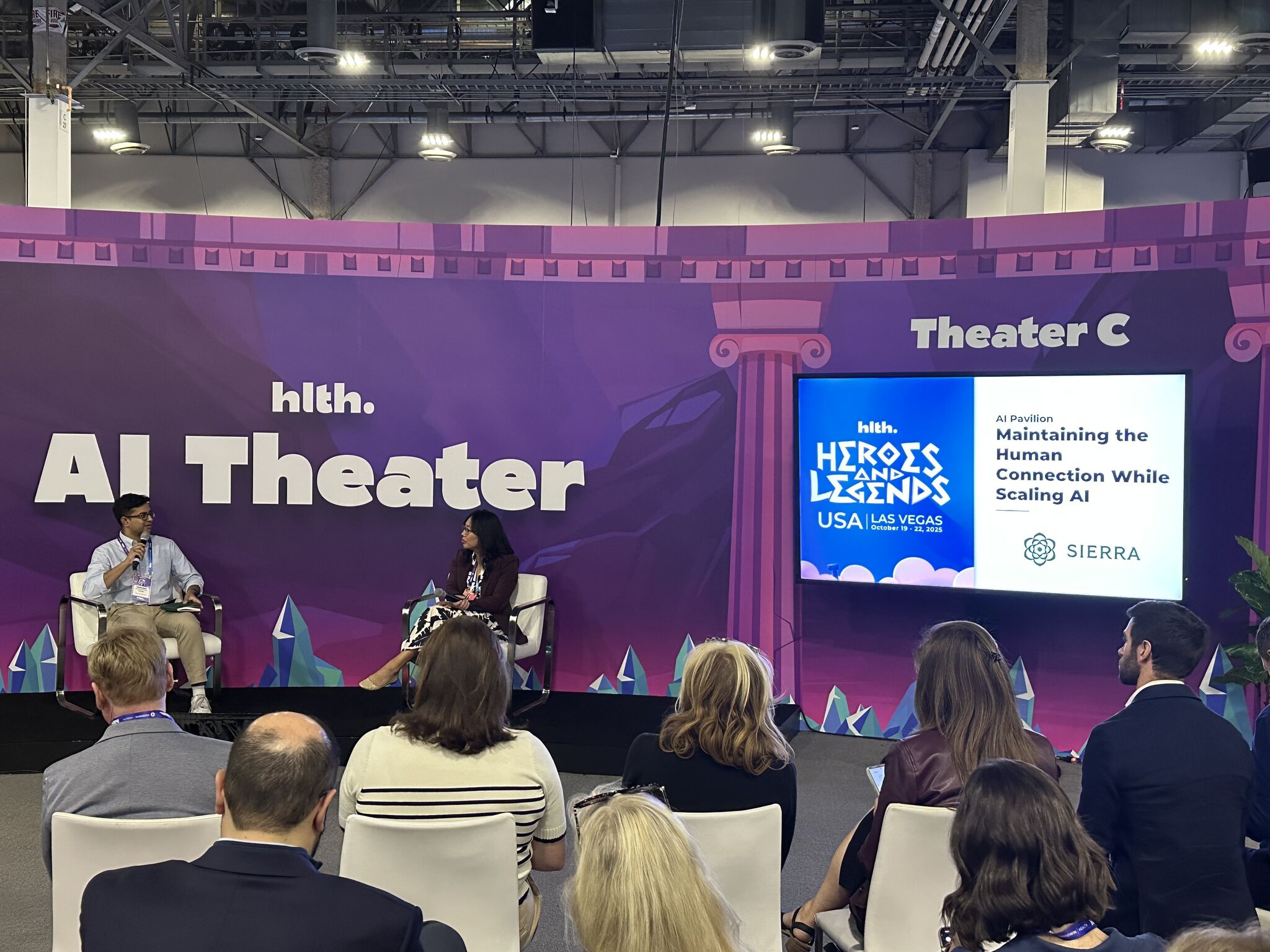
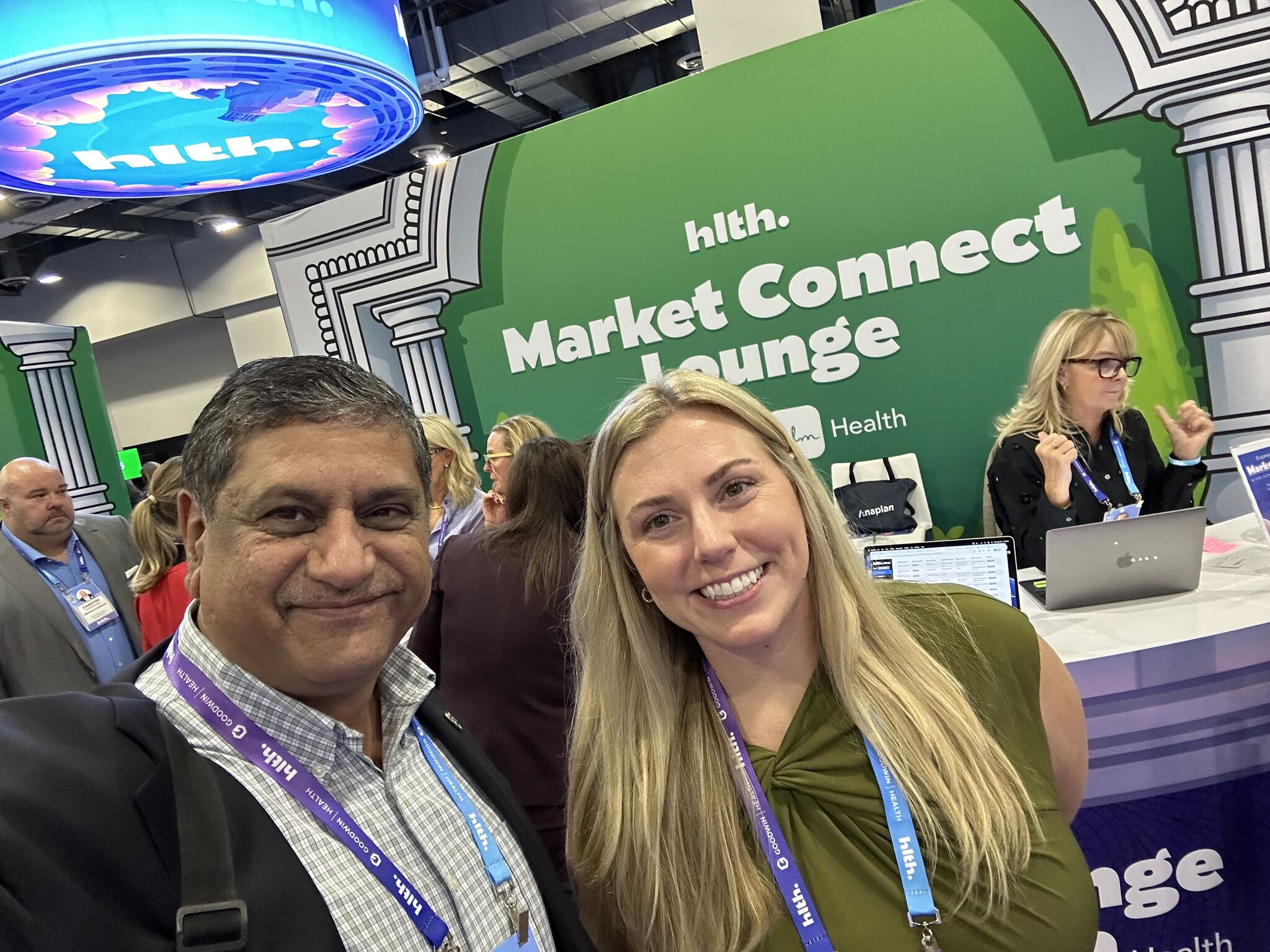
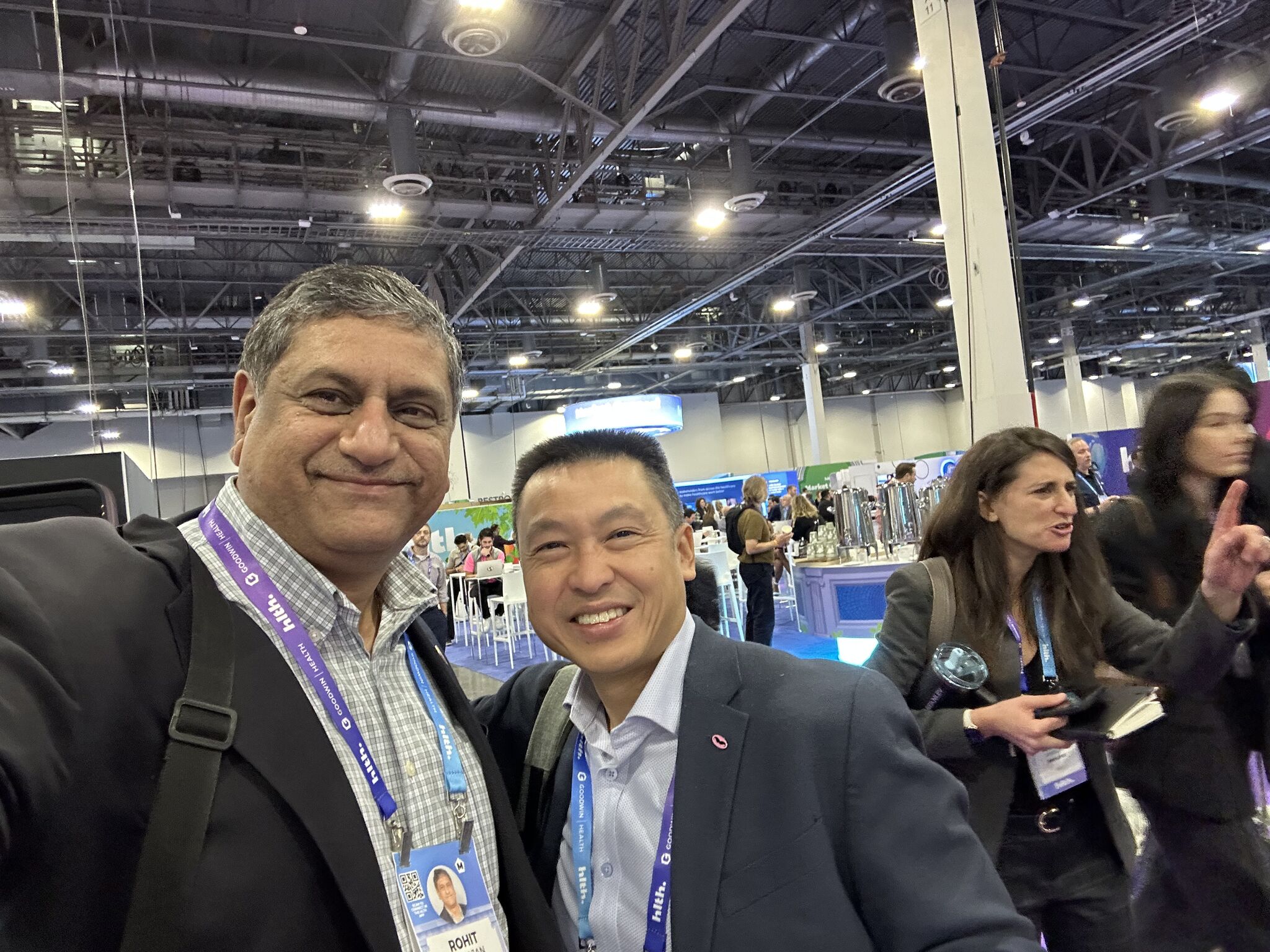
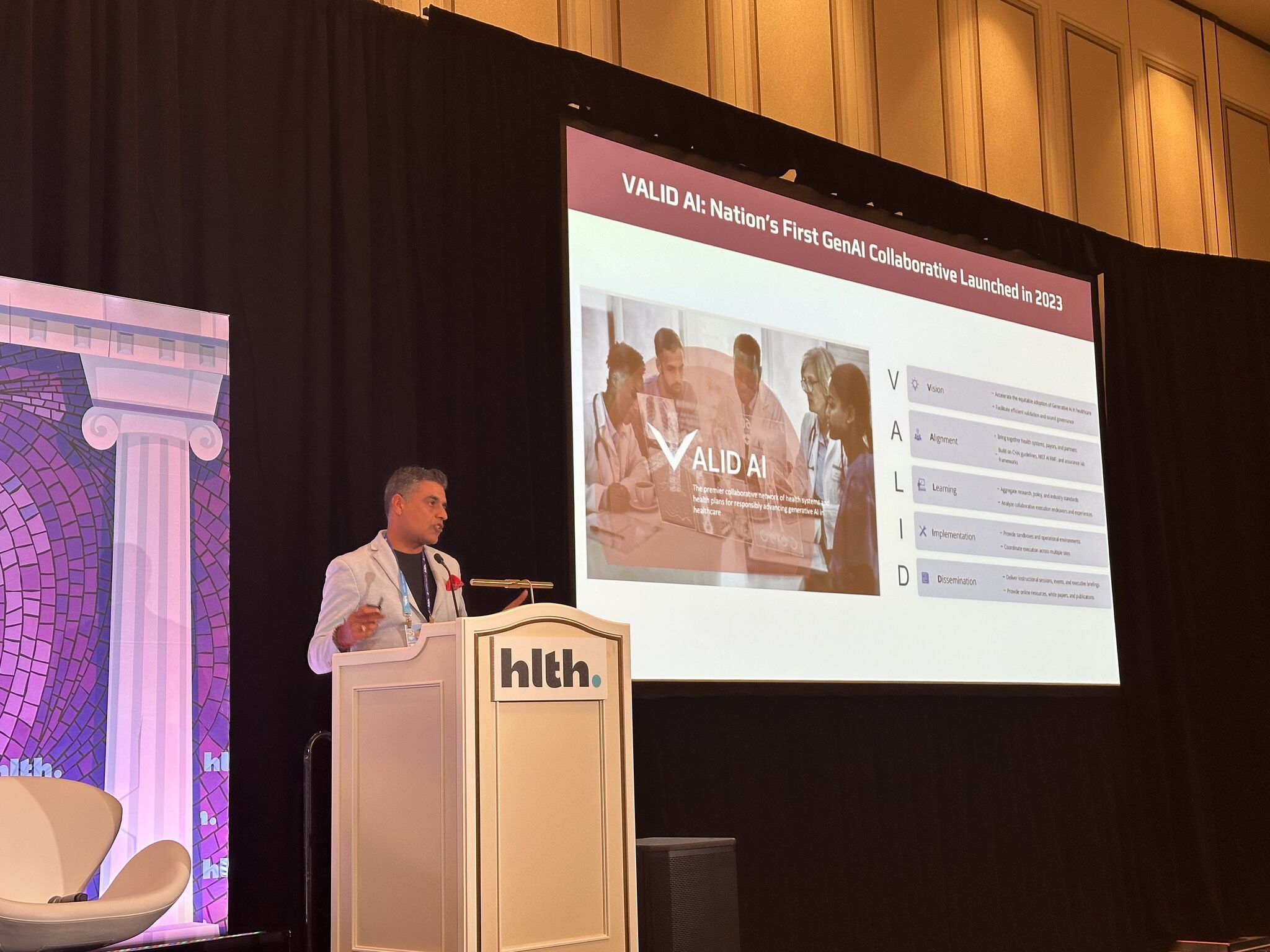
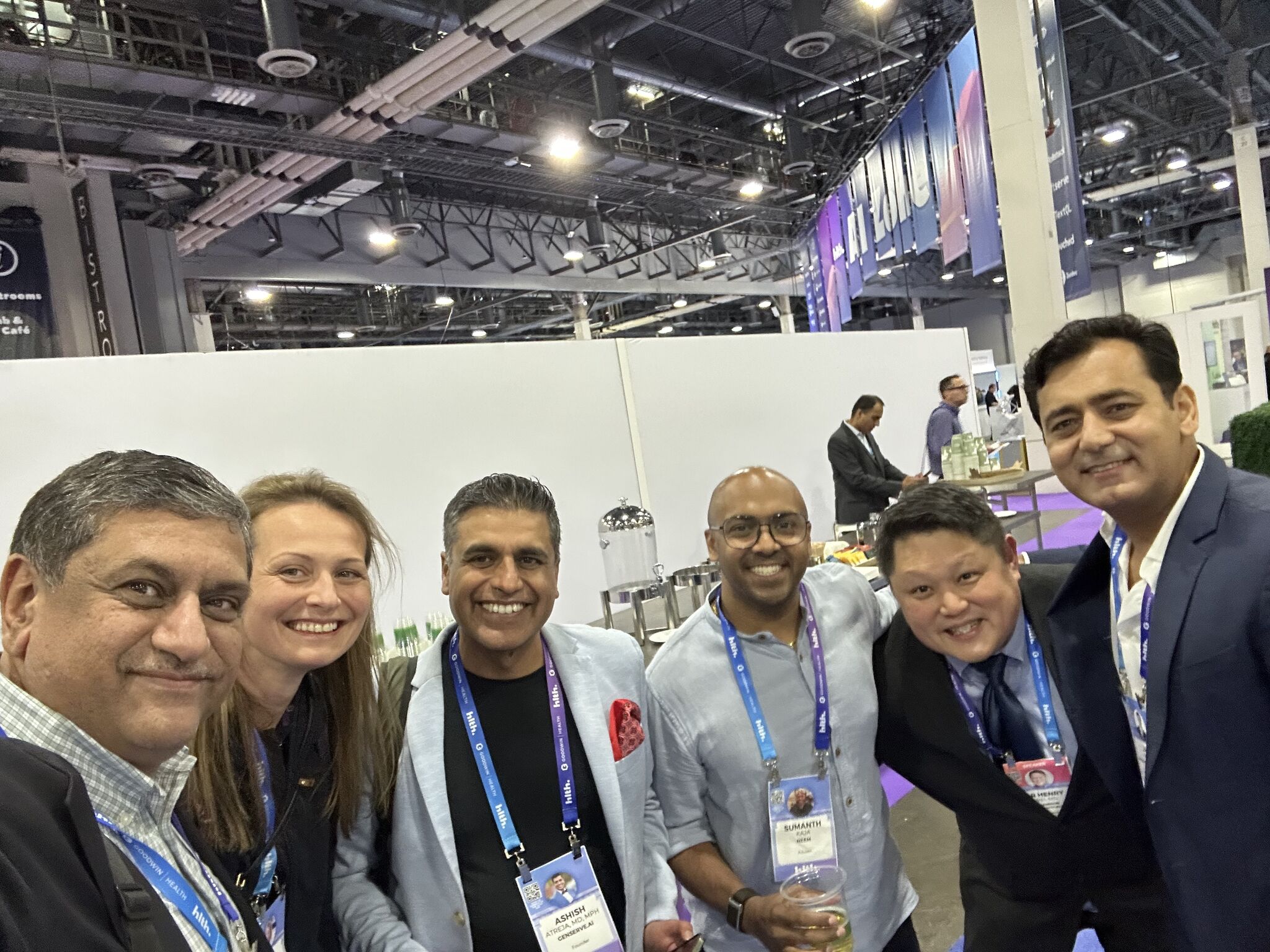
“HLTH brings together the brightest minds in healthcare to drive real-world transformation through AI, data, and workflow innovation. The energy, collaboration, and actionable insights here are truly reshaping the future of care at scale.”

– Rohit Mahajan, Co-host of The Big Unlock Podcast

Through The Big Unlock Podcast, I will be interviewing many of these incredible minds on-site, gathering firsthand stories about the challenges, successes, and breakthroughs shaping the AI-powered future.

Event Gallery

HIMSS 2026 Dispatch: Day 2 Reflections from the Floor

HIMSS 2026 Dispatch: Day 2 Reflections from the Floor

HIMSS 2026 Dispatch: Day 2 Reflections from the Floor

By Ritu M. Uberoy

Co-Host, The Big Unlock Podcast

Our second day at HIMSS 2026 continued the incredible momentum we felt on Day 1. As part of our ongoing HIMSS blog series, it has been energizing to see how many conversations across the conference are centered on the same themes we explore regularly on The Big Unlock Podcast—AI adoption, operational transformation, and the evolving role of technology in healthcare.

Day 2 delivered exactly what makes HIMSS such an important gathering for the industry: meaningful encounters, thoughtful discussions, and a shared sense that healthcare transformation is accelerating.

A Memorable Moment: Meeting Judith Faulkner

One of the most memorable moments of the day was meeting Judith Faulkner during a book signing at the Taylor & Francis Group bookstore.

For anyone working in healthcare IT, Judith Faulkner has had a profound impact on how digital health infrastructure has evolved over the past several decades. Through Epic Systems, she helped shape the electronic health record landscape that today supports clinical operations at many of the world’s leading health systems.

Meeting her was a special moment—one of those instances where you’re reminded that the digital transformation of healthcare has been built through years of vision, persistence, and innovation from leaders who pushed the industry forward.

Conversations That Reflect an Industry Shift

Beyond that highlight, Day 2 was packed with conversations across the exhibit halls and meeting spaces. What stood out most was how consistently the dialogue is evolving.

Just a few years ago, the focus at HIMSS was heavily centered on data infrastructure and interoperability. Today, the conversations are increasingly about how that data is being activated through AI to drive measurable operational and clinical outcomes.

Several themes surfaced repeatedly:

AI is moving beyond experimentation.
Health systems are increasingly looking to operationalize AI solutions across care delivery and administrative workflows.

Workflow integration is critical for scale.
AI tools that live outside core clinical systems rarely gain traction. The industry is now focused on embedding intelligence directly into workflows.

Automation is becoming operational.
From patient engagement and care coordination to revenue cycle and clinical documentation, organizations are exploring how AI can actively execute tasks—not just generate insights.

These themes echo many of the conversations we’ve had with healthcare leaders on The Big Unlock Podcast. Across nearly 200 episodes, one lesson has remained consistent: technology creates value when it improves workflows and enables care teams to focus on patients.

The Big Unlock Conversations at HIMSS

It was also wonderful to meet several podcast listeners and past guests throughout the day.

For those unfamiliar, The Big Unlock Podcast explores how healthcare leaders are driving digital transformation across health systems, payers, digital health companies, and life sciences organizations. Each conversation focuses on real-world experiences—what worked, what didn’t, and what others can learn.

At HIMSS, many attendees shared that they rely on the podcast to stay connected to emerging trends in healthcare AI, digital health, and innovation. Hearing that kind of feedback is incredibly rewarding for our team.

If you’re attending HIMSS this week and have a story about how your organization is implementing AI, advancing digital transformation, or tackling complex operational challenges, we would love to connect and potentially feature you on an upcoming episode.

AI, GenAI, and the Next Phase of Healthcare Transformation

Another clear takeaway from Day 2 is how rapidly the AI conversation is evolving.

Healthcare organizations are no longer just asking whether to adopt AI. The question now is how to scale it responsibly and effectively across clinical and operational environments.

We’re seeing increasing interest in areas such as:

  • AI-powered patient engagement and outreach
  • Intelligent clinical documentation and workflow automation
  • Predictive analytics for operational optimization
  • Agentic AI systems that can coordinate tasks across healthcare workflows

This shift—from analytics to AI-powered execution—represents a meaningful turning point in the industry.

Why HIMSS Still Matters

One of the things I appreciate most about HIMSS each year is that the most valuable insights often come from informal conversations rather than formal presentations.

The hallway discussions, quick introductions, and spontaneous meetings often spark the most interesting ideas. Day 2 was filled with exactly those moments—reconnecting with colleagues, meeting new innovators, and hearing firsthand how organizations are tackling some of healthcare’s most complex challenges.

Despite the scale of the conference, there is a real sense of community here. Everyone is working toward the same goal: improving healthcare through better technology, smarter processes, and stronger collaboration.

On to Day 3

As our HIMSS blog series continues, I’m looking forward to another day of learning, connecting, and capturing insights from leaders shaping the future of healthcare.

If you’re here at HIMSS 2026, please stop us if you see Rohit Mahajan or me—we’d love to meet you. And if you have a story worth sharing about AI, digital transformation, or healthcare innovation, let’s talk.

More reflections from the HIMSS floor coming soon as we move into Day 3.

“HLTH brings together the brightest minds in healthcare to drive real-world transformation through AI, data, and workflow innovation. The energy, collaboration, and actionable insights here are truly reshaping the future of care at scale.”

– Rohit Mahajan, Co-host of The Big Unlock Podcast

Through The Big Unlock Podcast, I will be interviewing many of these incredible minds on-site, gathering firsthand stories about the challenges, successes, and breakthroughs shaping the AI-powered future.

Event Gallery

HIMSS26 Day 1: The Energy of AI-Driven Healthcare Transformation

HIMSS26 Day 1: The Energy of AI-Driven Healthcare Transformation

HIMSS26 Day 1: The Energy of AI-Driven Healthcare Transformation

By Ritu M. Uberoy

Co-Host, The Big Unlock Podcast

There’s something special about the first day at HIMSS Global Health Conference & Exhibition 2026. The moment you step onto the floor, you can feel the collective energy of thousands of healthcare leaders, innovators, clinicians, and technologists all focused on one question: How do we transform healthcare through technology?

This year’s conference, taking place March 9–12 in Las Vegas, has brought together the global health IT ecosystem—from providers and payers to startups, investors, and technology companies—creating an unparalleled environment for learning, collaboration, and discovery.

AI Is Moving from Insight to Action

One of the dominant themes today has been the evolution of AI in healthcare—from tools that simply generate insights to technologies that actually execute workflows and drive outcomes.

Across sessions and conversations, leaders are asking practical questions:

  • How do we operationalize AI within clinical and administrative workflows?
  • How do we move from pilots to enterprise adoption?
  • How can AI augment—not replace—healthcare professionals?

This is where we’re seeing a new generation of technologies emerge—AI agents and automation platforms that actively participate in care coordination, patient engagement, and operational processes.

The conversation is shifting from “What can AI analyze?” to “What can AI actually do?”

The Rise of Intelligent Healthcare Operations

Another clear takeaway from Day 1 is that health systems are under enormous pressure to do more with less—address workforce shortages, improve access, and reduce administrative complexity.

Technology leaders are increasingly exploring solutions that:

  • Automate patient outreach and engagement
  • Improve operational efficiency across clinical workflows
  • Enable data-driven decision making
  • Support scalable digital transformation initiatives

In many ways, HIMSS has always been about the intersection of healthcare, technology, and operational transformation—but this year the urgency feels stronger than ever.

Healthcare organizations are not just exploring digital transformation anymore.

They are actively building AI-powered operating models.

Why HIMSS Still Matters

One of the reasons HIMSS remains such a powerful gathering is the sheer scale of collaboration it enables.

The conference brings together tens of thousands of health IT professionals, executives, innovators, and solution providers, along with hundreds of educational sessions and technology showcases. 

But beyond the sessions and the expo floor, what makes this event truly valuable are the conversations happening in hallways, networking events, and spontaneous meetings.

These conversations often spark the ideas that shape the next wave of healthcare innovation.

The Big Unlock Conversations at HIMSS

At The Big Unlock podcast, we’ve spent years speaking with healthcare leaders about the technologies shaping the future of the industry—from AI and data platforms to digital health innovation.

Day 1 at HIMSS has already reinforced a few important themes we’ve been seeing across the market:

  • Generative AI is becoming enterprise infrastructure
  • Agentic AI will power the next generation of healthcare workflows
  • Data platforms and interoperability remain foundational
  • Innovation increasingly requires collaboration between startups and health systems

Many of the most exciting conversations today have centered on how organizations can bridge the gap between cutting-edge AI innovation and real clinical or operational impact.

That’s where companies like BigRio focus—helping healthcare organizations design, build, and scale AI-driven digital solutions that solve real problems.

Looking Ahead to the Rest of the Week

If Day 1 is any indication, HIMSS26 will be a week filled with meaningful conversations about the future of healthcare technology.

I’m particularly excited about:

  • Emerging discussions around AI agents in healthcare
  • Innovations in digital health platforms and data interoperability
  • Conversations with leaders who are actually implementing AI at scale

And of course, connecting with colleagues, partners, and innovators who are all working toward the same goal: building a smarter, more accessible healthcare system.

If you’re attending HIMSS this week, I’d love to connect. These events are where ideas turn into collaborations—and collaborations turn into innovation.

More reflections from HIMSS26 coming soon.

“HLTH brings together the brightest minds in healthcare to drive real-world transformation through AI, data, and workflow innovation. The energy, collaboration, and actionable insights here are truly reshaping the future of care at scale.”

– Rohit Mahajan, Co-host of The Big Unlock Podcast

Through The Big Unlock Podcast, I will be interviewing many of these incredible minds on-site, gathering firsthand stories about the challenges, successes, and breakthroughs shaping the AI-powered future.

Event Gallery

Heading to HIMSS 2026 with The Big Unlock Podcast

Heading to HIMSS 2026 with The Big Unlock Podcast

Heading to HIMSS 2026 with
The Big Unlock Podcast

“HLTH brings together the brightest minds in healthcare to drive real-world transformation through AI, data, and workflow innovation. The energy, collaboration, and actionable insights here are truly reshaping the future of care at scale.”

– Rohit Mahajan, Co-host of The Big Unlock Podcast

Over the years, hosting The Big Unlock Podcast has given us the opportunity to speak with some of the most forward-thinking leaders across health systems, digital health companies, payers, and life sciences organizations. These conversations have explored how emerging technologies—from AI and generative AI to automation and digital platforms—are transforming healthcare delivery and patient outcomes.

HIMSS is one of those rare moments where many of these ideas, conversations, and relationships come together in one place.

Continuing the Conversation at HIMSS

At HIMSS Global Health Conference & Exhibition 2026, Rohit and I are looking forward to meeting healthcare leaders, innovators, entrepreneurs, and technology partners who are shaping the next phase of digital transformation in healthcare.

The themes we often explore on The Big Unlock Podcast—AI adoption, operational transformation, data-driven healthcare, and the rise of intelligent automation—are front and center at HIMSS this year. It’s always energizing to see how quickly the industry continues to evolve and to hear directly from the people building these solutions.

Many of our podcast guests over the years are also part of the HIMSS community, and I’m excited to reconnect with them in person while also meeting new leaders who are pushing the boundaries of what’s possible in healthcare technology.

Let’s Connect at HIMSS

If you’re attending HIMSS Global Health Conference & Exhibition 2026, I would love to connect with you. Whether you’re a longtime listener of The Big Unlock Podcast, a healthcare executive exploring AI and digital transformation, or a founder building the next breakthrough in digital health, please feel free to reach out or stop me if you see me at the conference.

Events like HIMSS remind me why these conversations matter. Innovation in healthcare happens when people come together to share ideas, challenge assumptions, and collaborate on solutions that can truly improve care delivery.

I’m looking forward to an inspiring week of conversations, learning, and new connections.

And if you happen to see Ritu M. Uberoy or Rohit Mahajan at the conference, please do come say hello—we would love to meet you.

See you at HIMSS Global Health Conference & Exhibition 2026!

Through The Big Unlock Podcast, I will be interviewing many of these incredible minds on-site, gathering firsthand stories about the challenges, successes, and breakthroughs shaping the AI-powered future.

Event Gallery

HIMSS26 Day 1: The Energy of AI-Driven Healthcare Transformation

HIMSS26 Day 1: The Energy of AI-Driven Healthcare Transformation

By Ritu M. Uberoy

Co-Host, The Big Unlock Podcast

There’s something special about the first day at HIMSS Global Health Conference & Exhibition 2026. The moment you step onto the floor, you can feel the collective energy of thousands of healthcare leaders, innovators, clinicians, and technologists all focused on one question: How do we transform healthcare through technology?

This year’s conference, taking place March 9–12 in Las Vegas, has brought together the global health IT ecosystem—from providers and payers to startups, investors, and technology companies—creating an unparalleled environment for learning, collaboration, and discovery.

AI Is Moving from Insight to Action

One of the dominant themes today has been the evolution of AI in healthcare—from tools that simply generate insights to technologies that actually execute workflows and drive outcomes.

Across sessions and conversations, leaders are asking practical questions:

  • How do we operationalize AI within clinical and administrative workflows?
  • How do we move from pilots to enterprise adoption?
  • How can AI augment—not replace—healthcare professionals?

This is where we’re seeing a new generation of technologies emerge—AI agents and automation platforms that actively participate in care coordination, patient engagement, and operational processes.

The conversation is shifting from “What can AI analyze?” to “What can AI actually do?”

The Rise of Intelligent Healthcare Operations

Another clear takeaway from Day 1 is that health systems are under enormous pressure to do more with less—address workforce shortages, improve access, and reduce administrative complexity.

Technology leaders are increasingly exploring solutions that:

  • Automate patient outreach and engagement
  • Improve operational efficiency across clinical workflows
  • Enable data-driven decision making
  • Support scalable digital transformation initiatives

In many ways, HIMSS has always been about the intersection of healthcare, technology, and operational transformation—but this year the urgency feels stronger than ever.

Healthcare organizations are not just exploring digital transformation anymore.

They are actively building AI-powered operating models.

Why HIMSS Still Matters

One of the reasons HIMSS remains such a powerful gathering is the sheer scale of collaboration it enables.

The conference brings together tens of thousands of health IT professionals, executives, innovators, and solution providers, along with hundreds of educational sessions and technology showcases. 

But beyond the sessions and the expo floor, what makes this event truly valuable are the conversations happening in hallways, networking events, and spontaneous meetings.

These conversations often spark the ideas that shape the next wave of healthcare innovation.

The Big Unlock Conversations at HIMSS

At The Big Unlock podcast, we’ve spent years speaking with healthcare leaders about the technologies shaping the future of the industry—from AI and data platforms to digital health innovation.

Day 1 at HIMSS has already reinforced a few important themes we’ve been seeing across the market:

  • Generative AI is becoming enterprise infrastructure
  • Agentic AI will power the next generation of healthcare workflows
  • Data platforms and interoperability remain foundational
  • Innovation increasingly requires collaboration between startups and health systems

Many of the most exciting conversations today have centered on how organizations can bridge the gap between cutting-edge AI innovation and real clinical or operational impact.

That’s where companies like BigRio focus—helping healthcare organizations design, build, and scale AI-driven digital solutions that solve real problems.

Looking Ahead to the Rest of the Week

If Day 1 is any indication, HIMSS26 will be a week filled with meaningful conversations about the future of healthcare technology.

I’m particularly excited about:

  • Emerging discussions around AI agents in healthcare
  • Innovations in digital health platforms and data interoperability
  • Conversations with leaders who are actually implementing AI at scale

And of course, connecting with colleagues, partners, and innovators who are all working toward the same goal: building a smarter, more accessible healthcare system.

If you’re attending HIMSS this week, I’d love to connect. These events are where ideas turn into collaborations—and collaborations turn into innovation.

More reflections from HIMSS26 coming soon.

“HLTH brings together the brightest minds in healthcare to drive real-world transformation through AI, data, and workflow innovation. The energy, collaboration, and actionable insights here are truly reshaping the future of care at scale.”

– Rohit Mahajan, Co-host of The Big Unlock Podcast

Through The Big Unlock Podcast, I will be interviewing many of these incredible minds on-site, gathering firsthand stories about the challenges, successes, and breakthroughs shaping the AI-powered future.

Event Gallery

HIMSS 2026 Dispatch: Day 2 Reflections from the Floor

HIMSS 2026 Dispatch: Day 2 Reflections from the Floor

By Ritu M. Uberoy

Co-Host, The Big Unlock Podcast

Our second day at HIMSS 2026 continued the incredible momentum we felt on Day 1. As part of our ongoing HIMSS blog series, it has been energizing to see how many conversations across the conference are centered on the same themes we explore regularly on The Big Unlock Podcast—AI adoption, operational transformation, and the evolving role of technology in healthcare.

Day 2 delivered exactly what makes HIMSS such an important gathering for the industry: meaningful encounters, thoughtful discussions, and a shared sense that healthcare transformation is accelerating.

A Memorable Moment: Meeting Judith Faulkner

One of the most memorable moments of the day was meeting Judith Faulkner during a book signing at the Taylor & Francis Group bookstore.

For anyone working in healthcare IT, Judith Faulkner has had a profound impact on how digital health infrastructure has evolved over the past several decades. Through Epic Systems, she helped shape the electronic health record landscape that today supports clinical operations at many of the world’s leading health systems.

Meeting her was a special moment—one of those instances where you’re reminded that the digital transformation of healthcare has been built through years of vision, persistence, and innovation from leaders who pushed the industry forward.

Conversations That Reflect an Industry Shift

Beyond that highlight, Day 2 was packed with conversations across the exhibit halls and meeting spaces. What stood out most was how consistently the dialogue is evolving.

Just a few years ago, the focus at HIMSS was heavily centered on data infrastructure and interoperability. Today, the conversations are increasingly about how that data is being activated through AI to drive measurable operational and clinical outcomes.

Several themes surfaced repeatedly:

AI is moving beyond experimentation.
Health systems are increasingly looking to operationalize AI solutions across care delivery and administrative workflows.

Workflow integration is critical for scale.
AI tools that live outside core clinical systems rarely gain traction. The industry is now focused on embedding intelligence directly into workflows.

Automation is becoming operational.
From patient engagement and care coordination to revenue cycle and clinical documentation, organizations are exploring how AI can actively execute tasks—not just generate insights.

These themes echo many of the conversations we’ve had with healthcare leaders on The Big Unlock Podcast. Across nearly 200 episodes, one lesson has remained consistent: technology creates value when it improves workflows and enables care teams to focus on patients.

The Big Unlock Conversations at HIMSS

It was also wonderful to meet several podcast listeners and past guests throughout the day.

For those unfamiliar, The Big Unlock Podcast explores how healthcare leaders are driving digital transformation across health systems, payers, digital health companies, and life sciences organizations. Each conversation focuses on real-world experiences—what worked, what didn’t, and what others can learn.

At HIMSS, many attendees shared that they rely on the podcast to stay connected to emerging trends in healthcare AI, digital health, and innovation. Hearing that kind of feedback is incredibly rewarding for our team.

If you’re attending HIMSS this week and have a story about how your organization is implementing AI, advancing digital transformation, or tackling complex operational challenges, we would love to connect and potentially feature you on an upcoming episode.

AI, GenAI, and the Next Phase of Healthcare Transformation

Another clear takeaway from Day 2 is how rapidly the AI conversation is evolving.

Healthcare organizations are no longer just asking whether to adopt AI. The question now is how to scale it responsibly and effectively across clinical and operational environments.

We’re seeing increasing interest in areas such as:

  • AI-powered patient engagement and outreach
  • Intelligent clinical documentation and workflow automation
  • Predictive analytics for operational optimization
  • Agentic AI systems that can coordinate tasks across healthcare workflows

This shift—from analytics to AI-powered execution—represents a meaningful turning point in the industry.

Why HIMSS Still Matters

One of the things I appreciate most about HIMSS each year is that the most valuable insights often come from informal conversations rather than formal presentations.

The hallway discussions, quick introductions, and spontaneous meetings often spark the most interesting ideas. Day 2 was filled with exactly those moments—reconnecting with colleagues, meeting new innovators, and hearing firsthand how organizations are tackling some of healthcare’s most complex challenges.

Despite the scale of the conference, there is a real sense of community here. Everyone is working toward the same goal: improving healthcare through better technology, smarter processes, and stronger collaboration.

On to Day 3

As our HIMSS blog series continues, I’m looking forward to another day of learning, connecting, and capturing insights from leaders shaping the future of healthcare.

If you’re here at HIMSS 2026, please stop us if you see Rohit Mahajan or me—we’d love to meet you. And if you have a story worth sharing about AI, digital transformation, or healthcare innovation, let’s talk.

More reflections from the HIMSS floor coming soon as we move into Day 3.

“HLTH brings together the brightest minds in healthcare to drive real-world transformation through AI, data, and workflow innovation. The energy, collaboration, and actionable insights here are truly reshaping the future of care at scale.”

– Rohit Mahajan, Co-host of The Big Unlock Podcast

Through The Big Unlock Podcast, I will be interviewing many of these incredible minds on-site, gathering firsthand stories about the challenges, successes, and breakthroughs shaping the AI-powered future.

Event Gallery

HIMSS 2026 Dispatch: Day 3 Reflections from the Floor

HIMSS 2026 Dispatch: Day 3 Reflections from the Floor

By Ritu M. Uberoy

Co-Host, The Big Unlock Podcast

By the third day, a familiar rhythm begins to set in. The early-morning sessions, the steady flow of meetings, spontaneous hallway discussions, and those quick but meaningful connections that often lead to bigger ideas later.
And yet, the energy across HIMSS still feels as strong as Day 1.

The Power of Community at HIMSS

One of the most rewarding aspects of the day was continuing to meet people who recognize and follow The Big Unlock Podcast.

Over the years, the podcast has become a platform for conversations with healthcare leaders about digital transformation, AI adoption, and the realities of implementing innovation inside complex health systems. The goal has always been simple: learn directly from those building the future of healthcare and share those insights with the broader community.

At HIMSS, it’s incredibly gratifying to hear attendees say that the podcast helps them stay connected to what leaders across health systems, payers, and digital health companies are actually doing—not just what they are planning.

Several people also reached out expressing interest in joining us for Season 7, which is always exciting. HIMSS truly is one of the best places to discover new voices and fresh perspectives for the podcast.

AI Conversations Continue to Dominate

If there is one theme that has consistently dominated conversations throughout HIMSS 2026, it is artificial intelligence.

But the tone of the conversation has evolved.

Healthcare leaders are no longer just discussing the potential of AI—they are focusing on how to operationalize it at scale across clinical and operational workflows. Across the conference, discussions have centered on enterprise AI deployments, automation across hospital operations, and governance frameworks to ensure responsible adoption. 

In many ways, the industry appears to be moving beyond the hype cycle. Leaders are asking practical questions:

  • How do we integrate AI into clinical workflows without adding friction?
  • How do we govern AI responsibly while maintaining innovation speed?
  • How do we ensure AI actually reduces administrative burden for clinicians?

Those questions reflect a broader shift happening across healthcare. The focus is no longer simply about what AI can do, but about how it can create measurable impact inside real care environments

From AI Insights to AI Execution

Another theme emerging strongly this year is the rise of agentic AI systems—AI tools that can execute tasks across healthcare workflows rather than simply generating insights.

For example, new technologies showcased at HIMSS are exploring how AI agents can coordinate tasks across the revenue cycle, helping automate complex administrative processes. 

This represents a significant shift in how healthcare organizations think about automation. Instead of using AI solely for analytics or decision support, many organizations are exploring how intelligent systems can actively participate in operational processes—from patient engagement to clinical documentation to financial workflows.

It’s a trend that aligns closely with many of the conversations we’ve had on The Big Unlock Podcast with healthcare CIOs, CMIOs, and digital leaders.

Transformation Requires More Than Technology

Another important point that surfaced repeatedly during discussions at HIMSS is that technology alone will not transform healthcare.

Leaders emphasized that successful AI adoption requires workflow redesign, workforce engagement, and organizational change—not just new tools. 

In other words, healthcare transformation is as much about process and people as it is about technology.

That insight resonates deeply with what we hear from digital leaders across the industry. The organizations that succeed with AI are the ones that approach it not as a technology project, but as a strategic transformation initiative.

The Value of Conversations Between Sessions

One thing I’ve learned over the years attending HIMSS is that some of the most valuable insights come outside the official sessions.

Day 3 was full of those moments—quick introductions that turned into longer conversations, reconnecting with past podcast guests, and meeting innovators working on fascinating new ideas in digital health.

These interactions are what make HIMSS special. With tens of thousands of healthcare leaders gathered in one place, the conference becomes a powerful forum for sharing ideas and accelerating collaboration across the industry. 

Looking Ahead

As we move toward the final day of HIMSS 2026, I’m reflecting on how much the conversation around healthcare technology has matured.

AI is no longer just an exciting possibility. It is rapidly becoming a core capability that health systems are actively integrating into care delivery, operations, and patient engagement.

At the same time, the industry is becoming more thoughtful about governance, trust, and responsible implementation—ensuring that innovation ultimately benefits both clinicians and patients.

Until next time at HIMSS27, signing off here as Ritu M. Uberoy. And if you have a story about digital transformation, AI implementation, or healthcare innovation, do get in touch with us. At The Big Unlock Podcast we would love to hear it—and maybe feature you on a future episode.

“HLTH brings together the brightest minds in healthcare to drive real-world transformation through AI, data, and workflow innovation. The energy, collaboration, and actionable insights here are truly reshaping the future of care at scale.”

– Rohit Mahajan, Co-host of The Big Unlock Podcast

Through The Big Unlock Podcast, I will be interviewing many of these incredible minds on-site, gathering firsthand stories about the challenges, successes, and breakthroughs shaping the AI-powered future.

Event Gallery

Turning AI Hype into Healthcare Execution

Season 7

Episode 197 - Podcast with Aditya Bansod, CTO & Co-Founder, Luma Health - Turning AI Hype into Healthcare Execution

The Big Unlock
The Big Unlock
Turning AI Hype into Healthcare Execution
Loading
/

In this episode, Aditya Bansod, CTO and Co-Founder of Luma Health, discusses why healthcare AI often underdelivers, and what leaders must do to turn promise into performance.
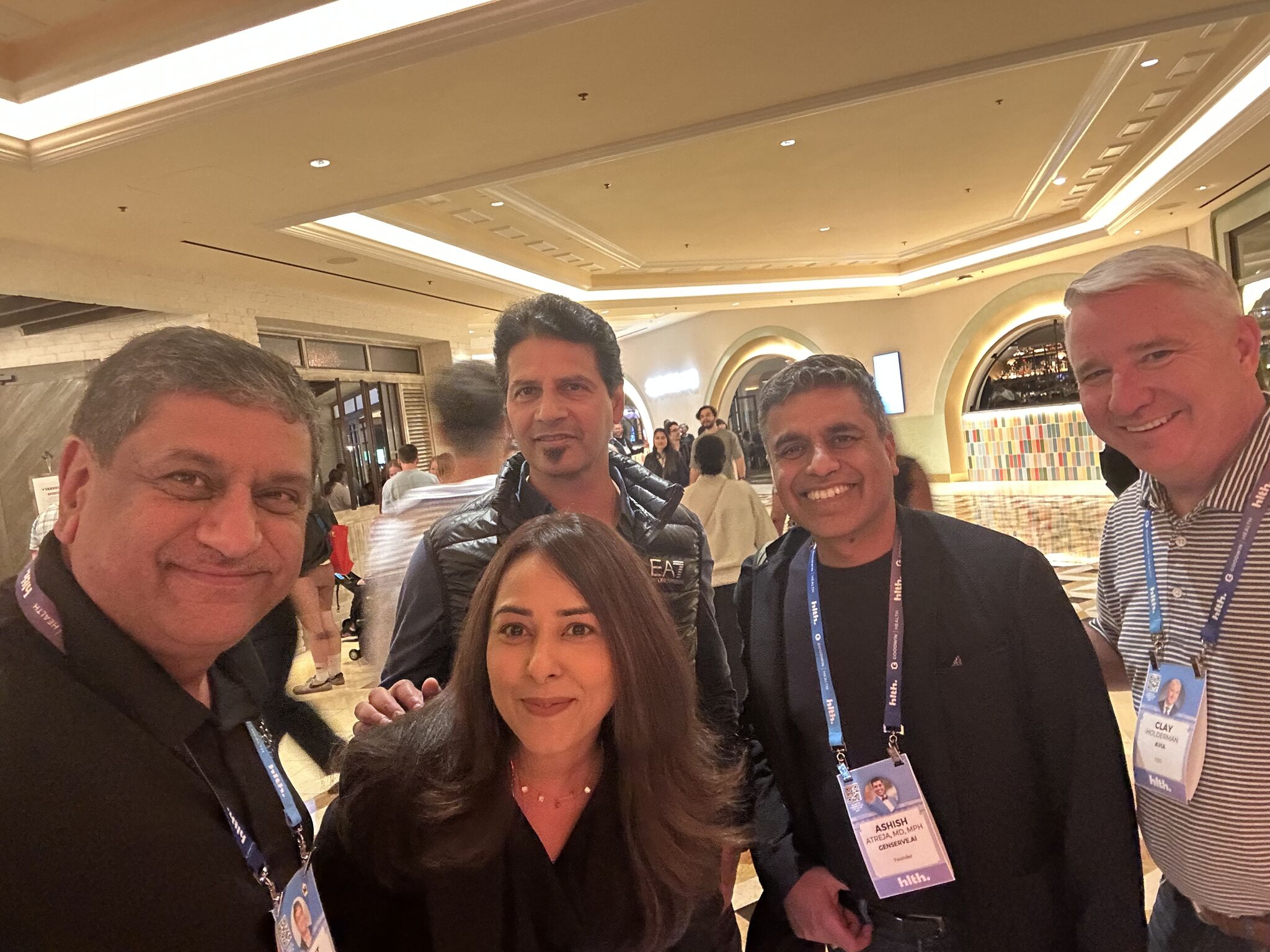
Aditya argues that AI’s challenge in healthcare isn’t ambition, but execution. While new tools are emerging rapidly, most remain point solutions that fail to integrate into the complex workflows that move patients from scheduling to care delivery. True impact, he says, depends on orchestrating the “last mile” of healthcare, referrals, intake, documentation, and the countless operational handoffs that determine whether care actually happens.

He shares how Luma approaches AI adoption with flexible guardrails, allowing health systems to calibrate automation based on confidence thresholds and maturity. The conversation also explores the rise of agentic AI, the tension between human-in-the-loop oversight and autonomy, and why CIOs are navigating a messy but necessary consolidation phase.

Looking ahead, Aditya is optimistic that AI will transform patient access and engagement, only if it’s deeply embedded into workflows, not layered on top of them. Take a listen.

About Our Guest

Aditya Bansod is CTO and co-founder of Luma Health. With a lifelong passion for building software, Bansod leads Luma Health’s technical vision and strategic direction for building a platform that empowers healthcare providers to better serve their patients and improve healthcare outcomes. With over 15 years of experience as a product management leader developing mobile solutions at Adobe and Microsoft, and at venture-backed start-ups, Bansod made the transition from B2B software solutions to healthcare in 2015 in order to have a meaningful and measurable impact on how providers use mobile technologies to engage with and communicate with their patients.


Charles: I am Chuck Christian. I’m the Vice President of Technology and CTO for Franciscan Health. Franciscan is a 12 or 13 hospital system, depending on how you count them. We cover a swath of the Midwest from just south of Indianapolis all the way to Chicago, basically following the I-65 corridor.

We have between 350 and 400 locations, including physician practices, imaging centers, lab draws, urgent cares, and oncology centers. It’s a pretty large organization. We have about 29,000 team members, both employees and contractors, at Franciscan Health.

We are truly mission focused. We are a Catholic healthcare system with a big C. We are owned by the Sisters of St. Francis of Perpetual Adoration. That means there are two sisters in the chapel praying for whatever they deem important and anything we ask them to pray for, 24 hours a day, seven days a week, 365 days a year. That’s where the “perpetual adoration” comes in.

We are a mission-driven organization. I believe in that. A lot of our hospitals are smaller and in underserved places, and we take care of that patient population. I think we’re really good at it.

I’ve known this organization almost 40 years. The CIO previous to Charles, who is our current COO, was a good friend of mine. I was CIO of a hospital in Southern Indiana for 24 years, and Bill and I ran a similar software stack. I watched Bill and learned a lot from him as far as how he ran this large organization.

I’ve been here for six years. I joined in April of 2019, so in dog years that’s like 35 years or more. We are very busy. I’m very blessed to have an outstanding team that manages all this, and I get to stand in awe and watch everything we accomplish every day.

Rohit: That’s fabulous. Thank you, Chuck for that intro.

Ritu: My name is Ritu Roy, and I’m the Managing Partner here at Damo and BigRio, and also the co-host of The Big Unlock podcast with Rohit. Thank you for being our guest today, Chuck. We are looking forward to an engaging and insightful conversation. With that, we can dive right in and get started.

Charles: Thank you.

Rohit: Hi Chuck. I’m Rohit Mahajan. I’m the Managing Partner and CEO at BigRio and Damo Consulting. It’s great to have you on the podcast. Like Ritu said, we’re looking forward to an engaging discussion. I’d like to start with the first thought on my mind. You’re in a mission-driven organization, and you’ve been a healthcare leader for many years. What started you on this journey? Tell us how you got started in healthcare, what attracted you, and what you’re passionate about.

Charles: Well, it depends on how far back you want to go. I’m an X-ray tech, radiologic technologist if you want to use the term. The first 14 years of my career were in radiology.

I stepped out of high school on June sixth in 1971, and on June seventh I stepped into the hospital, and I haven’t left since. Interesting enough, I did a lot of things in the radiology department and became part of the management team of that department. I guess if the chief tech had not been just a few years older than me, I’d still be there, because that was the role I wanted. But Roy just retired a few years ago, and I wasn’t going to wait that long.
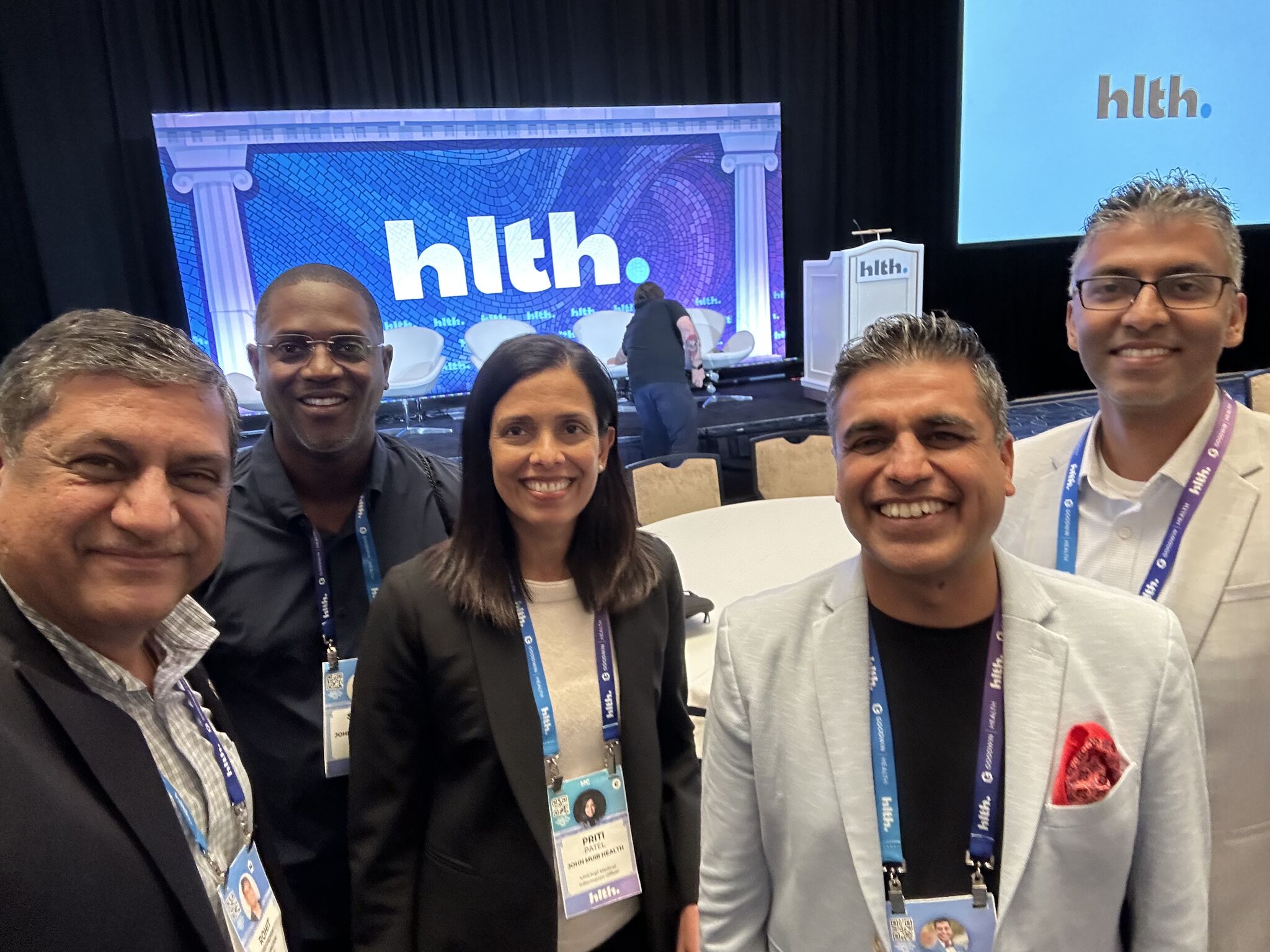
I’m a geek, I’m a nerd. I was a nerd in high school. It wasn’t cool to be a nerd in high school back then, but it’s cool to be a nerd now. I did a lot of programming classes on the old System Threes with punch cards. Then I learned how to code for Z80 processors.

When we started automating hospitals back in the mid-eighties, I got chosen to run the ambulatory implementation of order management after we had put in patient management. I realized I liked it, and I knew that was where healthcare was going. Radiology has been a high-tech department in hospitals for a long time. I was trying to automate the patient record in radiology, but it was so expensive I couldn’t get any funding for it.

So I jumped ship and moved over to the vendors for about five years. Eventually I was asked to move to either an implementation manager role or the director of an outsourced IT department in southern Indiana. I did that. I had four daughters at the time, and it was the right thing to do because it was a great place to raise my girls.

I spent 24 years there. It was during the time the role of a healthcare CIO was defined. When I left that job, I was Vice President and CIO. I moved to Georgia to a health system there as Vice President and Chief Information Officer. Then I came back to Indiana and worked at the Indiana Health Information Exchange, which is now the only exchange in Indiana. I had been involved with it since 2005. I worked there for a little over four years, and then I took this role here. That’s my stint in healthcare, which has spanned over 50 years.

Rohit: That’s awesome, Chuck. You’ve been there, done it, and seen it as well. I was curious because a few days ago, when we were chatting, you were talking about being either back from UGM or about to go there.

We all know it’s a week-long affair, people go deep, and there are so many things to cover. We were wondering if you could share some of your experiences or a heads-up on topics you see coming our way.

Charles: Sure. I came home with a great deal of anxiety because of trying to figure out how we’re going to do everything and where healthcare is going. The nice thing about Epic is they now cover the entire gambit. I remember when Epic started; they were only in the ambulatory space and then only in large academic medical centers. They cover quite a scope of product these days.

Now that they have grown the applications, they have de-identified shared data, which I think is going to be a plus. The two-letter acronym was everywhere, AI, and how it’s going to be leveraged and used. They did a nice job showing scenarios of how it could be used and how organizations are using it.

We’re a risk-averse organization. We’re taking a more moderated approach. We’re getting our governance in place first. We already have a few things going through the AI mill, and we will have more. We split it into two pieces, one on the clinical side and one on the operational side. Epic has both, and I think they’re well positioned to do that work. They partner with Microsoft, and they continue to do so.

They announced they are working on their own ambient listening. They have business partners already, but they are creating their own product. I assume it will be predicated on the Microsoft stack, but they didn’t say, so I don’t know.

They also mentioned they are working on their own ERP and starting with workforce management. That makes sense because the workforce is in Epic all the time. Nursing staffing, scheduling, shifts, and how all that ties together. It’s an interesting leap.

Years ago, when Lawson, before being purchased by Infor, said they would create a patient accounting platform, I was in a CHIME focus group. When they mentioned that, a bunch of CIOs in the room asked why they would do that. You need to get your ERP right first. But I think the way Epic is approaching it makes sense.

It was great. I was there for about four days and spent most of the time listening to presentations. Judy did a great job with a big screen about what’s next and what’s coming. The rest of her team did a great job showing what you can do now and what’s coming. They do a good job setting expectations around timelines. They release quarterly. We do two a year, so we’re current from their perspective but behind. We don’t have the wherewithal to immediately adopt everything when they release it, so we have to plan accordingly.

Ritu: Yeah. So Chuck, when I was reading about the UGM, it was interesting because they said their unique proposition with AI is the de-identified patient records they have in Epic Cosmos, which is more than 15 billion patient records. They said that for the first time, it can actually move toward healthcare rather than sick care because doctors can predict trends. And I think they released two new things called Emmy and Penny, which will help doctors see the trajectory of what is going to happen with patients.

So I was curious about your thoughts because you’ve been in this industry for such a long time. Do you think that this USP—this huge bank of patient records—is really going to set them on a differentiating path compared to all the other AI startups trying to do the same thing?

Charles: I think that having the data is huge, honestly. It reminded me a lot of—if you remember years ago—they had a thing called PatientsLikeMe, where people with unique and rare diseases could find others and compare notes and treatment approaches. Working at the Indiana Health Information Exchange, I know they have about 30 years of data. Not all of it is discrete, but the majority is.

One question I asked the CEO, who is a friend of mine—and a lot of researchers use that de-identified data—is that when you create an AI model and just let it learn, there are all kinds of interesting determinations you can make once you have the data. So I think it’s going to be a game changer. Epic is also trying to outdo themselves. Given the market of EHR vendors, there aren’t many left standing. There are three or four. Others are creating similar repositories, but I’m not sure they have the long-term vision or the wherewithal to get it done. Knowing the talent Judy has pulled together, I think it will be very interesting to see what comes down the pike.

Ritu: Thank you.

Rohit: Chuck, you mentioned you’re taking a conservative approach to AI adoption and setting governance before taking major steps. How do you think about innovation or typical problem-solving—for example, reducing cognitive load across the organization? How do you balance this conservative approach with the fast-paced changes happening in the marketplace?

Charles: I think we have to be very clear about what problem we’re trying to solve. There are so many solutions being thrown at us—“Hey, we can do this, we can do that”—but often it’s not a problem we actually have. So we’re trying to pick and choose which targets to shoot at.

I’m married to a critical care nurse, so I’m very careful about getting in the way of the nursing staff. She’s retired, but for me, technology needs to be invisible. If it gets in the way of people being able to do their job, then it’s a problem.

If you think about it for a minute—and I’ll give you Chuck’s opinion—we don’t really have electronic medical record systems for documenting the care of the patient. What we have are electronic systems that capture information required for billing. That’s part of the problem. We have all these required elements clinicians have to document—physicians have to dot all the i’s and cross all the t’s—to get the appropriate words in so it can be translated into billing codes, ICD-10 codes, HPS codes, and so on. It truly gets in the way of taking care of patients.

But once we get that discrete data, we can use AI and other tools to help determine a better course of treatment. You’re never going to hear me say that we should depend solely upon AI. It has to be moderated and reviewed by someone with clinical training. Physicians have shown me I’ve been wrong more times than you can imagine. Working together and having good data aggregation is important.

One thing I learned early on when implementing the first physician order entry and clinical documentation systems was that physicians said: “Don’t tell me what I already know. Tell me what I don’t know. Better yet, tell me what I need to know about the patient in front of me right now.” There are things they don’t know. That’s where data aggregation from health information exchanges helps, because patients don’t get care in one location or from one physician.

I’m living proof of that. I get care in two—actually three—health systems because that’s where my specialists are. My primary care doctor wants to know what my orthopedist did or what my cardiologist’s course of treatment is, because he’s managing my diabetes and a few other things. Having access to information—recent labs, imaging studies—is extremely important.

We talked about interoperability, and that’s where it comes into play. Most hospitals in Indianapolis are on Epic, so you can get data easily. From non-Epic systems, there are mechanisms too. When I see my cardiologist—who uses a different system—and he already knows what my medications are because they were recently changed by another physician, that’s positive. I don’t have to list everything. When they know my latest labs, that’s positive too, because we’re not hunting for information.

It’s about providing information that is important to the treatment at that moment.

I had the privilege of sitting in a presentation—maybe eight or nine years ago—at Scripps Institute. They showed a demo of what a patient encounter could be. It was very Star Trek–like. The computer or AI interacted with the physician and patient appropriately. It listened in the background and captured information about the encounter. When the physician said, “We need to order a CT scan of your lower abdomen,” it was already getting that scheduled. When the patient was ready to leave, everything was set. It was also checking for recent labs and reminding the physician if the patient—say a diabetic—was due for an eye exam or foot check.

I think it’s about having access to the information so we can inform—not determine but inform—the physicians. Because at the end of the day, physicians are accountable for the outcomes. They have to be in control, not the AI.

Ritu: Yeah,

Charles: we’re not ready for Skynet yet.

Ritu: I think you described a multi-agent system where the agents are off doing things and then bringing it all back for the physician to review. With that being said, we all know that AgTech is one of the top trends everyone’s talking about these days. What are your thoughts on voice agents? Where is Franciscan with that? Have you had exposure to or tried voice agents in the hospital?

Charles: Yeah, we’ve got a trial. We’ve got over 200 physicians working on those. Is it going to be the end-all, be-all? I don’t know. The physicians seem to like it. It assists them; it helps with their pajama time.

I’ve listened to conversations from other health systems that were early adopters, and I have to go back in time to when we were looking at automating physician practices in Southern Indiana. We visited a group of 14 family practice doctors. The husband and wife who started the practice mostly did OB and family medicine. Their use of computers was minimal—they were still mostly on paper. But they had other physicians who, I think, slept with their laptops.

The interesting thing was that depending on how well a physician adopted the computer system and molded it to how they practiced, they got to take advantage of it. I think it’s going to be the same with AI and voice agents. If they allow it to help and figure out how to incorporate it into how they think and practice, they’ll see the benefit. The systems are pliable enough now that it’s easier to do.

When I was in Georgia, we needed to automate a lot of OB practices on the same platform. One OB had been practicing almost 30 years and already had a solution he had customized. He told me I would tear it out of his cold, dead fingers. So we worked with him. The new system was more flexible and pliable than his old one, and he became a champion because he was willing to take the time to understand how he could use the technology to help him practice.
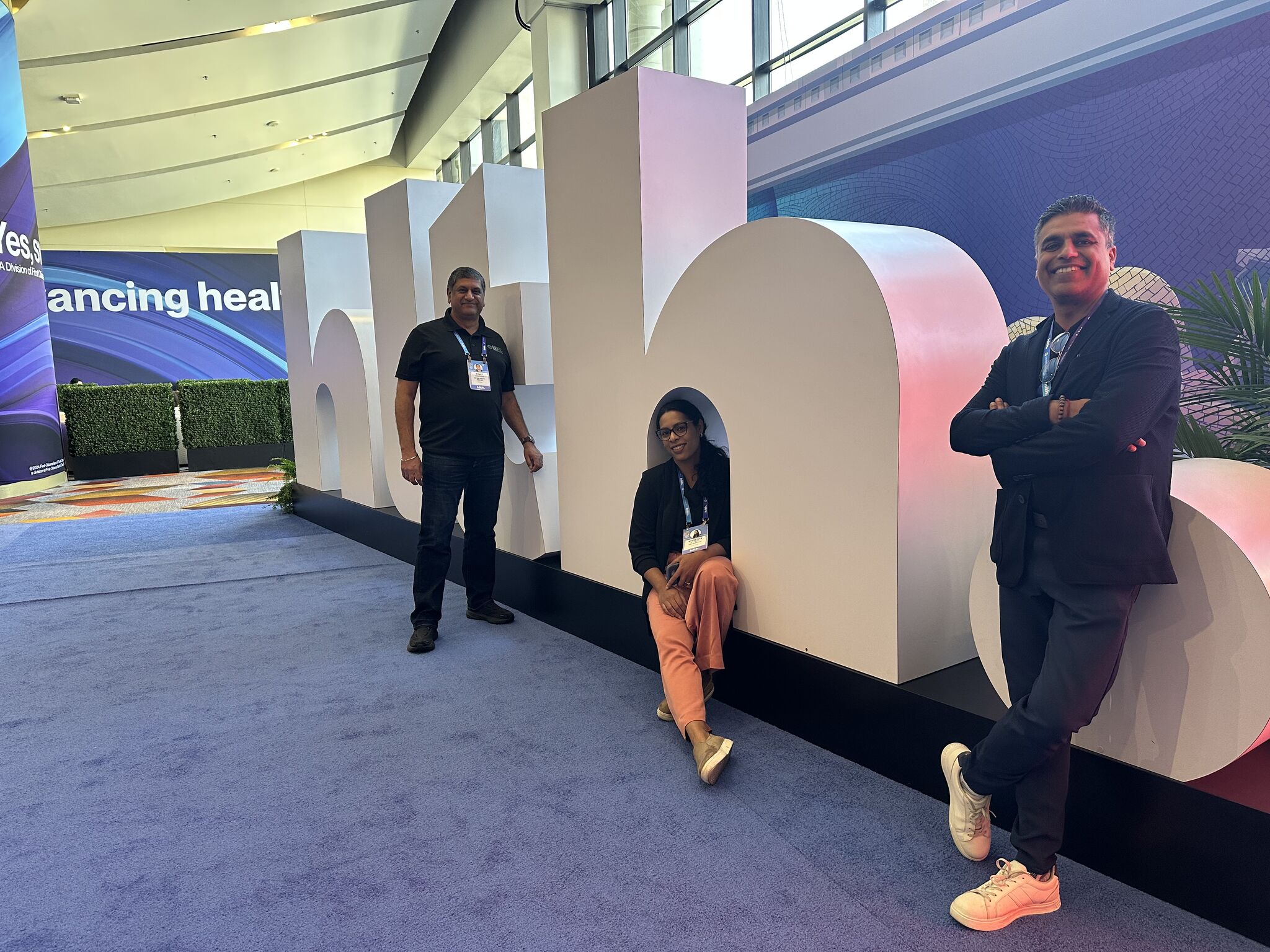
I think that’s the key. If you’re resistant to it, that’s fine—that’s perfectly okay. But people who write software often think all physicians think the same way. They’re absolutely wrong. It depends on where they trained. I learned that when implementing emergency room electronic medical records. The physicians who helped design the software were trained with a very different approach to critical thinking than our physicians. We had to relearn and figure out ways to adjust, because once clinicians are trained a certain way, it’s hard to change those habits and the way they gather and maintain information.

Ritu: Thank you. Great answer.

Rohit: Chuck, I’d like to ask your thoughts about the innovation process. How do you approach it, and what are some of the things you do to foster innovation?

Charles: One of the things we did was stand up a Tech Innovation Lab. Honestly, it was a selfish move because people were just bringing technology into the organization. All the enterprise architects report to me, and we work together to understand what will work in our environment and what won’t. We try to standardize as much as we can.

So I created the Innovation Lab to bring these innovations into a controlled environment and try them there. It’s a walled garden. It’s not connected to the rest of the network. It has its own connections to the internet. So if we blow something up, it only blows up in the lab. That’s why we did it.

What we’re able to do is bring ideas in and fail fast—figure out what works and what doesn’t. We’ve done that several times. Virtual nursing is something we’ve worked on a lot. There were all kinds of interesting opportunities brought to us. One facility went ahead and put a solution into a live patient population, and we found out quickly that’s not how you do it. You don’t test that kind of thing in a live environment. It frustrates the staff and patients, and it leaves leadership thinking, “We already tried that—it doesn’t work.”

Well, you tried what doesn’t work. Let me show you what will work.

We needed the opportunity to rapidly figure out what would work. One issue with that failed experiment was that the people who built the carts didn’t understand our environment. They put a wireless access point in the cart that was incompatible with our network. Once we got the cart, we figured it out quickly. We re-engineered it, and it works fine now—but we’re not using that cart because it was over-engineered and very expensive.

We’re trying to use standard components that can be supported and replaced quickly. The idea is to generate a lot of ideas and figure out how to use them appropriately without getting in the way.

You also have to think about the aesthetics of the equipment you’re bringing in. The first cart had a big five-wheel base—kind of a star shape. In some patient rooms, it was in the way. Nursing quickly said, “That’s not going to work.”

So we found an iPad holder that hangs on the patient’s bedroom wall when not in use. It’s out of the way, easy to access, and uses magnetic connectors so if someone snags it, it just comes apart. No trip hazard.

You must consider not only the technology but how it fits in patient rooms.

Originally, the idea was that the Innovation Lab would review the technology, understand how it fits together, and then install it in our SIM labs. We have two—one north, one south. Then the simulation teams would put it in a physician office or patient room and see how it fits before we use it in live care. That’s our next step with virtual nursing.

We also have a lot of conversations with organizations that have fully rolled out these solutions. We learn from their experiences. A mistake is only a mistake if you don’t learn from it. If you do, then it’s experience. We leverage their experience so we don’t repeat the same things, and so we can move quicker.

Rohit: That’s awesome. As we are approaching the end of the podcast, I would like to ask if you would touch on the mentorship program.

Ritu: Yes, I would really like to hear more about that, Chuck, because it’s something unique and I think it would be interesting for our listeners as well.

Charles: Just making sure we’re talking about the virtual mentoring program. After COVID, we were bringing on a lot of new nurse graduates. When you bring someone into that role, they need a more experienced nurse for a procedure they may have never done before. That usually means waiting for that nurse to come to them.

We had a couple of nursing staff in the mentorship program who came up with a way to use technology for an on-screen virtual visit with the new nurse. The experienced nurse could walk them through the procedure and be there with them, or if the new nurse had a question, they could step out into the hall, ask it, and go back in. It improved speed to delivery of care more than anything else.

It also gave seasoned nurses a chance to step away from what they were doing instead of traveling to another location. If they need to go in person, they still do, but this gave us another option. We got great feedback from both the new nurses and our more mature nursing staff, and we rolled it out through the enterprise. I haven’t checked in on it recently, but I assume it’s still running. I only hear when things break, and if it’s not broken, I’m not going to fix it. I assume the technology is still working and paying dividends.

Ritu: Thank you so much.

Rohit: So, Chuck, as we come to the end of the podcast, any closing remarks or thoughts you’d like to share before we finish?

Charles: I’ve been in healthcare a long time. Healthcare is a target rich environment for creativity and innovation. But we’re still taking care of patients the same way we did, and it’s about the human touch and caring for people.

When I first started in radiology years ago, I was taken aback that people weren’t always treated as people. They were exams. Do this gallbladder in this room, do this hip nailing in that room. I was reminded they’re people. They could be my family. They could be my children. That’s why I’m passionate about making sure the technology works and doesn’t get in the way.

Have we reached the pinnacle? No. Is it better? I think it is. But we’re still trying to figure it out every day. As long as we have great people passionate about providing outstanding care and we understand where that ability comes from, we’ll keep moving forward.

We’re a Catholic healthcare system, and our rule is we start most meetings with prayer. We are called to love one another as God loves us, and we need to remember that every day. That’s why I keep doing what I’m doing.

Rohit: Awesome.

Ritu: Thank you so much, Chuck.

Rohit: Really appreciate it.

Charles: Okay. Thanks for the opportunity to share.

————

Subscribe to our podcast series at www.thebigunlock.com and write us at [email protected]   

Disclaimer: This Q&A has been derived from the podcast transcript and has been edited for readability and clarity.

About the Host

Rohit Mahajan is an entrepreneur and a leader in the information technology and software industry. His focus lies in the field of artificial intelligence and digital transformation. He has also written a book on Quantum Care, A Deep Dive into AI for Health Delivery and Research that has been published and has been trending #1 in several categories on Amazon.

Rohit is skilled in business and IT  strategy, M&A, Sales & Marketing and Global Delivery. He holds a bachelor’s degree in Electronics and Communications Engineering, is a  Wharton School Fellow and a graduate from the Harvard Business School. 

Rohit is the CEO of Damo, Managing Partner and CEO of BigRio, the President at Citadel Discovery, Advisor at CarTwin, Managing Partner at C2R Tech, and Founder at BetterLungs. He has previously also worked with IBM and Wipro. He completed his executive education programs in AI in Business and Healthcare from MIT Sloan, MIT CSAIL and Harvard School of Public Health. He has completed  the Global Healthcare Leaders Program from Harvard Medical School.

Ritu M. Uberoy has over twenty-five years of experience in the software and information technology industry in the United States and in India. She established Saviance Technologies in India and has been involved in the delivery of several successful software projects and products to clients in various industry segments.

Ritu completed AI for Health Care: Concepts and Applications from the Harvard T.H. Chan School of Public Health and Applied Generative AI for Digital Transformation from MIT Professional Education. She has successfully taught Gen AI concepts in a classroom setting in Houston and in workshop settings to C-Suite leaders in Boston and Cleveland. She attended HIMSS in March 2024 at Orlando and the Imagination in Action AI Summit at MIT in April 2024. She is also responsible for the GenAI Center of Excellence at BigRio and DigiMTM Digital Maturity Model and Assessment at Damo.

Ritu earned her Bachelor’s degree in Computer Science from Delhi Institute of Technology (now NSIT) and a Master’s degree in Computer Science from Santa Clara University in California. She has participated in the Fellow’s program at The Wharton School, University of Pennsylvania.

About the Legend

Paddy was the co-author of Healthcare Digital Transformation – How Consumerism, Technology and Pandemic are Accelerating the Future (Taylor &  Francis, Aug 2020), along with Edward W. Marx. Paddy was also the author of the best-selling book The Big Unlock – Harnessing Data and Growing Digital Health Businesses in a Value-based Care Era (Archway Publishing, 2017). He was the host of the highly subscribed The Big Unlock podcast on digital transformation in healthcare featuring C-level executives from the healthcare and technology sectors. He was widely published and had a by-lined column in CIO Magazine and other respected industry publications.

The Healthcare Digital Transformation Leader

Stay informed on the latest in digital health innovation and digital transformation.

The Healthcare Digital Transformation Leader

Stay informed on the latest in digital health innovation and digital transformation

The Healthcare Digital Transformation Leader

Stay informed on the latest in digital health innovation and digital transformation.