Month: September 2026

Moving Healthcare AI from Conversation to Execution

Season 7

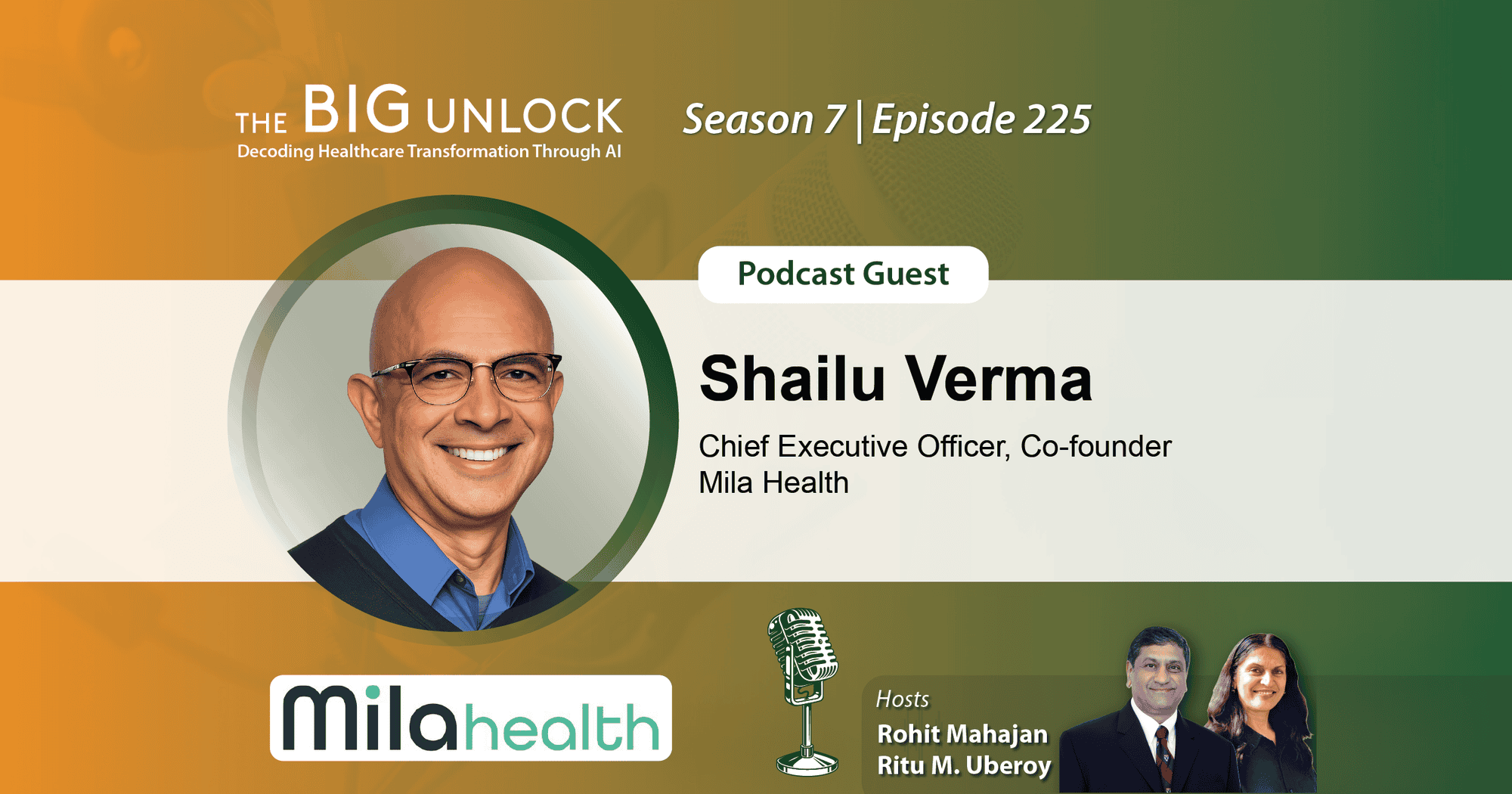
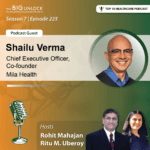
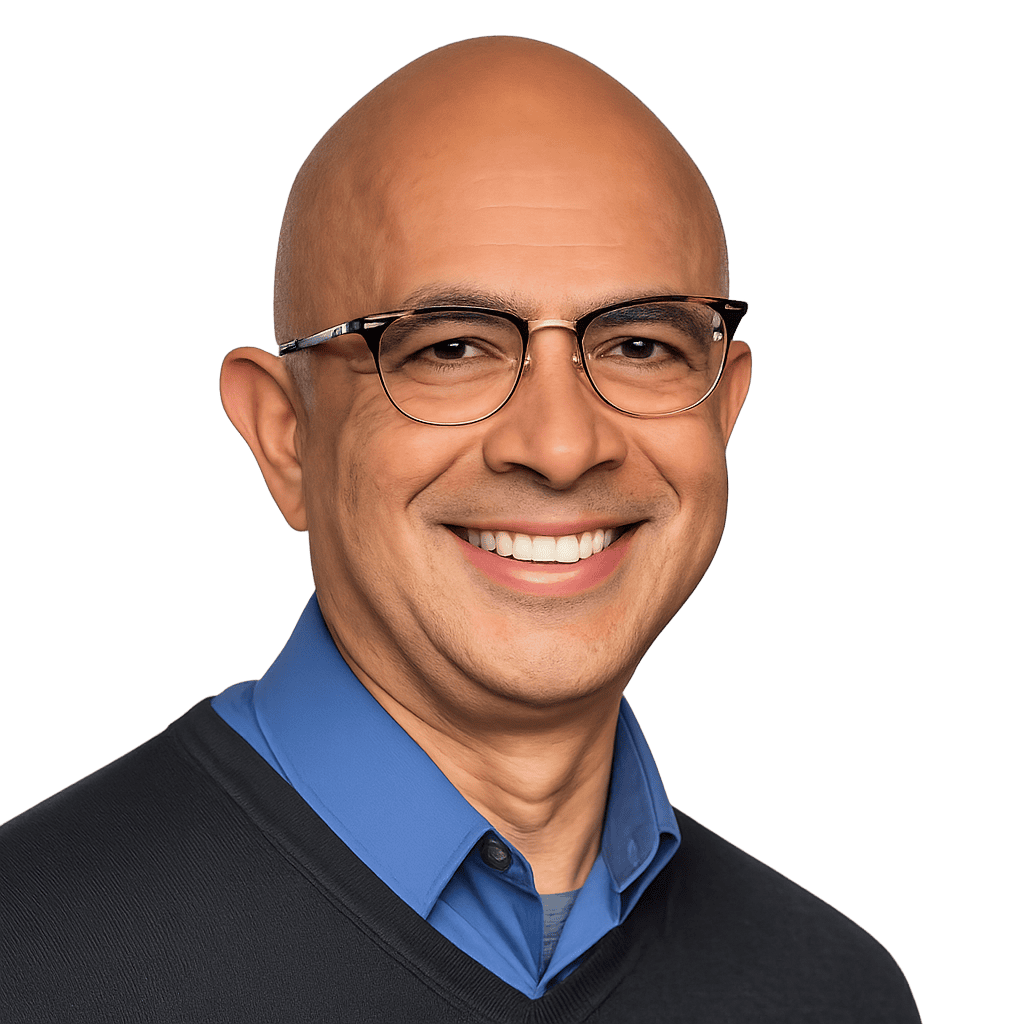
Episode 225 - Podcast with Shailu Verma, Chief Executive Officer, Co-founder, Mila Health
Moving Healthcare AI from Conversation to Execution

The Big Unlock
The Big Unlock
Episode 225 - Moving Healthcare AI from Conversation to Execution
Loading
/
Video video

In this episode, Shailu Verma, CEO and Co-founder of Mila Health, explores how healthcare AI is moving beyond patient engagement and conversational tools toward AI agents that execute care coordination workflows. He explains that many critical tasks across the patient journey remain manual, creating an opportunity for AI to improve access, engagement, operational efficiency, and outcomes.

Shailu emphasizes that scaling AI requires more than another point solution. AI must integrate seamlessly into existing clinical technology, remain configurable and governable, deliver consistent responses, and bring humans into the loop when needed. He sees LLMs becoming increasingly commoditized, making the last mile of execution, governance, and workflow integration critical differentiators.

Shailu urges healthcare leaders to start with measurable problems where AI can demonstrate real ROI. His message is clear: move AI from conversation to execution, automate manual coordination, and focus on getting meaningful work done. Take a listen.

About Our Guest

Shailu Verma is the Chief Executive Officer and Co-founder of Mila Health Inc. He has a track record of building businesses in healthcare and technology. He was the Chief Product Officer of United Health Group's Strategy and Innovation group, where he developed early versions of patient conversational agents to enhance care plan adherence. He led mylevel2.com, where these innovations drove consistent improvement in patient outcomes and reduced medical loss ratio. Prior to UHG, Shailu led product at Amazon Web Services' computer vision, databases, and storage services, where he launched 30+ services reaching millions of customers. Shailu was also President and Co-Founder of Lanworth, which pioneered the use of big data, including real-time satellite forecasting, across financial, commodity, bio-fuel, and natural resources markets, before its acquisition by Thomson Reuters in 2011.


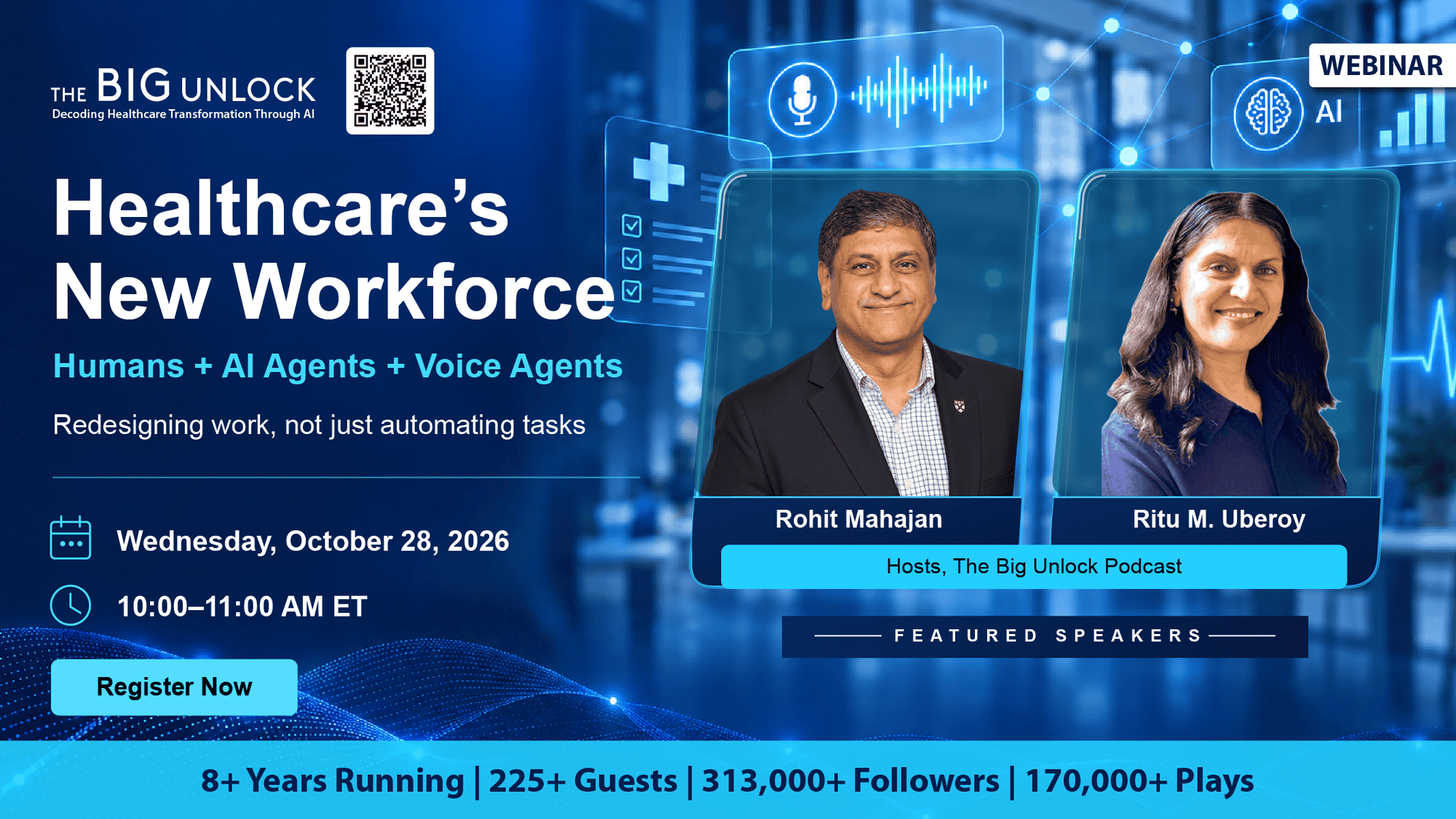
Ritu: Hi, listeners. Welcome to Season Seven of the Big Unlock Podcast. My name is Ritu M Uberoy, and I’m managing partner at Damo Consulting and your host today along with Rohit. Today I’m delighted to welcome Shailu Verma, CEO and co-founder of Mila Health. Shailu has built technology businesses at the intersection of healthcare and AI, serving as Chief Product Officer for UnitedHealth Group’s Strategy and Innovation, leading product at Amazon Web Services, and previously co-founding Landwords, which was acquired by Reuters. At Mila Health, he’s focused on one of healthcare’s biggest operational challenges: how to use AI agents embedded directly into clinical workflows to automate care coordination and improve patient engagement. We are really looking forward to an engaging conversation today. I’ll hand it over to Rohit for a short introduction, and then it’s all yours, Shailu. Thank you for joining us.

Rohit: Thank you, Ritu. I’m Rohit Mahajan, co-host of the Big Unlock Podcast and CEO of Damo Consulting. Very happy to have you on the podcast, Shailu. Over to you for your intro.

Shailu: Thank you, Rohit and Ritu. It’s a pleasure to be here. I’m Shailu Verma, CEO and co-founder of Mila Health. Prior to founding Mila, I worked briefly as a consultant at McKinsey, then started my first company in the computer vision space, which was acquired by Thomson Reuters. I went on to join the AWS AI computer vision team in 2016, building some of the first machine learning and AI APIs that came out of AWS, and then led the machine learning team at UnitedHealth Group. Healthcare has been a deep passion — my wife is a physician, I have two daughters, one in medical school and one working toward getting in. Getting to apply technology in healthcare has been a dream, and that’s how Mila Health was founded.

Ritu: Most of the healthcare industry still thinks of patient engagement as reminders and messaging — more apps that patients have to use. But you’ve argued that the real opportunity is AI-driven care coordination that actually completes clinical workflows and helps the patient. What does that shift look like in practice, and why is it so much more impactful than traditional outreach? And this wouldn’t have been possible two or three years ago — but now, with AI, we finally have the tools. What does Mila Health see as the real opportunity here?

Shailu: Let me go a little deeper into the problem. Healthcare organizations have patient engagement tools, EMRs, and many different software systems that they’ve invested in over time, all connected in a complex web. But each platform follows its swim lane very narrowly — patient engagement does reminders, EMRs handle records, payment systems handle billing. The aspect of actually taking care of a patient through their care journey is still done mostly manually. Reaching out to bring someone in for an annual wellness visit, preparing them for a procedure like a colonoscopy, guiding them on medications and diet, following up afterward to determine whether they need another procedure in five or ten years — all of that is still largely manual work. It’s a $334 billion problem. Connecting these complex systems and closing the gaps in patient care was a hard problem a few years ago. Now, with large language models, we have the opportunity to reduce that enormous manual effort in giving patients access to care and coordinating care after appointments. That is Mila’s mission — and to answer your question directly, while patient engagement tools address reminders, there are still many gaps in full care coordination, and that’s what Mila is solving for.

Ritu: You’ve said that organizations moving fastest with AI are not just buying another point solution — they’re embedding intelligence into the systems clinicians already use. Why is that distinction so important, and what have you learned from driving adoption inside health systems? How do you get them to adopt yet another solution when they already have a whole range of apps and software?

Shailu: To automate the vast majority of patient care journeys that are done manually, and to make it easy for our customers, we knew we had to build systems that get embedded into existing software. We took inspiration from companies like AWS, Stripe, and Twilio — they have APIs that get embedded into an existing stack and are easily configurable. A health system shouldn’t have to reconnect Mila to their EMR; it should come embedded and connected through APIs. We built Mila to be completely embedded — you can turn it on in days or weeks rather than months of complex integration. That makes it part of an existing solution rather than another point solution. Point solutions have two problems: implementation time, and they become yet another swim lane. We want to be the interconnectivity between swim lanes, not create a new one.  We built Mila as a set of APIs that any existing software system can adopt to automate across other systems. To give you a concrete example: we are live in over three hundred dental organizations in the US. Each has an EMR, a practice management system, a payment system, and an insurance verification system. Our APIs are embedded in the practice management system those organizations already use. To adopt AI for care coordination, all they have to do is flip a switch in their existing system and say, “I want AI to reach out to patients who haven’t had their cleaning in the last year.” No separate EMR integration, no practice management integration, no telephony integration required — it’s already built in because the APIs are embedded in the stack. That’s how an API-enabled, easily configurable solution scales effectively and makes it easy for customers to adopt.

Ritu: We’ve heard repeatedly from C-suite leaders that healthcare has no shortage of impressive AI pilots, but very few reach enterprise scale. You’ve described Mila now supporting hundreds of organizations because of ease of integration. What were some of the other key architectural, clinical, or organizational decisions that enabled you to move beyond pilots to real operational deployment?

Shailu: Our enterprise scale has happened primarily by making it simple for organizations to adopt — because it’s embedded in their software stack and almost invisible, the way Twilio is invisible in software today. And we address problems that are critical to their immediate needs. Take the dental organizations I mentioned — they’re short-staffed, unable to consistently reach their patient panel or follow up effectively after care. Many calls go unanswered, hit answering machines, or come in over weekends when patients need help immediately. We embedded Mila into the practice management stack they already use and solved the real problem: answering patient questions 24/7. Patients can call any time, change or create appointments, ask questions. We also built in a human-in-the-loop mechanism — when Mila can’t answer, a human steps in. That makes it a safe, easily implemented solution, and that’s what enables enterprise scale versus ongoing pilots where you have to prove things over and over. The formula is simple: make it simple, solve real problems, and bring a human in the loop when needed.

Rohit: As you scaled the business, what were some of the core challenges you faced — both business and technical — especially given the wide variety of practices you work with, from small to large? How do you handle the integrations?

Shailu: Building a startup is hard, and building one in healthcare is even more complex. The challenges are mostly universal startup challenges — get more customers, get more funding, build the product, keep the team motivated. Getting that virtuous cycle moving is the core of the startup journey. On the technical side, three tenets that we established early have been foundational. The first was to build as an API-first product — white-labeled, easily adopted by any software system, easily configured. Not a point solution. The second was configurability. Every practice, small or large, has its own rules — their own three-inch binder of processes. Mila needs to adopt that binder for each office and adapt accordingly. The third was safety and governability. Mila must be consistent — if a patient asks the same question five different ways, Mila should give the same answer each time. It should be safe. And a health system of any size should be able to govern it and understand why Mila said what it said. We established these three tenets before we wrote a single line of code, and they have held true to where we are today. That is one of the key reasons we’ve achieved the penetration and enterprise scale we have — it makes adoption easier, governance easier, and change management easier for our customers.

Rohit: What are some of the new things you’re working on? Products in SaaS are always evolving based on customer feedback. What’s bubbling up to the top? And I’m curious about the fast-changing LLM landscape — with Chinese models emerging, cost structures shifting. How do you navigate that?

Shailu: There’s a common thread to both questions. On the technical side, we’ve built a neurosymbolic graph that sits on top of large language models. We are LLM-agnostic — we swap models regularly depending on the task, optimizing for cost and efficacy. Our thesis has always been that in healthcare, you cannot let an LLM use a stochastic bag of words to answer a patient’s question. The health system needs to be able to configure and control what Mila says, and there needs to be explainability for why Mila said what it said. With that architecture, we welcome the changing landscape — foundational models getting better and cheaper. Token costs have already come down a hundredfold, and we think they’ll come down another hundredfold. But the last-mile problem of governance, consistency, and configuration remains, and that’s where Mila has innovated. That’s also where our ongoing development is focused: moving from conversation to autonomous execution of tasks. It’s one thing to have a ChatGPT-style back-and-forth. What matters for our customers is execution. We’re working with a large payer right now where we’re calling Medicare Advantage members to schedule their first annual wellness visit appointment. Previously, the payer would spend three months preparing with a call center and achieve an outreach rate of fourteen to eighteen percent at a cost of twelve to fifteen dollars per patient. With Mila, we’ve reduced startup time from three months to six weeks, increased the response rate from fifteen to eighteen percent to over fifty percent, and reduced cost per outreach to one-fifth of what it was — all while having a conversation with the patient and actually executing the appointment scheduling. That last-mile focus on efficiency and outcomes is where we’re doubling down.

Ritu: Many CEOs and C-suite leaders are feeling pressure to do something with AI but are unsure where to begin. Based on what you’ve seen across your customers, what’s the biggest misconception about deploying AI in healthcare production today? And where would you recommend they start to generate real, measurable ROI?

Shailu: The place where I’ve seen success happen most consistently is where AI solves a revenue problem or a patient intake problem. Every provider in a health system has thousands of patients in their panel. A GI doctor may have twenty thousand; a primary care physician three to five thousand. If you ask almost any of them, they’ll say forty to sixty percent of their patients haven’t been seen often enough or haven’t completed things like their annual wellness visit. The problem is twofold: patients aren’t being seen, and health systems have quality and prevention metrics — colonoscopy screening rates, cancer screening rates, annual wellness visit rates — that they need to hit. And of course, each visit generates revenue. We’ve seen real success when we address the simple problem of reaching out to this disconnected patient population, activating them, and scheduling their appointment on a single outreach call. That solves the metrics problem, addresses the patient care gap, and generates meaningful revenue. A concern I hear from leaders is: what will patients think of an AI agent calling them? We’ve now done this millions of times. Roughly three to four percent of patients say they don’t want to speak with an AI — in which case, a human steps in. Some hang up. But the vast majority, ninety to ninety-five percent, are genuinely happy to hear from their care team and learn they can schedule a visit right then on that call. That is real change. And once they’re back in the system, everything else follows naturally — follow-up care, ongoing coordination. That frictionless starting point is the most powerful place to begin.

Rohit: Any thoughts about the future or closing remarks for the audience?

Shailu: Watch for the conversational part of AI to move from conversation to execution — to actually getting work done. That’s super important for Mila, but it should be equally important for healthcare leaders trying to implement AI effectively. And people should not be integration layers. The vast majority of the manual work happening today is integration work — verifying insurance, closing scheduling gaps, following up on outstanding items. These are simple gaps that AI can close. We don’t need humans calling in to update an insurance record. Let’s start simple, focus on execution, and use the tools we have. It isn’t rocket science. We’ll solve bigger problems over time, but these easy wins are the right place to begin.

Rohit: Great thoughts, Shailu. Thank you for joining the podcast. Over to you, Ritu, for closing.

Ritu: Thank you, Shailu. It’s been an absolute pleasure. Thank you for sharing your insights, and I hope our listeners take away a great deal from today’s conversation.

Shailu: My pleasure. Thank you for having me.

Subscribe to our podcast series at https://thebigunlock.com/ and write us at info@thebigunlock.com    

Disclaimer: This Q&A has been derived from the podcast transcript and has been edited for readability and clarity.
 

About the Hosts

Rohit Mahajan is an entrepreneur and a leader in the information technology and software industry. His focus lies in the field of artificial intelligence and digital transformation. He has also written a book on Quantum Care, A Deep Dive into AI for Health Delivery and Research that has been published and has been trending #1 in several categories on Amazon.

Rohit is skilled in business and IT  strategy, M&A, Sales & Marketing and Global Delivery. He holds a bachelor’s degree in Electronics and Communications Engineering, is a  Wharton School Fellow and a graduate from the Harvard Business School. 

Rohit is the CEO of Damo, Managing Partner and CEO of BigRio, the President at Citadel Discovery, Advisor at CarTwin, Managing Partner at C2R Tech, and Founder at BetterLungs. He has completed executive education programs in AI in Business and Healthcare from MIT Sloan, MIT CSAIL and Harvard School of Public Health. He has completed  the Global Healthcare Leaders Program from Harvard Medical School.

Ritu M. Uberoy is a healthcare AI strategist, technology executive, educator, and author dedicated to advancing the responsible adoption of Artificial Intelligence across healthcare delivery, digital health, and life sciences. With more than twenty-five years of leadership experience spanning the United States and India, she is recognized for helping healthcare organizations move beyond experimentation to achieve scalable clinical, operational, and business transformation through AI.

She leads AI innovation initiatives, including the AI Center of Excellence at BigRio, where she works with health systems, healthcare technology companies, and life sciences organizations to operationalize Generative and Agentic AI solutions responsibly. Her work focuses on aligning AI innovation with clinical workflows, governance frameworks, workforce readiness, and patient trust—ensuring technology augments human judgment in high-consequence healthcare environments.

Ritu is the co-author of Generative AI: Unlocking the Next Chapter in Healthcare, a practical guide for healthcare executives navigating enterprise AI adoption. She also hosts The Big Unlock podcast, engaging global healthcare leaders on AI transformation and digital innovation. An active educator and speaker, she conducts executive workshops and participates in global forums like HIMSS, ViVE, Women in Tech, AI-Powered Women, RAISE, and more, shaping the future of AI-driven healthcare. Ritu holds advanced degrees in Computer Science and completed specialized AI programs at Harvard and MIT.

About the Legend

Paddy was the co-author of Healthcare Digital Transformation – How Consumerism, Technology and Pandemic are Accelerating the Future (Taylor &  Francis, Aug 2020), along with Edward W. Marx. Paddy was also the author of the best-selling book The Big Unlock – Harnessing Data and Growing Digital Health Businesses in a Value-based Care Era (Archway Publishing, 2017). He was the host of the highly subscribed The Big Unlock podcast on digital transformation in healthcare featuring C-level executives from the healthcare and technology sectors. He was widely published and had a by-lined column in CIO Magazine and other respected industry publications.

AI Can Augment Clinical Judgment Without Replacing It

Season 7

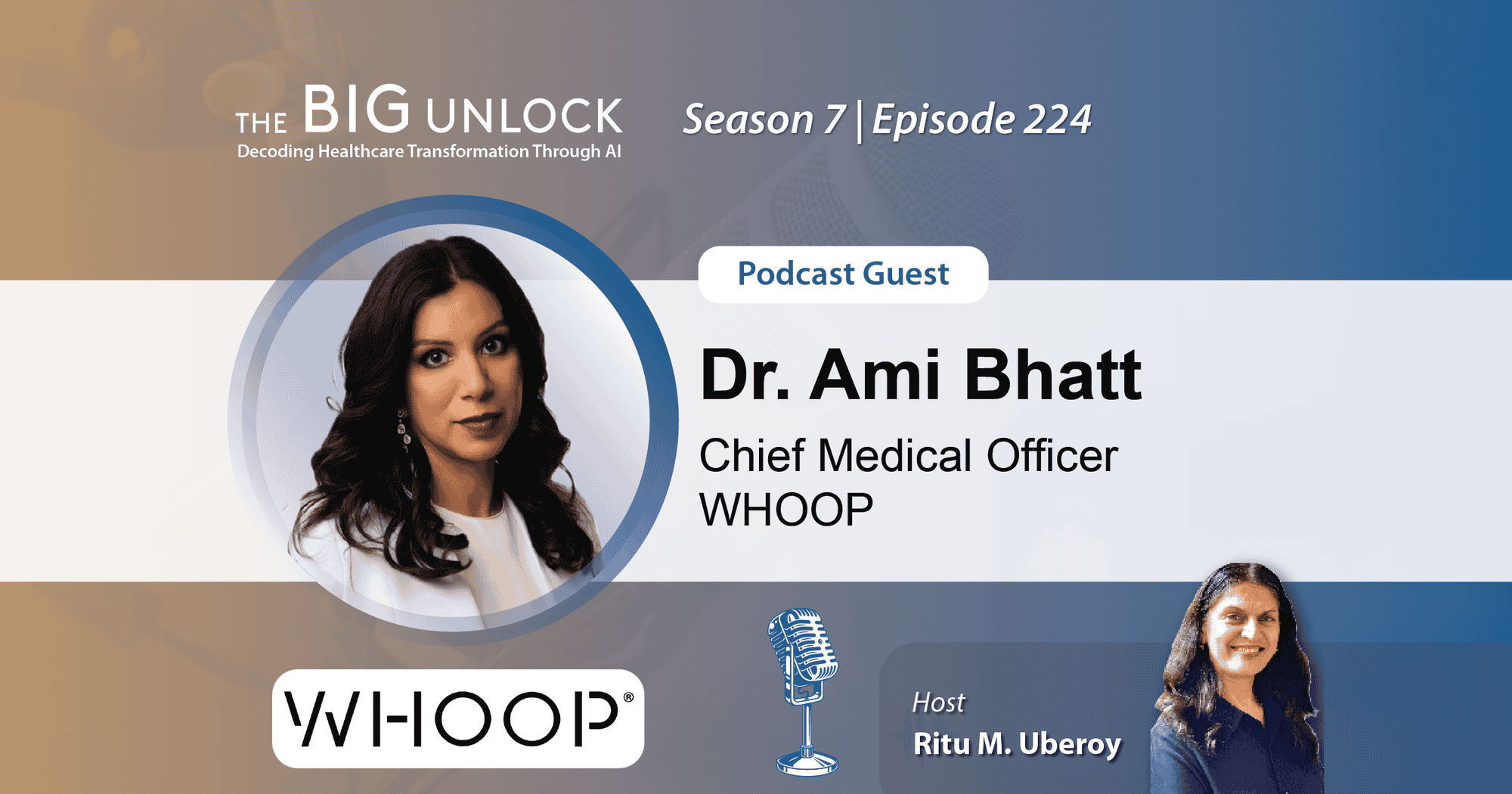
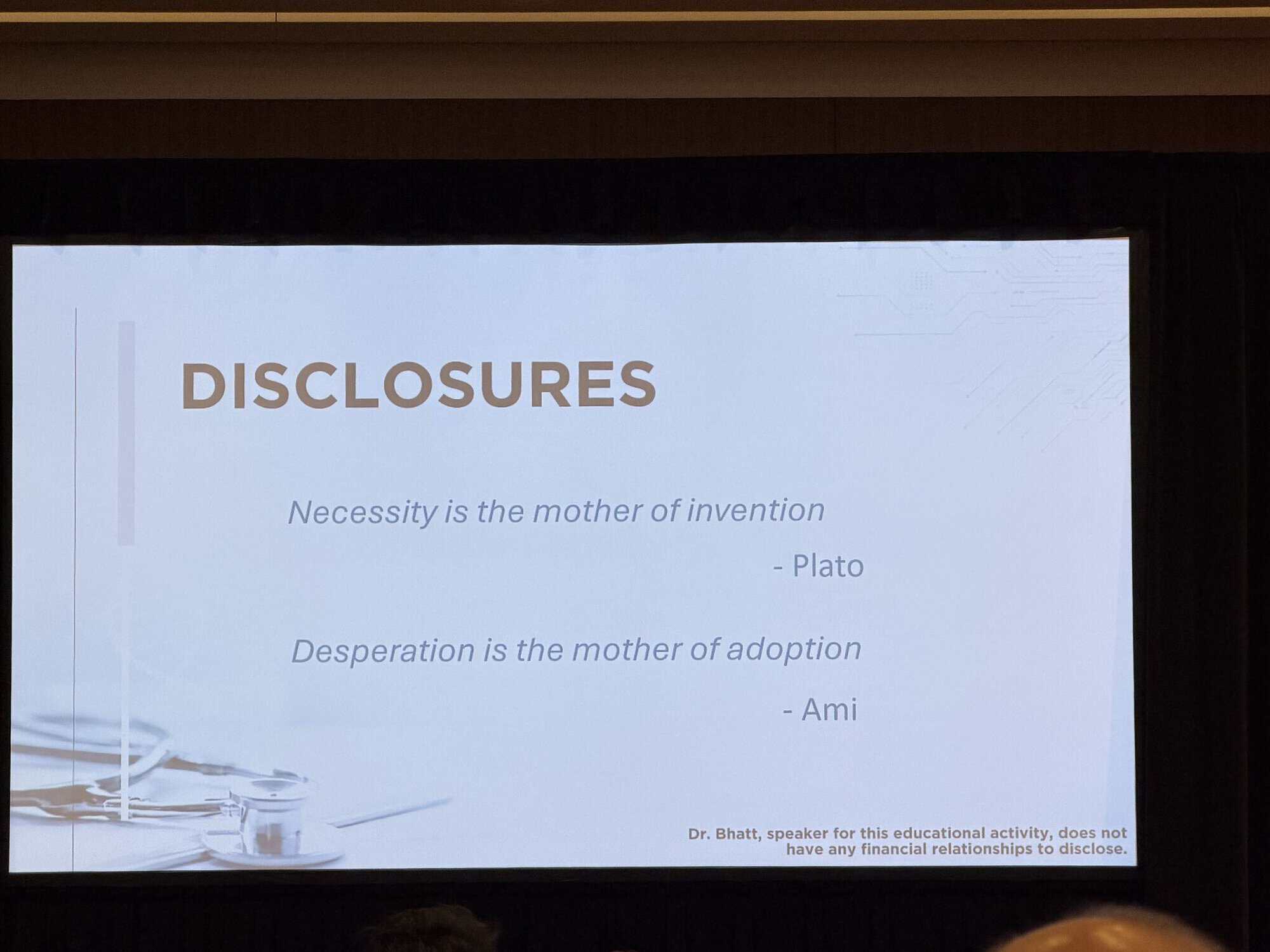
Episode 224 - Podcast with Dr. Ami Bhatt, Chief Medical Officer, WHOOP
AI Can Augment Clinical Judgment Without Replacing It

The Big Unlock
The Big Unlock
Episode 224 - AI Can Augment Clinical Judgment Without Replacing It
Loading
/
Video video

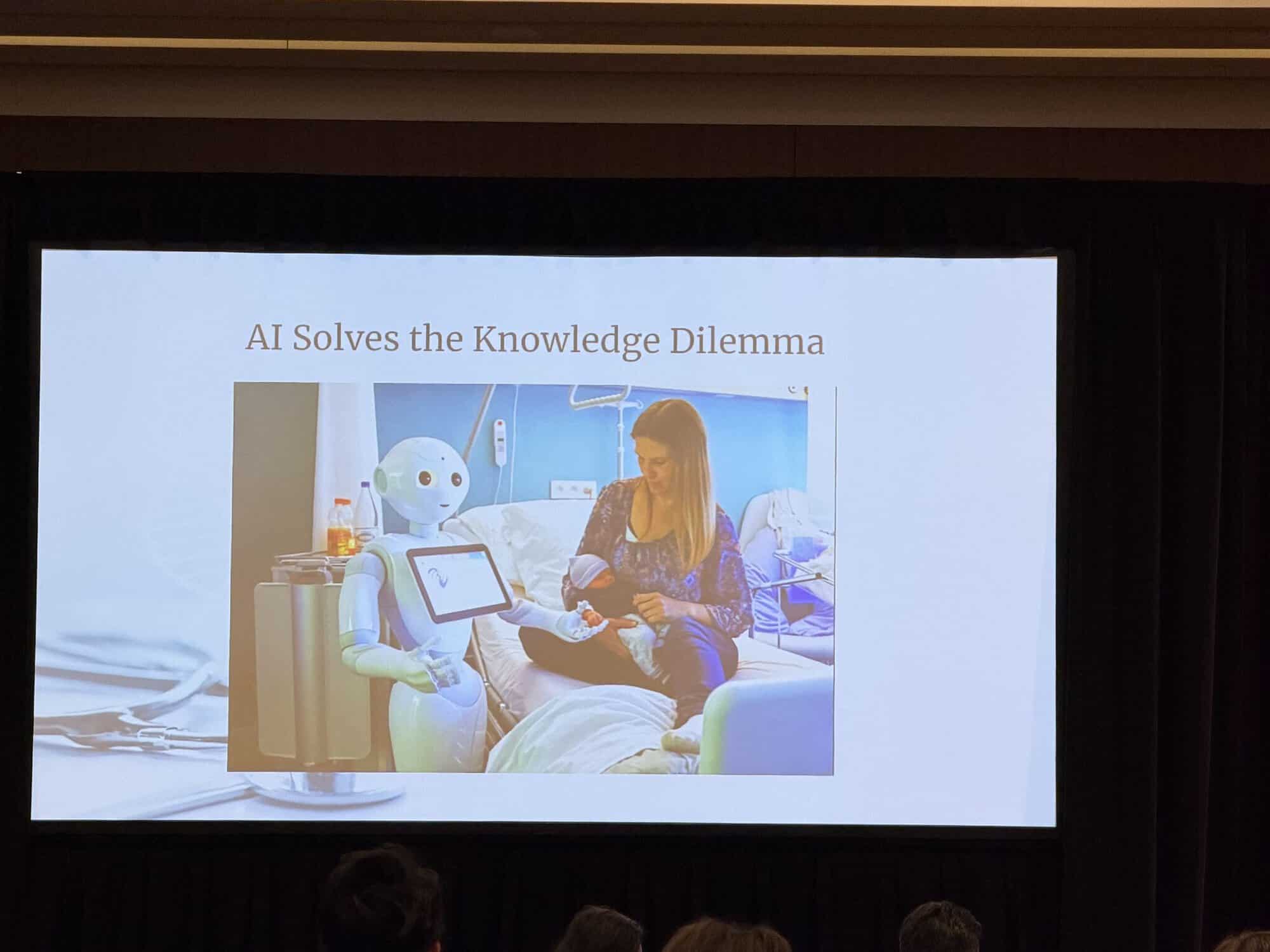
In this episode, Dr. Ami Bhatt, Chief Medical Officer at WHOOP and former Chair of the FDA Digital Health Advisory Committee, explores how healthcare can embrace AI without losing the clinical judgment, human connection, and context essential to patient care. She sees AI as a powerful source of compute that can surface knowledge, identify patterns, and help clinicians navigate growing volumes of health data, while clinical acumen remains central to decision-making.

Dr. Bhatt emphasizes that digital health and Agentic AI must start with the patient, incorporate individual preferences, and establish clear guardrails for when human intervention is required. She also highlights wearables as an important bridge between community-based monitoring and clinical care.

Dr. Bhatt highlights the need for post-deployment monitoring and real-world evidence as AI systems continuously evolve, and calls for closer collaboration among patients, clinicians, technology companies, and regulators. She urges healthcare leaders to prepare for constant technological change, develop stronger digital infrastructure, and focus innovation on unmet patient needs rather than technology for its own sake. Take a listen.

This episode was recorded in July 2026. Dr. Bhatt is now Chief Medical Officer at WHOOP.

About Our Guest

Dr. Ami Bhatt is Chief Medical Officer at WHOOP, a role that places her at the center of how continuous health data earns clinical trust and reaches patients. She served as the inaugural Chair of the FDA Digital Health Advisory Committee and previously as Chief Innovation Officer at the American College of Cardiology. Before that, as Director of Outpatient Cardiology, TeleCardiology, and Adult Congenital Heart Disease at Massachusetts General Hospital and a Harvard and Yale-trained cardiologist, Dr. Bhatt spent years inside the systems that deliver care, which is precisely why she understands where they break.

She evaluates innovation by its outcomes, asking not whether a tool is technically capable, but whether it works for the clinician using it and the patient depending on it. Her work spans AI governance, digital health strategy, health equity, and the policy frameworks that determine which innovations actually get implemented.


Ritu: Hello, listeners. Welcome to Season Seven of the Big Unlock Podcast. My name is Ritu Uberoy, and I’m managing partner at Damo Consulting and your host today. We are absolutely thrilled to welcome Dr. Ami Bhatt to our podcast. Dr. Bhatt is a cardiologist and the Chief Innovation Officer at the American College of Cardiology, and Chair of the FDA Digital Health Advisory Committee — two roles that place her at the center of how healthcare institutions adopt, govern, and scale technology. A Harvard and Yale-trained cardiologist, formerly at Mass General, Dr. Bhatt has spent her career inside the systems that deliver care, which is precisely why she understands where and why they break. Her work spans AI governance, digital health strategy, and health equity, and we could not be more thrilled to have her here. Welcome, Dr. Bhatt.

Dr. Bhatt: Thank you so much for having me. I really appreciate it.

Ritu: We like to ask our guests about their origin story — how they got into medicine, healthcare, and technology. Would you like to share something?

Dr. Bhatt: Like every first-generation kid in the US, I liked science, I liked people, I went into medicine — that’s what I always thought my story was. It wasn’t until I took the time to think a little deeper that I realized what I love about medicine. In no other profession do you get entered that deeply into somebody’s life within fifteen minutes of meeting them — not just their health, but their family, their hopes, what they want. That connection has been the driving force behind why I became a clinician and why I stayed one for so many years.  I practice adult congenital heart disease — a young population. Kids who grew up and came to me at 16 or 18, and those teenagers became my patients into their 20s, 30s, 40s, and 50s. They were living with lifelong disease. Coming to the hospital wasn’t a one-time thing — it was a reminder of a medicalized childhood. I had patients who said the smell of the hospital made them anxious. So about seven years before COVID, I started doing telemedicine for my patients. At the time, not many people were doing it, and colleagues would ask, “Dr. Bhatt, how are you going to take care of these complicated patients without touching them?” I started exploring what digital technologies I needed — digital stethoscopes, handheld ultrasound, image sharing — and how to teach patients to feel empowered and understand what they needed to do.  I had a patient once up in Maine whose local doctor said something was wrong with his heart because he had passed out at softball. He said, “No, I tripped — and my heart always sounds like that.” He played a recording of his heart murmur that I had recorded in 2014 with one of the first digital stethoscopes. I had told him: “If anyone ever tells you this is a problem, you play that recording.” That patient felt genuinely empowered. That model — staying at home, taking visits remotely, teaching local providers how to care for them, while knowing I was there when they needed me — carried with me through outpatient cardiology at Mass General, through COVID, and into how I think about innovation today. How do we empower patients in the community with wearables and other tools to understand their own baseline, and when a trigger or a change appears, know it’s time to escalate to clinical care? That’s how I ended up where I am today.

Ritu: Thank you, Dr. Bhatt. Starting telecardiology seven years before COVID — you were truly a pioneer. I was reading your work, and you’ve written that clinical acumen supersedes AI every time. That’s a powerful statement in this era when AI models are increasingly capable. You’ve also said that clinicians are not short on intelligence or judgment. So how do we build healthcare systems that benefit from AI while ensuring clinicians don’t lose the observational skills, intuition, and pattern recognition they’ve spent years developing?

Dr. Bhatt: Humans are short on compute power — that’s what we are. The amount of information available to us now far exceeds what the human brain can utilize. When you’re sitting in front of me, I have access to not just your health records but your personal and family history, your preferences, your social determinants, your wearable data, your labs, your imaging, the research on the multiple diseases you may have by age 60, and novel findings that haven’t yet made it into the guidelines. How can I process all of that in twenty minutes? I cannot. That is the role of AI: to surface knowledge, to surface information, and to use compute power to see relationships and trends that would take us a very long time to identify. Back in the day, there was less information and more time. One chapter about your disease. Just the patient in front of you. No EHR. An hour to ask the same question again and get a full story. Nowadays, who has an hour with a patient? We understand why colleagues go into concierge medicine — because that intimate connection is the magic of caring for patients. In its absence, we need compute power to get there faster, and then use that information and those insights to ask: does this fit this patient? Let me use my clinical acumen to decide what happens next. That’s the goal.  I always tell my fellows: you have to use AI until your brain hurts. A recent paper I read yesterday showed that knowledge workers actually spend more time, not less, because of AI — asking questions, interacting, refining. Most of us have accepted that AI is here. We see the numbers. But now the challenge is understanding when to use it. When should you deep dive with it? When does using it take time away from a patient conversation? We haven’t fully studied that yet. At the American College of Cardiology, one of our goals is to have our own members using AI for question-and-answer tasks and understand: how do they know when they’re getting better results? How can they recognize when they’re being led astray? We are at the very beginning of understanding how humans and AI will interact in clinical medicine.

Ritu: Context comes up repeatedly in your recent work. You’ve argued that medicine is not just about recognizing patterns but about understanding the patient’s lived experience and the clinician’s accumulated experience. As healthcare moves toward increasingly autonomous AI systems, how do we ensure that context becomes a design requirement rather than an afterthought?

Dr. Bhatt: The first thing I think about is starting with the patient. The patient is not given the level of respect they deserve in this equation right now — though we’re moving toward it. Rather than me trying to figure out your social determinants, why not have you bring that information directly to me? How do we capture a patient’s feelings, tendencies, preferences, and ways of engaging with healthcare? What is best for this individual, and how should they be engaged? We ask how a doctor likes their notes written, but we don’t ask how a patient likes to be engaged. We do a little of it — do you prefer telehealth or not? — but there’s so much more depth to that question. We have to start by engaging patients and helping them understand how they want to interact with the system, express it, quantify it, and then communicate it so the system can respond. That’s number one.  Number two is around agentic AI, and it’s actually one reason agentic AI can sometimes be better — because I can always tell my AI: say this at an eighth-grade level, I don’t like that tone, say it differently. I can’t say that to a colleague sitting across from me. My patients actually did this all the time. Young patients in their 20s and 30s would say, “I didn’t understand that, Dr. Bhatt. Can you draw it again? Your drawing isn’t very good — can we try something else?” Honest, direct feedback. I want that for every patient. Agentic AI can provide that, sometimes better than a rushed clinician. Any clinician given enough time will do all of that — we’re just not given the time.  The second thing in agentic systems is where the clinician places the guardrails. I wrote about this in my most recent Substack: in cardiology, there are specific places where AI should not make a decision without a human. We have to define those hard stops for the companies or systems implementing this. But beyond that, as agentic AI is being built, we should be able to give our input case by case. I was just talking this morning about a company called UpDoc that is trying to take clinician input as agentic AI is built and let individual doctors set their own guardrails — telling the system what they’re comfortable with and not comfortable with. That’s a lot to manage, but I think those are the right things to study: how to help agentic AI make the right decision at the right time, with the right guardrails, so physicians feel in charge — just as we want patients to feel in charge of their own process.

Ritu: You’re also challenging the industry to think beyond whether AI can generate the answer, and asking what happens after that answer reaches the patient. As health systems deploy more AI-generated insights, do you think the next frontier is actually communication — helping patients understand, trust, and act on these recommendations?

Dr. Bhatt: It’s already communication. Look at the wearable industry. The reason people across all socioeconomic levels, educational backgrounds, and geographies are increasingly wearing some form of wearable is that they want to engage, learn, and find data about themselves. And the reason it works isn’t only that the person wants it — it’s that the systems these apps create are inherently engaging. They know how to make a patient feel empowered. That’s already happening. What I’m focused on is how we take that industry and bring it into the flow of clinical care — and back out on the other end. We lose people everywhere in clinical care. Technology companies have a responsibility to come with us on the whole journey: “I see a signal. We’re going to provide some care. Now they need hospital care. They’re back out — and you’re back in the system that caught you in the first place.” That’s what we’re trying to build.

Ritu: Speaking of agentic systems, tell us more about the ARPA-H Advocate initiative, because they’re using agents and agentic AI to do exactly what you’re describing — continuously monitoring and intervening. What are your thoughts on that program?

Dr. Bhatt: Haider Warraich is a friend — he’s a cardiologist here in Boston, a heart failure physician. With ARPA-H, you can apply with your own idea and say, “Can I have funding to make this happen?” And that’s what he did. What I like about this approach is that it’s a pure research approach. The goal is to prove that you can have an agentic system that works, that can risk-stratify, that knows where a human in the loop is necessary, and that can monitor what happens as it goes along. The key problem we have right now is: we implement something — digital health, AI — and then it’s out there, and we don’t know what will happen afterward, what will change. We don’t have an infrastructure for post-deployment monitoring. What I’m most excited about with Advocate is that we’re going to have concrete examples of what post-deployment monitoring looks like — how we sense trends and shifts, how we decide to iterate and adapt. That’s the piece we’ve been missing. How do we keep track of what’s happening after we deploy?

Ritu: Dr. Warraich was actually on our podcast a couple of weeks ago talking about ARPA-H and the Advocate program — a very interesting conversation. Tell us more about your work on the FDA Digital Health Advisory Committee. This comes up constantly in our conversations with CMIOs and CIOs — things are moving too fast for regulation to keep up. By the time you get FDA approval, the underlying model has already changed. How do you see this gap closing?

Dr. Bhatt: I have the utmost respect for my colleagues at the FDA who are there full time. As inaugural chair of the Digital Health Advisory Committee, one thing became very clear over those two years: there is a real need to convene patient groups, industry technologists, and clinicians together to understand how the FDA can create an infrastructure for care — not simply regulate or deregulate, which is where we tend to get stuck. We need to understand from all of those perspectives what guardrails are needed, what the technology companies need, and what fits the clinician’s workflow. That unsiloing is what’s happening at the FDA right now. You’ll find them at every table, in every room, maintaining their commitment to scientific rigor. FDA approval is the table stakes — it means your technology works. But we’re now thinking about what comes next: not just post-deployment monitoring, but a pre-control change plan. With a medical device like a valve, you can tell the FDA what’s in the pipeline. With AI, I don’t necessarily know what model changes are coming. So how do we use real-world evidence to understand where things are going and how they’re changing?  The FDA did allow some trend measurements and monitoring capabilities in the cardiometabolic space to proceed without formal approval, which was announced earlier this year. That creates real-world evidence about how quickly you can adapt from community signals — sick or not sick, at baseline or changing — and route patients into the clinical arena accordingly. Agentic systems can handle the lowest risk; high risk clearly needs a human; we’ll be in the middle ground for a while. I’ve learned that real-world evidence is essential. Everyone is now at the table, including the FDA, which I love. But we’ve never had a time when change itself is the constant — not just the technology, but the uptake, the expectations of the clinical network, and the demands of patients. All of that is changing simultaneously. All we can do is keep working together, look for real-world evidence, and wherever we can find data, value it and study it.

Ritu: Tell us a little more about the Elevate Leadership Program at Mass General — with everything moving so fast, clinicians need to be up to speed, but you’re all already so busy. How do you find the time?

Dr. Bhatt: About four years ago, a grateful patient family foundation was willing to give $3 million to Mass General Hospital to fund a new style of leadership course. The course I co-wrote with my colleague Eytan Shapira from MIT was designed for leadership-level clinicians — cohorts of fifteen — who were about to lead large groups of people. The longstanding problem in healthcare is that the better you do as a clinician and researcher, the more likely you are to receive an administrative or managerial role. Those skillsets don’t automatically overlap. They can, but they need to be taught. There have been many leadership programs for senior people, but I wrote this one because I saw the technology change coming — I had already been in it for ten years. COVID was the culmination of many of us in digital health saying for a decade: high-quality care in the community where people live, tech is coming and it’s going to come faster. We weren’t ready.  The course works on how you first evaluate yourself as a leader and understand the discomfort that comes with change — how to express and share that discomfort while still being seen as a leader, and how to look at what’s coming and identify the true unmet needs versus the shiny things that aren’t necessary right now. We’re also reversing a long-standing dynamic in academic medicine where clinicians kept industry at arm’s length. Now we’re saying: let’s talk about what technology you have, because if you don’t hear from me what I need and how it would fit, you’ll build something that doesn’t get used. Eighty-six percent of cardiovascular digital health and AI technologies that pass the FDA sit on the shelf — they never get deployed. Passing the FDA does not mean success.  The goal of Elevate is to create a community of leaders who lead not only with empathy but with an understanding that discomfort is constant — it’s not going away, and it’s because of constant change. I am here with you, respecting that, understanding the challenges, and helping find the right next step to move forward. That was my last project before I left MGH, and I’m really proud of it.

Ritu: What you said is so valuable — change is inevitable, and you really need to face it. Preparing people to sit with discomfort, to accept that they won’t know everything, but that as long as they keep learning they can navigate it.

Dr. Bhatt: That’s exactly right. And change is no longer in the future — it’s right now. If you run a practice today, technology is coming at you out of a fire hose, constantly. If you are a healthcare leader in the next decade, there will never be a moment where things feel stable. They will always be bubbling. You just have to decide: when am I doing things, and how will I act despite constant change?

Ritu: Thank you, Dr. Bhatt. Would you like to share any closing thoughts with our listeners?

Dr. Bhatt: The most important conversations happening right now are those where technology, clinicians, and patients are put in the same room to think about what the systems of care should actually look like. I would love for every listener — whether you’re a venture capitalist, a clinician, or a patient — to ask: what is the infrastructure for care in my world? Do we have one? Do we have guardrails? If not, who do I need to talk to in order to put something in place? We’ll keep working on this from the national level at the ACC and through the technology companies I work with, but I think each individual taking a moment to ask “is there an infrastructure, or is healthcare just hard because we don’t have the right one?” is powerful. The infrastructure we have was built in the 1970s, and that is not today’s healthcare. Look for infrastructure — it sounds boring, but it’s everything. And if people want to reach out, I’m Dr. Ami Bhatt on LinkedIn and Substack — I’m happy to talk and hear more ideas.

Ritu: Thank you so much, Dr. Bhatt. Lovely talking to you, and I’m sure our listeners will take a great deal away from this conversation.

Dr. Bhatt: Thank you for having me.

Subscribe to our podcast series at www.thebigunlock.com and write us at info@thebigunlock.com    

Disclaimer: This Q&A has been derived from the podcast transcript and has been edited for readability and clarity.
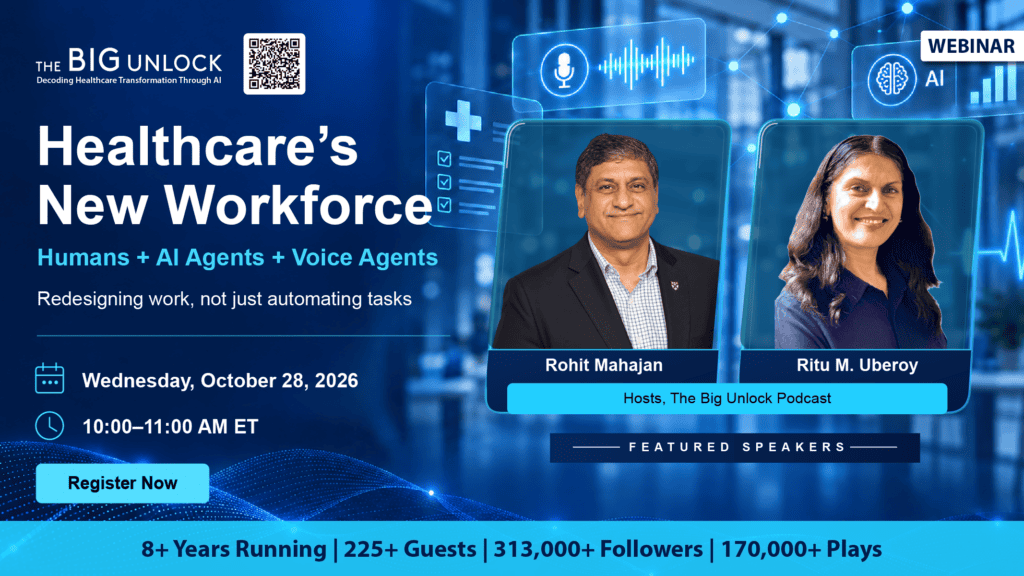
About the Host

Ritu M. Uberoy is a healthcare AI strategist, technology executive, educator, and author dedicated to advancing the responsible adoption of Artificial Intelligence across healthcare delivery, digital health, and life sciences. With more than twenty-five years of leadership experience spanning the United States and India, she is recognized for helping healthcare organizations move beyond experimentation to achieve scalable clinical, operational, and business transformation through AI.

She leads AI innovation initiatives, including the AI Center of Excellence at BigRio, where she works with health systems, healthcare technology companies, and life sciences organizations to operationalize Generative and Agentic AI solutions responsibly. Her work focuses on aligning AI innovation with clinical workflows, governance frameworks, workforce readiness, and patient trust—ensuring technology augments human judgment in high-consequence healthcare environments.
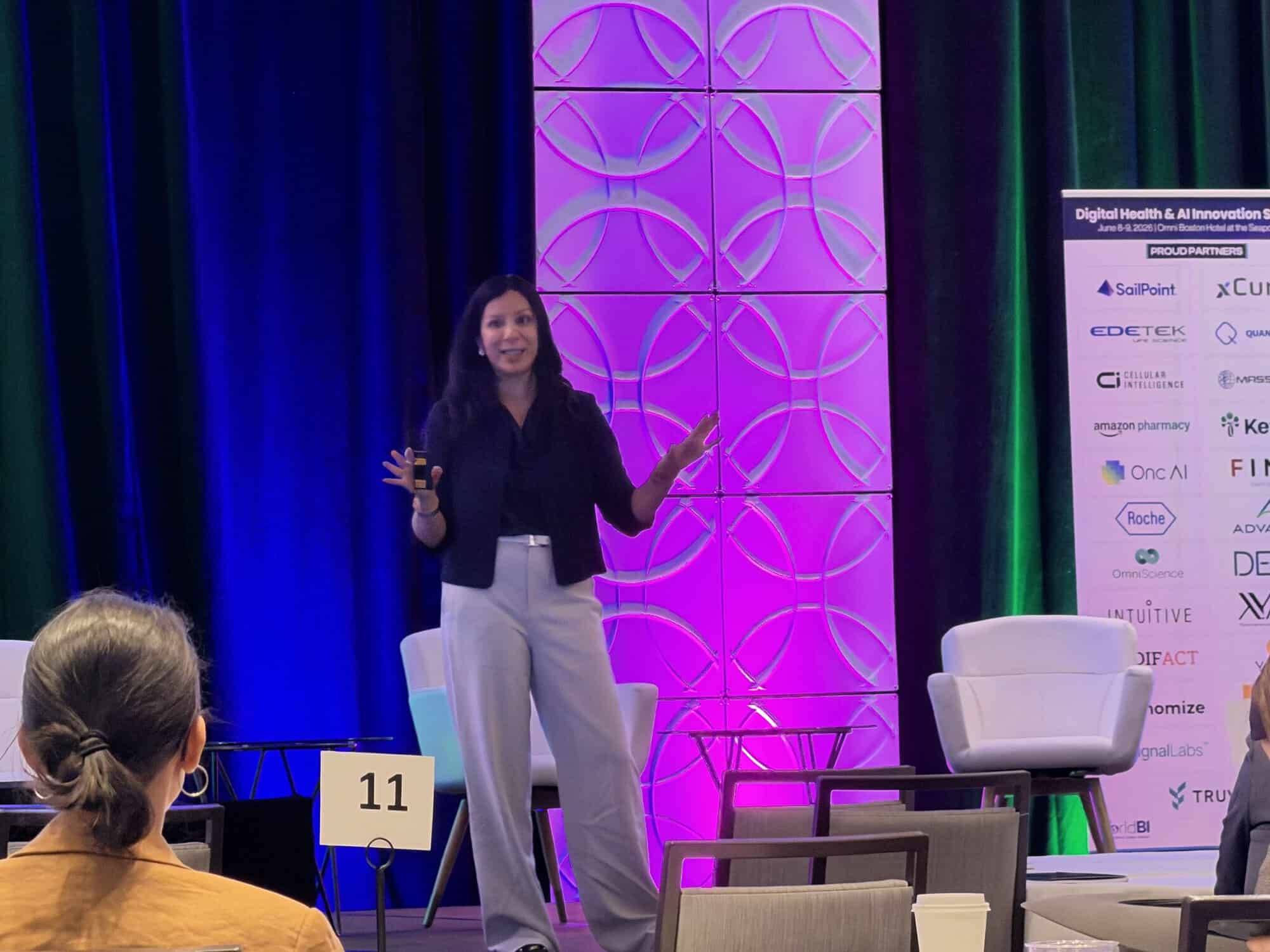
Ritu is the co-author of Generative AI: Unlocking the Next Chapter in Healthcare, a practical guide for healthcare executives navigating enterprise AI adoption. She also hosts The Big Unlock podcast, engaging global healthcare leaders on AI transformation and digital innovation. An active educator and speaker, she conducts executive workshops and participates in global forums like HIMSS, ViVE, Women in Tech, AI-Powered Women, RAISE, and more, shaping the future of AI-driven healthcare. Ritu holds advanced degrees in Computer Science and completed specialized AI programs at Harvard and MIT.

About the Legend

Paddy was the co-author of Healthcare Digital Transformation – How Consumerism, Technology and Pandemic are Accelerating the Future (Taylor &  Francis, Aug 2020), along with Edward W. Marx. Paddy was also the author of the best-selling book The Big Unlock – Harnessing Data and Growing Digital Health Businesses in a Value-based Care Era (Archway Publishing, 2017). He was the host of the highly subscribed The Big Unlock podcast on digital transformation in healthcare featuring C-level executives from the healthcare and technology sectors. He was widely published and had a by-lined column in CIO Magazine and other respected industry publications.

The Healthcare Digital Transformation Leader

Stay informed on the latest in digital health innovation and digital transformation.

The Healthcare Digital Transformation Leader

Stay informed on the latest in digital health innovation and digital transformation

The Healthcare Digital Transformation Leader

Stay informed on the latest in digital health innovation and digital transformation.